


Servier will pick up Ojemda, which received FDA approval in 2024 to treat pediatric glioma. The drug clocked sales of $155 million for Day One Biopharmaceuticals in 2025.

The FDA granted Johnson & Johnson a Commissioner’s National Priority Voucher in December 2025 after the combination of Darzalex and Tecvayli improved progression-free survival by 83%. The new approval is for second-line treatment of the blood cancer.

Follow along as BioSpace tracks job cuts and restructuring initiatives.

The alliance, which pairs Tenaya’s modality agnostic target identification and validation capabilities with Alnylam’s deep experience in RNA interference therapeutics, comes during a period of resurgence for the cardiovascular space.

Adam Urato, who is currently a vaccine advisor to the CDC, is closely associated with acting CDER director Tracy Beth Høeg and is a fellow skeptic of the use of selective serotonin reuptake inhibitors during pregnancy.

The timing of the partial hold is “odd,” according to analysts at Stifel, who noted that the preclinical data the FDA took issue with were filed in mid-2024.
FEATURED STORIES

A “significant number of patients” could see a cure for multiple myeloma within the next two decades, one expert told BioSpace. Here are five therapies that could change the treatment paradigm.

TrumpRX and DTC sales may expand prescription drug access, but they will not solve the affordability crisis by themselves.

Psychedelics are a “game changer” in depression care, according to William Blair, but the complicated treatment regimens mean they will likely be supplanted by more-traditional options once they become available.

UniQure’s Path for Huntington’s Gene Therapy Clouded by Ethical Questions as Potential Phase 3 Looms
While the FDA appears to be adamant that uniQure conduct a sham surgery–controlled Phase 3 trial before AMT-130 can be considered for approval, experts believe there is an alternate path forward for the therapy, perhaps even based on precedent from the recent drama surrounding Moderna’s mRNA flu vaccine.

Poplar Therapeutics is seeking a “step change” in the treatment of food allergy and other atopic conditions, with $95 million raised to date, including a $45 million series A extension that closed Tuesday.

Infrastructure and location have helped make Holly Springs a future hub for obesity drug production, with Amgen and Roche planning to manufacture GLP-1 therapies there to compete in the growing market.


LATEST PODCASTS

In this episode of Denatured, you’ll listen to Ram May-Ron, managing partner at FreeMind Group, and Ravi Kiron, managing director at Biopharma Strategy Advisors. We’ll be speaking about how to combine nondilutive funding and family office money into a unified strategy that gets companies through the drug development valley of death.

UniQure and REGENXBIO are both dealing with FDA setbacks for their respective gene therapies, as regulatory experts question the FDA’s decision-making processes; CBER director Vinay Prasad is under probe for allegedly fostering a toxic workplace; Sarepta CEO Doug Ingram is stepping down after several years of tumult at the top of the muscular dystrophy–focused company; and Eli Lilly again tops Novo Nordisk in a weight loss trial.

In this episode of Denatured, you’ll be listening to Indu Navar, CEO and founder of EverythingALS and Dr. Olga Uspenskaya, chief medical officer at VectorY Therapeutics. We’ll be speaking about patient-pharma collaborations accelerating trials and hope, advances in ALS biology understanding and biomarker-driven endpoints.





Subscribe to GenePool
Subscribe to BioSpace’s flagship publication including top headlines, special editions and life sciences’ most important breaking news
SPECIAL EDITIONS

The BioSpace team hit the ground running at the J.P. Morgan Healthcare Conference earlier this month to bring you the news from the streets of San Francisco.

BioSpace data show job postings live increased quarter over quarter, while layoffs fell year over year.

Recent breakthroughs and three decades of progress in treating Huntington’s disease
DEALS

-
 The funding comes weeks after TL1A blocker duvakitug maintained clinical remission rates above 50% in patients with ulcerative colitis and Crohn’s disease in a Phase 2b trial.
 -
 Sanofi will gain global exclusive rights over rovadicitinib, an oral JAK/ROCK blocker that has anti-inflammatory and anti-fibrotic effects.
 -
 While Boehringer Ingelheim hasn’t yet revealed what diseases it will go after, Sitryx’s oral drug candidate could potentially be disease-modifying for a variety of autoimmune and inflammatory conditions.
 -
 Pfizer will be responsible for all global clinical and regulatory activities for Beam Therapeutics’ liver-directed gene editor.
 -
 After its next-generation obesity asset CagriSema lost a head-to-head matchup with Eli Lilly’s Zepbound, Novo Nordisk is throwing more money into the obesity space, striking a deal with Vivtex to advance novel weight loss pills.


WEIGHT LOSS
-
 UniQure and REGENXBIO are both dealing with FDA setbacks for their respective gene therapies, as regulatory experts question the FDA’s decision-making processes; CBER director Vinay Prasad is under probe for allegedly fostering a toxic workplace; Sarepta CEO Doug Ingram is stepping down after several years of tumult at the top of the muscular dystrophy–focused company; and Eli Lilly again tops Novo Nordisk in a weight loss trial.
 -
 Merck’s Keytruda will soon lose exclusivity, just as weight-loss giants Eli Lilly and Novo Nordisk press in with their blockbuster GLP-1s.
-
 As Novo Nordisk continues to lose ground in the obesity market to rival Eli Lilly, the Danish company has started construction projects to establish the ex-Alkermes plant as a hub for supplying oral GLP-1 products to global markets.
 -
 On the FDA’s docket this month are two decisions pushed back from 2025, including one for a rare form of obesity and another for dry eye disease.
 -
 Novo Nordisk reported a loss in a head-to-head trial of CagriSema against Lilly’s Zepbound earlier this week. This time around, Lilly’s orforglipron bested Novo’s oral semaglutide in blood sugar control and weight reduction—albeit with a few extra discontinuations as compared to its rival.



POLICY

-
 The settlement, which requires Moderna to pay the plaintiffs $950 million upfront plus up to $1.3 billion in contingent commitments, is an outcome “better than feared,” according to analysts.
 -
 Here’s how drug developers can best approach interactions with the agency following last year’s seismic changes to its leadership, workforce and policies.
 -
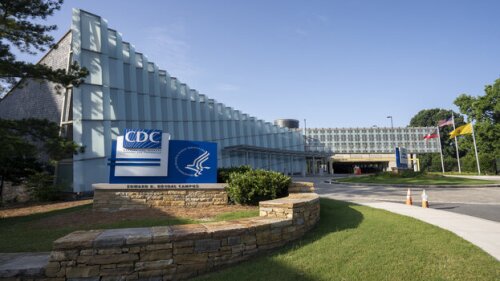 One of the two new members of the CDC’s Advisory Committee on Immunization Practices questioned the safety of COVID-19 vaccines before the Texas Senate in 2021.
 -
 The CDC’s changes threaten to cut vaccine sales for makers including Pfizer, Moderna, Merck and more, but a legal expert suspects affected manufacturers will stay on the sidelines rather than back a push to declare the revised schedule unlawful.
 -
 This week’s Capitol Hill meetings come on the heels of rejections of ultra-rare disease drugs developed by Biohaven and Saol Therapeutics. Physicians and patient groups implored the FDA to expedite these treatments.


In a competitive job market, how applicants present themselves in interviews is critical. Asking about promotions and expressing dislike for the work they’d be doing are just a few reasons hiring managers don’t extend job offers.

With leaner teams and tighter budgets, senior leaders can face tremendous strain as they juggle increased workloads and leadership responsibilities. In this column, Kaye/Bassman’s Michael Pietrack discusses how pressure builds and what can ease it.

Biopharma professionals need to understand today’s job market and how they can stand out to position themselves for success. Three talent acquisition and recruiting experts discussed these topics in a BioSpace webinar, from the importance of contract work to the value of an advocate.

This webinar provides a clear-eyed assessment of current hiring conditions across biopharma, exploring which roles and skills are in demand, where opportunities are emerging, and how hiring practices are evolving.

If workloads aren’t adjusted as needed, the company’s priorities are already compromised. Executive coach Angela Justice explores what happens when goals move forward without removing unnecessary work and what to do about it.

At some point in your research career, you may find yourself transitioning from academia to industry or vice versa. To best set yourself up for success, adapt your approach to the specific scientific culture where you work.
HOTBEDS


REPORTS

In this Employment Outlook report, BioSpace explores current workforce sentiment, job activity trends and the prospective job and hiring outlook for 2025, particularly as it compares to the previous year.


BioSpace’s third report on diversity, equity, inclusion and belonging in life sciences examines dramatic shifts in attitude around diversity initiatives.
CANCER

-
 A combination of Merck’s Keytruda and Pfizer’s Padcev could offer a chemotherapy-free treatment alternative for patients with muscle-invasive bladder cancer, even those eligible for cisplatin treatment.
 -
 Hernexeos is the second drug to secure an FDA approval under the agency’s priority voucher scheme, following in the footsteps of USAntibiotics’ Augmentin XR, which was granted the ticket in December 2025.
 -
 Last week, the FDA made its one pivotal trial policy official, sparking myriad questions from industry leaders, including around specific evidence required for the single study and why it hasn’t been implemented across all therapeutic areas before now.
 -
 Solstice Oncology will gain an exclusive worldwide license to Harbour BioMed’s porustobrt, an anti-CTLA-4 antibody currently being studied for melanoma, colorectal cancer and other malignancies in China.
 -
 In a Phase 1 study, 82% of patients on VIR-5500 achieved at least a 50% reduction in PSA levels—a result analysts praised as competitive in the prostate cancer space.


NEUROSCIENCE
-
 In this episode of Denatured, you’ll be listening to Indu Navar, CEO and founder of EverythingALS and Dr. Olga Uspenskaya, chief medical officer at VectorY Therapeutics. We’ll be speaking about patient-pharma collaborations accelerating trials and hope, advances in ALS biology understanding and biomarker-driven endpoints.
 -
 Slate Medicines will move forward with a migraine drug from a Chinese biotech, while Alveus Therapeutics will advance a dual GLP-1/GIPR fusion protein for weight loss.
 -
 Bysanti is based on iloperidone, an active metabolite of a compound that forms the core of Fanapt, another drug by Vanda Pharmaceuticals.
 -
 Tracy Beth Høeg addressed FDA staffers for the first time in her role as the fifth CDER chief under President Donald Trump, announcing inquiries into the use of SSRIs in pregnancy and RSV antibodies in infants despite well-documented safety of these treatments.
 -
 Korsana’s lead program uses a next-generation shuttling technology to improve delivery into the brain and lower the incidence of amyloid-related imaging abnormalities.


CELL AND GENE THERAPY

-
 The FDA last October paused Intellia Therapeutics’ late-stage CRISPR studies after detecting life-threatening enzyme elevations in one patient, who died a few days later.
 -
 In a complete response letter published by the FDA on Monday, the agency said a resubmission for REGENXBIO’s Hunter syndrome gene therapy should provide evidence of normalized or improved biomarker levels or neurodevelopmental outcomes.
 -
 Days after FDA Commissioner Marty Makary appeared to malign uniQure’s AMT-130 in an interview with CNBC, the agency confirmed to the biotech that a sham surgery–controlled study is needed before submitting the gene therapy for approval.
 -
 After a rocky 2025, Sarepta Therapeutics’ executives admit they have work to do to bring patients back into the fold as sales of Duchenne muscular dystrophy gene therapy Elevidys continue to decline.
 -
 The rejection of Atara Biotherapeutics’ Ebvallo in January was a “complete reversal” of the conesensus FDA reviewers had come to, according to a former agency employee, who said manufacturing problems were the only approvability barrier for the drug.


