


Stifel analysts said the label for cardiac myosin inhibitor Myqorzo is in line with their expectations and is differentiated compared with BMS’ Camzyos.

Pfizer and Metsera, Sarepta and uniQure made the list with dramatic tales. The other two spots went to the regulatory challenges facing biopharma under the new administration, especially in the vaccines sector.

Follow along as BioSpace tracks job cuts and restructuring initiatives.

A report from analysts at Jefferies suggested that new screenings for metachromatic leukodystrophy and Duchenne muscular dystrophy could bump sales of the gene therapy Libmeldy by more than $100 million.

BioMarin Pharmaceutical has faced a rocky road, promising and then backing off revenue targets and cutting assets that have underperformed. But Amicus’ rare disease portfolio is already bringing in $600 million annually.

Insmed pointed to a strong placebo response as the reason for the trial’s failure.
FEATURED STORIES

With five CDER leaders in one year and regulatory proposals coming “by fiat,” the FDA is only making it more difficult to bring therapies to patients.

The FDA is becoming deeply compromised and increasingly at risk of being permanently transformed in ways contrary to its mission, history and culture.

With $6 billion left in firepower, Pfizer is planning transactions in the hundreds of millions to the low-billions range, particularly in internal medicine and immunology and inflammation, Guggenheim reported.

Long a quieter, locally focused industry, Japanese pharma giants are increasingly looking to the rest of the world for deals.

After a series of unfortunate regulatory rejections and manufacturing issues surfaced, Regeneron’s shares dipped to $483 this summer—the lowest they’d been since early 2021. But they now sit higher than they did at the start of the year.

The status could support staged transitions to new manufacturing processes, potentially mitigating some risks of high-stakes switches.


LATEST PODCASTS

In this episode of Denatured, Jennifer Smith-Parker speaks to Kenneth Galbraith, CEO of Zymeworks and Josh Smiley, president and COO of Zai Lab, about how renewed confidence is driving biotech entering 2026.
Eli Lilly’s retatrutide exceeds expectations in Phase III, capping off a sparkling 2025 for the obesity titan; an internal FDA safety review finds no confirmed pediatric deaths caused by COVID-19 vaccines, and Commissioner Marty Makary says no black box warning will be attached to the shots; and BioSpace looks at six biotechs that could be pharma’s next buy.

In this episode of Denatured presented by AnaptysBio, Jennifer Smith-Parker speaks to Dr. Joe Murray, Mayo Clinic; Marilyn Geller, the Celiac Disease Foundation; and Dr. Paul Lizzul, AnaptysBio, about the challenges and opportunities facing celiac disease treatment.



Subscribe to GenePool
Subscribe to BioSpace’s flagship publication including top headlines, special editions and life sciences’ most important breaking news
SPECIAL EDITIONS

In this deep dive, BioSpace investigates China’s rise as a biotech powerhouse.

In this deep dive, BioSpace explores the next big thing in obesity.

BioSpace did a deep dive into biopharma female executives who navigated difficult markets to lead their companies to high-value exits.
DEALS
-
 In this episode of Denatured, Jennifer Smith-Parker speaks to Kenneth Galbraith, CEO of Zymeworks and Josh Smiley, president and COO of Zai Lab, about how renewed confidence is driving biotech entering 2026.
 -
 The money replaces a small portion of a contract Moderna lost when the Department of Health and Human Services canceled $760 million in backing to develop the vaccine, called mRNA-1018.
 -
 The Massachusetts biotech will also be eligible to milestone payments, though the exact amount has yet to be disclosed.
 -
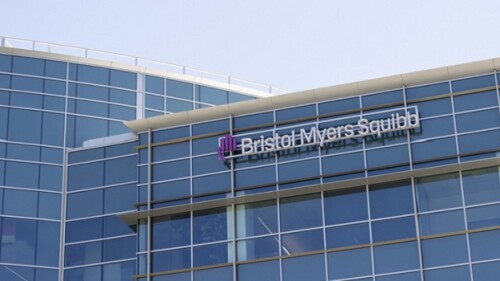 BMS is Harbour’s second powerhouse partner this year after the Chinese biotech signed a potential $4.68 billion deal with AstraZeneca in March.
 -
 Roche CEO Thomas Schinecker said during the company’s Q3 call that it is “not done” with deals—a promise he delivered on with Tuesday’s solid tumor pact with AI-focused Caris Life Sciences.


WEIGHT LOSS

-
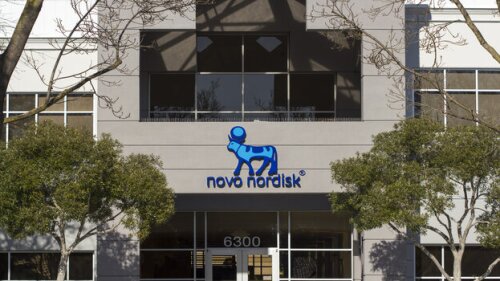 The filing comes as Novo fights tooth-and-nail with rival Lilly to regain its footing at the top of the weight loss market.
 -
 Participants in a Phase III trial who switched to Eli Lilly’s orforglipron after 72 weeks of treatment with Wegovy or Zepbound largely maintained their weight loss for up to a year.
 -
 Eli Lilly’s retatrutide exceeds expectations in Phase III, capping off a sparkling 2025 for the obesity titan; an internal FDA safety review finds no confirmed pediatric deaths caused by COVID-19 vaccines, and Commissioner Marty Makary says no black box warning will be attached to the shots; and BioSpace looks at six biotechs that could be pharma’s next buy.
 -
 These deals radically reshaped the biopharma world, either by one vaccine rival absorbing another, a Big Pharma doubling down after another failed acquisition or, in the case of Pfizer and Novo, two heavyweights duking it out over a hot obesity biotech.
 -
 In the midst of regulatory and political upheaval, biopharma’s R&D engine kept running, churning out highs and lows in equal parts. Here are some of this year’s most glorious clinical trial victories.




POLICY

-
 Policy initiatives have come fast and furious at the FDA this year. While guidances on rare diseases and vaccines have consumed most of the ink, policy shifts aimed at improving FDA efficiencies and reshoring U.S. manufacturing also got some attention. Here, BioSpace rounds up more than a dozen initiatives relevant to the biopharma industry.
 -
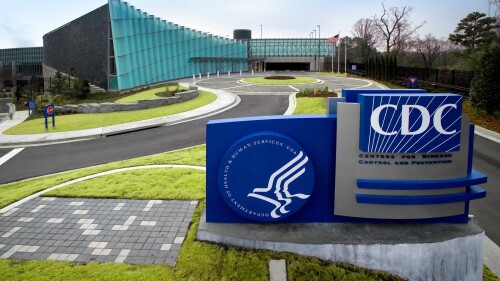 The CDC accepted the recommendation of its advisory committee that the shot be delayed for many patients until they are at least two months of age due to safety concerns. The CDC itself has said the vaccine is safe and effective.
 -
 Pfizer CEO Albert Bourla defended his company’s vaccine business as rhetoric from HHS Secretary Robert F. Kennedy Jr. drives a notable drop in COVID-19 sales.
 -
Writing in separate editorials in two leading medical journals, former chiefs of federal scientific agencies issued warnings about the changes being proposed to vaccine frameworks by current officials.
-
 In this episode of Denatured, Jennifer C. Smith-Parker speaks to Stacey Adam, PhD, Vice President of Science Partnerships at the Foundation for the National Institutes of Health and Patrick Smith, Senior Vice President, Translational Science at Certara, to discuss the latest regulatory news and the future for new approach methologies (NAMs) development.


Communication must be viewed as more than the last step of the research process. It is the structure that makes scientific work clear, trusted and remembered.

What should you do when belief in the mission remains, but the career path doesn’t?

Looking for a biopharma job? Check out the BioSpace list of 12 top companies hiring life sciences professionals like you.

Employees rarely leave companies for one reason alone. In this column, Kaye/Bassman’s Michael Pietrack shares a framework that helps leaders identify when their team members are thinking about heading for the exit—and how to address it.

Biopharma professionals aren’t typically hired right away, based on a BioSpace LinkedIn poll. In the past year, only about one-third of respondents found employment in three months or less. Several who did share their keys to success.

In a volatile industry, staying put might seem like a smart bet, but job hugging can quietly erode your visibility, growth and future opportunities.
HOTBEDS


REPORTS

In this Employment Outlook report, BioSpace explores current workforce sentiment, job activity trends and the prospective job and hiring outlook for 2025, particularly as it compares to the previous year.


BioSpace’s third report on diversity, equity, inclusion and belonging in life sciences examines dramatic shifts in attitude around diversity initiatives.
CANCER

-
 The tickets could go to the lipid-lowering pill enlicitide decanoate and the antibody-drug conjugate sacituzumab tirumotecan, though a spokesperson for the HHS did not confirm the news.
 -
 Analysts at Jefferies called the approval “highly significant,” estimating it could add $2 billion to $3 billion to peak Enhertu sales.
 -
 Johnson & Johnson, which did not apply for the national priority voucher, was granted the ticket based on results from a Phase III study testing Tecvayli plus Darzalex in patients with relapsed or refractory multiple myeloma.
 -
 Varegacestat, a gamma secretase inhibitor, significantly improved progression-free survival while also meeting all key secondary endpoints in the pivotal RINGSIDE trial. Immunome is planning an FDA application for the second quarter of 2026.
 -
 Every year in biopharma brings its share of grueling defeats, and 2025 was no different, especially for companies targeting neurological diseases. Some failures split up partners, and one particularly egregious case even led to the demise of an entire company.


NEUROSCIENCE

-
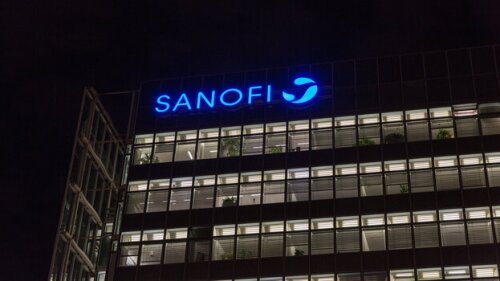 The star of the agreement targets a specific type of tau protein, helping to prevent toxic accumulation in the brain while also preserving the function of healthy tau.
 -
 Kyverna plans to submit mivocabtagene autoleucel to the FDA for approval in the first half of 2026. If approved, it would be the first CAR T therapy for an autoimmune disease.
 -
 Sanofi’s multiple sclerosis hopeful tolebrutinib faced dual setbacks on Monday, with a late-stage failure in one form of the disease and yet another regulatory setback in another.
 -
 Coming up in the back half of December, the FDA will issue a verdict on Vanda Pharmaceuticals’ gastroparesis drug tradipitant, which it rejected last September, triggering a very public dispute with the company.
 -
 In a first for the Parkinson’s field, AC Immune’s immunotherapy has stabilized key biomarkers that suggest an effect on the disease’s course.


CELL AND GENE THERAPY

-
 Addition joins a growing list of launches this year, following in the footsteps of startups like Crystalys Therapeutics and Ollin Biosciences.
 -
 Backed by Italy-based Fondazione Telethon ETS, Waskyra, for Wiskott-Aldrich syndrome, is the first gene therapy from a non-profit sponsor to win FDA approval.
 -
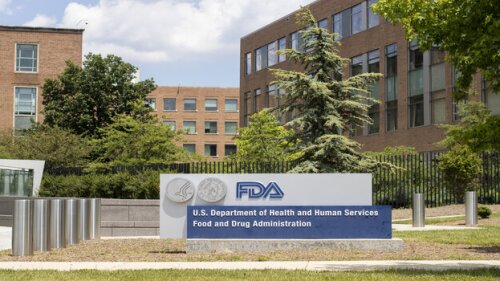 For traditional approval, CAR T therapies will need to establish superiority over current standard treatments, including already-approved CAR T products.
 -
 As big pharmas including Takeda and Novo Nordisk flee the cell therapy space and smaller biotechs shutter their operations, these players are sticking around to take the modality as far as it can go.
 -
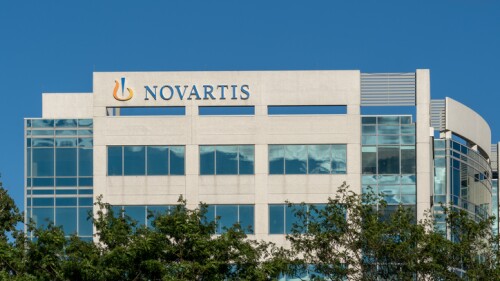 The FDA approved an intrathecal form of Novartis’ spinal muscular atrophy gene therapy Zolgensma on Monday, broadening access to patients two years and older in what one Stanford Medicine professor called a “game changing advance” for the field.


