


In this episode of Denatured, Jennifer C. Smith-Parker speaks to Stacey Adam, PhD, Vice President of Science Partnerships at the Foundation for the National Institutes of Health and Patrick Smith, Senior Vice President, Translational Science at Certara, to discuss the latest regulatory news and the future for new approach methologies (NAMs) development.

For the second month in a row, job postings on BioSpace increased in key biopharma disciplines. However, application rates also increased.

Job listings in the area have ticked up in the last month. These seven companies are hiring in South San Francisco right now, including scientist and clinical roles.

Six months after receiving a surprise rejection due to what the FDA called “lack of substantial evidence of effectiveness,” Capricor’s cell therapy deramiocel showed significant benefits in upper-limb function and slowed decline in cardiac function in a Phase III trial.

Analysts had noted “unease” from investors regarding the state of the Phase III ADEPT-2 trial, with BMS at one point telling Leerink Partners that the reopening of enrollment would be a “significant development.”

The Phase III, open-label extension study suggests EPX-100 has a “positive” risk/benefit profile for the treatment of Dravet syndrome, analysts at H.C. Wainwright & Co. said Tuesday.
FEATURED STORIES

J&J reports today, just two weeks after Pfizer secured certainty on tariffs and drug pricing. Analysts expect to hear about plans from the rest of the industry during third period earnings calls.

While a new facility setup program aimed at encouraging onshoring received a positive reception at a recent meeting, industry representatives said the current rules on existing production plants are the main regulatory issues facing manufacturing teams.

To drive true innovation in drug development, executives must not let excitement about the latest shiny object obscure ultimate outcomes.

Heading into the final quarter of a year that has seen dramatic upheaval at the FDA—from the exodus of numerous senior leaders to unclear policy changes and a safety saga that engulfed the gene therapy space—drug approvals appear roughly on par with recent years.

Therapies from industry leaders BioMarin and Ascendis Pharma supply a key hormone that promotes bone growth. In order to move the field forward, challengers are looking to address the underlying cause of the rare, genetic disease.

New analysis from Jefferies shows that rare disease and cancer drugs granted the status are especially likely to be approved.


FROM BIOSPACE INSIGHTS

Eli Lilly and Company has invested more than $20 billion in its manufacturing capabilities since 2020 to help meet high demand for its medicines. Its recently announced Lilly Medicine Foundry—which will support research and development efforts—is just the latest example of the ability to research new ways of producing medicines, while also scaling up manufacturing of medicines for clinical trials.


LATEST PODCASTS

In this episode presented by IQVIA, BioSpace’s head of insights Lori Ellis discusses the concerns and opportunities of patient data driving AI tasks with Louise Molloy, associate director medical information and pharmacovigilance.

Sarepta’s Elevidys is back on the market for ambulatory patients with Duchenne muscular dystrophy, Health Secretary Robert F. Kennedy Jr. reportedly plans to dissolve the U.S. Preventive Services Task Force and “fix” the vaccine injury compensation program, Merck, AstraZeneca and more report Q2 earnings, Novo names a new leader and Roche’s trontinemab impresses at AAIC25.
Sarepta Therapeutics faces serious FDA action after news broke of a third patient death, the FDA gets a new top drug regulator in George Tidmarsh, a handful of new drugs get turned away from the market and pharma companies continue to commit billions to reshoring manufacturing.
Job Trends

Most employers are expecting to hire this year, according to BioSpace data and Recruitment Manager Greg Clouse, who noted that companies are looking to do more than just replace people lost to turnover.


Subscribe to GenePool
Subscribe to BioSpace’s flagship publication including top headlines, special editions and life sciences’ most important breaking news
SPECIAL EDITIONS

In this deep dive, BioSpace investigates China’s rise as a biotech powerhouse.

In this deep dive, BioSpace explores the next big thing in obesity.

BioSpace did a deep dive into biopharma female executives who navigated difficult markets to lead their companies to high-value exits.
DEALS

-
 Novartis and Monte Rosa first partnered in October 2024 for a molecular glue asset for immune-mediated and autoimmune diseases. This time, the pharma is putting $120 million down upfront for more of the biotech’s AI-discovered degraders.
 -
 LB Pharma landed on the Nasdaq Thursday, with 3 million additional shares sold than expected.
 -
 Contingent value rights are rising in a down market, helping to close the gap between buyer and seller expectations in biotech transactions.
 -
 Executives at Novartis have not been shy about a desire to buy more companies, with cardiovascular a big focus. In total, the Swiss pharma has put $17.23 billion on the line in M&A and licensing deals this year.
 -
 Blank check deals dwindled after a crazy 2021. Now, biotechs are starting to turn to special purpose acquisition companies again as an easy route to the public markets.


WEIGHT LOSS
-
 The White House is clamping down on pharma’s ability to buy new molecules from Chinese biotechs; Sanofi, Merck and others abandon the U.K. after the introduction of a sizeable levy; Novo CEO Maziar Mike Doustdar lays off 9,000 while the company presents new data at EASD; Capsida loses a patient in a gene therapy trial; and CDER Director George Tidmarsh walks back comments on FDA adcomms.
 -
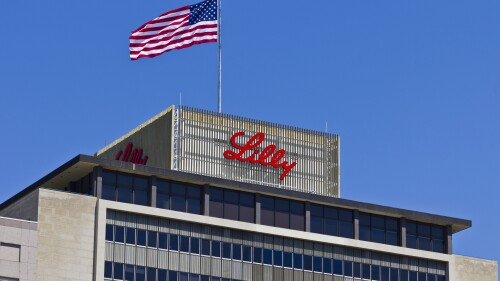 The over-representation of males and Hispanic patients in Eli Lilly’s Phase III ATTAIN-1 study could explain why orforglipron “underperformed” expectations in a previous readout, according to analysts at BMO Capital Markets.
 -
 The FDA has vowed to fix a pharma ad loophole—but they’re targeting the wrong one.
 -
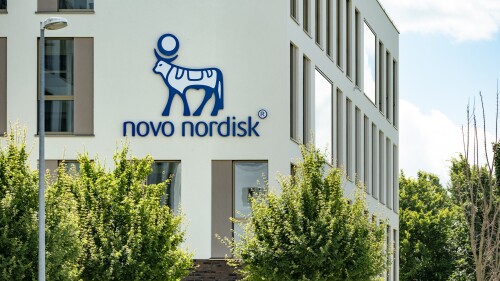 The sub-analysis, presented at the European Association for the Study of Diabetes congress, showed improved safety data to counteract past tolerability issues.
 -
 Both Novo Nordisk and Eli Lilly are eyeing regulatory advancements for their obesity blockbusters as the European Association for the Study of Diabetes’ annual conference continues this week.


POLICY

-
 The World Health Organization’s Essential Medicines list guides high-level procurement and coverage decisions for over 150 countries.
 -
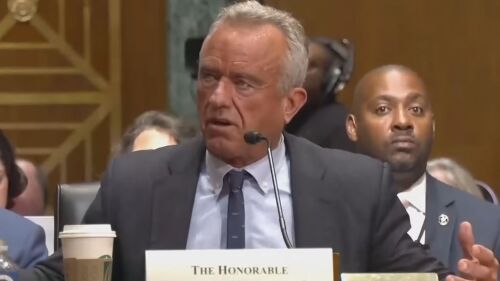 Robert F. Kennedy Jr. repeated a series of anti-vaccine talking points during his appearance in front of the Senate finance committee on Thursday, as Democratic and Republican senators alike hammered the Health Secretary on recent COVID-19 vaccine restrictions and his views on Operation Warp Speed.
 -
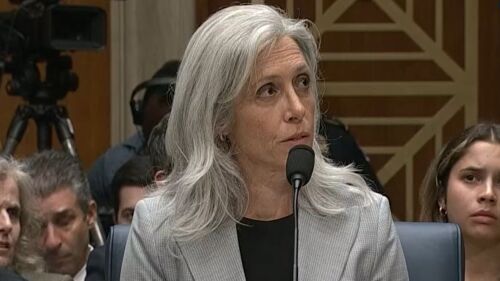 Ousted CDC Director Susan Monarez claimed in an op-ed published in The Wall Street Journal Thursday that she was fired for refusing to rubber-stamp COVID-19 recommendations to be made by an advisory panel that has expressed “antivaccine rhetoric.”
 -
 In coordination with the United States President’s Emergency Plan for AIDS Relief, Gilead will make its twice-yearly HIV prophylactic Yeztugo available to resource-limited countries “at no profit.”
 -
 Perhaps the most interesting of the pile of FDA rejection letters was for Lykos Therapeutics’ MDMA therapy. Letters sent to Stealth BioTherapeutics, Regeneron and more were also released as the agency also promised future CRLs “promptly after they are issued to sponsors.”


Looking for a quality control job? Check out these nine companies hiring life sciences professionals like you.

Companies will look at job candidates’ LinkedIn profiles, so make sure yours is strong, from the summary of your expertise and qualifications to testimonials from colleagues.

After more than 20 years at Eli Lilly, Leslie Sam moved into independent consulting. To prepare for the transition, she focused on becoming technically deep and earning industry recognition.

Employed and unemployed biotech and pharma professionals are thinking about job hunting in other fields amidst a challenging labor market.

When you don’t get the promotion you wanted, it’s important to assess your company and yourself so you can improve your odds in the future.

Looking for an automation engineer job? Check out these seven companies hiring life sciences professionals like you.
HOTBEDS


REPORTS

The 2021 Salary Report is significant in more ways than one. This year, BioSpace analyzed salary data through two key lenses: the impact of the pandemic, and for the first time, race and ethnicity.

BioSpace’s 2022 Salary Report explores the average salaries and salary trends of life sciences professionals. Though movement in the labor market slowed during the pandemic, recovery has been swift and employers are once again having to cope with a highly competitive talent market.

BioSpace has created guidelines on how biopharma organizations, large and small, can effectively support employee resource groups (ERGs), encouraging both their creation and ongoing participation.
CANCER

-
 Ivonescimab elicited better overall survival in Asian patients with non-small cell lung cancer than in those from North America and European countries, in Western countries narrowly missing the statistical significance threshold the FDA is seeking.
 -
 According to analysts, the new data could present a path to accelerated approval for ifinatamab deruxtecan, a product of Merck and Daiichi Sankyo’s troubled ADC partnership.
 -
 Some of the biggest SPACs from the industry’s pandemic-fueled heyday are no longer on the market.
 -
 The French giant is gaining access to darovasertib, a small molecule protein kinase C inhibitor already in Phase II/III trials, with rights for the whole world besides the U.S.
 -
 Exelixis is looking at the possibility of relocating some of the eliminated Pennsylvania roles to its headquarters in Alameda, California, according to a company spokesperson.


NEUROSCIENCE

-
 Rick Doblin, the founder of the Multidisciplinary Association for Psychedelic Studies, which founded Lykos, bemoaned a “moving of the goal posts” in Lykos’ rejection but looked for positives in the newly released complete response letter.
 -
 The reprioritization effort will help AC Immune extend its cash runway through the third quarter of 2027.
 -
Health Secretary Robert F. Kennedy Jr. will appear before the Senate Finance Committee Thursday, ahead of a vaccine advisory committee meeting later in September. Meanwhile, deal-making appetite appears healthy, and the weight loss space continues generating clinical data and other news.
-
 Novartis is licensing ARO-SNCA, a preclinical siRNA therapy for synucleinopathies, a group of neurodegenerative disorders including Parkinson’s disease.
 -
 While the approval of Leqembi Iqlik bodes well for Biogen and Eisai’s planned application for a subcutaneous induction regimen next year, its financial impact remains “uncertain,” as potentially higher revenues from the injection could be offset by steeper costs of production, according to Jefferies.


CELL AND GENE THERAPY

-
 In late May, a patient died after receiving Rocket Pharmaceuticals’ investigational gene therapy for Danon disease, spurring the hold. After lowering the dose and changing the regimen of immune modulators patients receive, the company has received FDA clearance for the trial to continue.
 -
 The FDA has postponed its decision date for Regenxbio’s Hunter syndrome gene therapy to review additional longer-term clinical data for the asset.
 -
 Kriya is advancing a host of gene therapies for a wide variety of chronic diseases, including geographic atrophy, trigeminal neuralgia and type 1 diabetes.
 -
Prasad Returns, Delany Departs, Lilly’s Weight Loss Pill Disappoints and Sarepta’s Fallout ContinuesCBER Chief Vinay Prasad reclaimed his job less than two weeks after his mysterious exit; MAHA implementor Gray Delany is out after reportedly sparring with other agency officials over communications strategy; Eli Lilly’s first Phase III readout for oral obesity drug orforglipron missed analyst expectations; and Arrowhead Pharmaceuticals addresses the recent woes of its of partner Sarepta.
-
 Jefferies analysts said these detailed safety outcomes confirm the gene therapy’s positive risk/benefit profile in ambulatory patients with Duchenne muscular dystrophy.


