


Nxera, which formerly went by Sosei, will also reprioritize its pipeline to focus on obesity, metabolic and endocrine diseases.

With positive data from the Phase III HERIZON-GEA-01 study, Zymeworks and Jazz Pharmaceuticals will file an approval application for Ziihera in the first half of 2026 for the treatment of gastroesophageal adenocarcinoma.

Halda Therapeutics is developing oral assets for prostate and lung cancer. The deal comes after Johnson & Johnson set an ambitious goal for its oncology sales by 2030.

The companies have yet to disclose how many programs they plan to collaborate on or what indications they will prioritize.

Sarepta must also run a post-marketing study for Elevidys to better assess the risk of serious liver injury in patients dosed with the gene therapy.

Artios Pharma is working on a pipeline of oncology assets, led by alnodesertib, currently being tested for second-line pancreatic cancer and third-line colorectal cancer.
FEATURED STORIES

Aside from the rare disease market, Novo Nordisk also scored a key regulatory win last month for its blockbuster GLP-1 drug Wegovy, which can now be used to treat patients with metabolic dysfunction-associated steatohepatitis.

After a demoralizing period punctuated by the withdrawal of one of the few marketed therapies for ALS, investment in new biotechs, state-backed collaborative initiatives and buzz at BIO2025 suggest a new day in drug development for one of medicine’s most intractable diseases.

With a flurry of recent Big Pharma investment in radiopharmaceutical therapeutics, the FDA issued draft guidance last month in a move former FDA Commissioner Stephen Hahn sees as the regulator “trying to get ahead on a new set of therapy that they see becoming very important for cancer.”

While trade groups hail the executive order as a national health security opportunity, analysts warn that production costs could go up in the near term.

During the COVID-19 pandemic, Health Secretary Robert F. Kennedy Jr.—along with FDA Commissioner Marty Makary and CBER Director Vinay Prasad—argued against vaccine mandates, partly because they limited medical choice. This week, the FDA under their leadership approved updated COVID-19 vaccines with restrictions that do the same.

As the political winds shift on a whim and public distrust of the pharma industry reaches fever pitch over drug pricing, executives are being asked to navigate an impassible path.


LATEST PODCASTS

In this bonus episode, BioSpace’s vice president of marketing Chantal Dresner and careers editor Angela Gabriel take a look at Q1 job market performance, layoffs and administration decisions impacting the workforce.

In this episode presented by DIA, BioSpace’s head of insights Lori Ellis discusses the underrepresentation of women in clinical trials with Martin Hodosi, partner at Kearney and Melissa Laitner, director of strategic initiatives at the National Academy of Medicine.
A consumer-driven weight loss market could put pharma at greater risk if a recession hits; the continued turmoil at FDA and other HHS agencies magnifies the uncertainty facing the industry; Lilly files a lawsuit against a med spa selling its drugs; and more.
Job Trends
Carisma Therapeutics Inc. (Nasdaq: CARM) (“Carisma” or the “Company”), a clinical stage biopharmaceutical company focused on discovering and developing innovative immunotherapies, today announced the nomination of the first development candidate (“Development Candidate”), under its collaboration with Moderna, Inc.
Subscribe to GenePool
Subscribe to BioSpace’s flagship publication including top headlines, special editions and life sciences’ most important breaking news
SPECIAL EDITIONS

In this deep dive, BioSpace investigates China’s rise as a biotech powerhouse.

In this deep dive, BioSpace explores the next big thing in obesity.

BioSpace did a deep dive into biopharma female executives who navigated difficult markets to lead their companies to high-value exits.
DEALS

-
 Bristol Myers Squibb is dropping at least $3.5 billion to jointly develop the bispecific antibody, which will race with Summit Therapeutics, Merck and Pfizer in the crowded PD-1/PD-L1xVEGF space.
 -
 AstraZeneca has put hundreds of millions of dollars into AI deals, with an eye toward not just accelerating the development of drugs that treat cancer after it appears but also in creating diagnostics that can catch cancer earlier than current methods allow.
 -
 The acquisition of SiteOne provides a bit of diversification for Lilly, which has burrowed into the obesity and diabetes space with mega-blockbuster tirzepatide and several follow-on molecules.
 -
 In addition to a $140 million series D, GRIN Therapeutics has signed a global licensing deal for the epilepsy disorder drug radiprodil worth $50 million upfront.
 -
 The deal helps revitalize the TREM2 target after the high-profile failure of AbbVie and Alector’s candidate last year.


WEIGHT LOSS

-
 Altimmune’s pemvidutide failed to significantly improve fibrosis in MASH patients in a Phase IIb study. The biotech crashed 53% in the aftermath of the readout.
 -
 In the race to make the most tolerable obesity drug, there seems to be no clear winner—at least not according to analysts parsing the data presented at the American Diabetes Association annual meeting this week.
 -
 Eli Lilly’s tirzepatide is expected to be worth $62 billion annually by 2030, according to Evaluate. That valuation would be three times larger than what AbbVie’s blockbuster Humira ever achieved.
 -
 Robert F. Kennedy Jr. testified in front of largely combative congresspeople on vaccine policy, his MAHA report and more; the mass leadership exodus at the FDA continues as CDER and CBER shed key staff; Kennedy’s revamped CDC vaccine advisors convene for their first meeting; Novo and Lilly present new data at the American Diabetes Association’s annual meeting; and BioSpace recaps BIO2025.
 -
 Eli Lilly’s bimagrumab led to weight loss that was due almost entirely to fat reduction when combined with semaglutide, marketed by rival Novo Nordisk as Wegovy. BMO Capital Markets called the data “impressive” while raising concerns about the antibody’s safety profile.



POLICY

-
 Albert Bourla confirmed that he called President Donald Trump after receiving a letter asking Pfizer and a clutch of other pharmaceutical companies to lower drug prices or face consequences.
 -
 Earlier this year, the Centers for Medicare and Medicaid Services scrapped a previous proposal, from the Biden administration, to include anti-obesity medications in Medicare Part D coverage.
 -
 Sarepta and Capricor learned of key regulatory decisions from the media and investors, and Duchenne muscular dystrophy families have turned to the news for answers. Meanwhile, the FDA insists it remains committed to notifying companies of any regulatory action before sharing information with the media or public.
 -
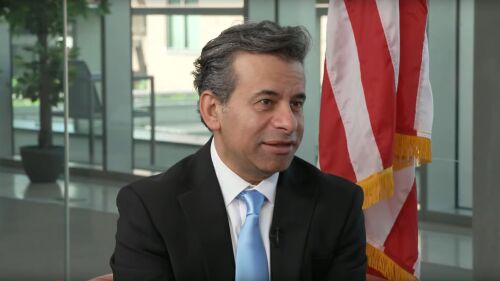 The FDA has denied that it plans to combine the Center for Drug Evaluation and Research and Center for Biologics Evaluation and Research into one entity.
 -
 In 17 identical letters posted to his Truth Social account, the president said companies must lower their prices or the government ‘will deploy every tool in our arsenal to protect American families from continued drug pricing practices.’


If it feels like there has never been a tougher time to look for work, you’re not alone—and you’re likely not wrong.

Carina Clingman answers questions about forging professional connections in-person and on LinkedIn.

A resume should communicate to employers that a candidate has what they are looking for by highlighting technical and soft skills.

Here’s what to look for—and what to ask—before and during the interview process to find out whether an employer fosters an inclusive environment.

Preparation is key to ensuring one stands out in an increasingly competitive job market. We asked an expert for tips.

Although looking for candidates on platforms like LinkedIn continues to be the norm, some headhunters are also combing Google Scholar and PubMed for authors with relevant skills.
HOTBEDS


IN CASE YOU MISSED IT

Days after Johnson & Johnson’s posdinemab failed to slow clinical decline in patients with Alzheimer’s disease, Eisai Chief Clinical Officer Lynn Kramer expressed unwavering conviction in his company’s own anti-tau asset, while others suggest the Alzheimer’s field is heading in a completely different direction.


REPORTS

In this Employment Outlook report, BioSpace explores current workforce sentiment, job activity trends and the prospective job and hiring outlook for 2025, particularly as it compares to the previous year.


BioSpace’s third report on diversity, equity, inclusion and belonging in life sciences examines dramatic shifts in attitude around diversity initiatives.
CANCER

-
 The FDA delivered two notable approvals for RSV immunization, UroGen overcame a negative advisory committee vote to secure an approval in bladder cancer, and more key regulatory nods from the past month.
 -
 Gilead is betting up to $750 million on Kymera’s anti-CDK2 molecular glue for solid tumors, while Sanofi elected to move forward with another protein degrader from the biotech, designed to target immune-mediated diseases.
 -
 In May, Revolution Medicines projected its cash and equivalents of $2.1 billion would last into the second half of 2027. With new funding from Royalty Pharma, the biotech has withdrawn that runway end date.
 -
 In combination with Roche’s PD-L1 blocker Tecentriq, zanzalintinib bested Bayer’s Stivarga. Exelixis is positioning the drug candidate as a successor to cabozantinib, which is set to lose patent exclusivity in 2030.
 -
 Venclexta, when combined with azacitidine, elicited an overall survival benefit below 10% in patients with myelodysplastic syndromes.


NEUROSCIENCE

-
 Armed with the latest biological knowledge and cutting-edge computational techniques—and, of course, investor dollars—these six biotechs are playing in the largely underappreciated longevity space, developing therapies that may improve the quality of aging.
 -
 BrainStorm Cell Therapeutics issued a statement Tuesday supporting a Citizens’ Petition submitted to the FDA requesting the approval of its cell therapy NurOwn, whose BLA was withdrawn in 2023. A Phase IIIb trial was scheduled to begin last month.
 -
 After a season of regulatory upheaval, obesity and rare genetic diseases will likely remain major themes for biopharma in 2025, according to Jefferies.
 -
The high court sides with HHS on HIV PrEP drugs; Health Secretary RFK Jr.’s newly appointed CDC vaccine advisors discuss thimerosal in flu vaccines, skip vote on Moderna’s mRNA-based RSV vaccine; FDA removes CAR T guardrails; AbbVie snaps up Capstan for $1.2B to end first half; and psychedelics take off again with data from Compass and Beckley.
-
 BPL-003 showed “robust” efficacy data in treatment-resistant depression, according to analysts from Jefferies, who noted that the asset could hit peak market sales of $1 billion. The results clear the way for the asset’s late-stage development and for the completion of a proposed merger with atai Life Sciences.


CELL AND GENE THERAPY

-
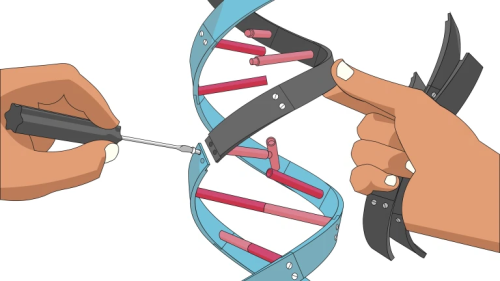 Gene therapies have ridden investor mania to huge valuations but commercialization challenges have pushed market caps to the floor. At a roundtable last week, FDA leaders promised faster approvals and broad support to the industry.
 -
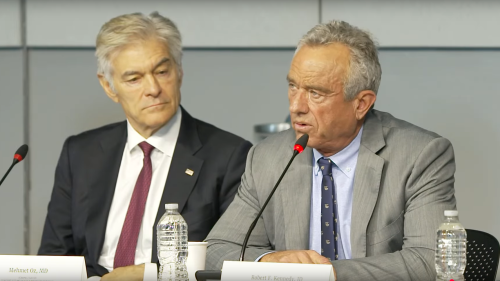 In a roundtable event on Thursday, HHS Secretary Robert F. Kennedy Jr. said his office will work to eliminate barriers that keep cell and gene therapies from the market.
 -
 Interim results from a small group of children in a Phase I/II trial are essentially in line with that of Elevidys, according to BMO Capital Markets analysts.
 -
 The Platform Technology Designation, which predates the current FDA leadership, is designed to streamline the drug development and review process, particularly for rare diseases.
 -
 J&J has a multi-year head start, but Gilead believes it can win market share by delivering a drug with better safety and at least as good efficacy.


