


Pfizer and Novo Nordisk continue to fight for ownership of obesity startup Metsera; CDER Director George Tidmarsh leaves his position amid an ongoing probe into his “personal conduct”; FDA reverses course on approval requirements for uniQure’s Huntington’s gene therapy; Sarepta’s exon-skipping Duchenne muscular dystrophy drugs fail confirmatory study.

Biohaven is proposing troriluzole for the treatment of spinocerebellar ataxia, a group of rare, genetic diseases that lead to the progressive loss of control over movement.

Arena launched with $500 million in early 2024 to fund basic biological research, from which it planned to spin out dedicated companies to focus on drug development.

Harmony Biosciences has paused a mid-stage trial of ZYN002 in 22q11.2 deletion syndrome after the THC-free cannabinoid drug failed to significantly improve social avoidance in a late-stage study in fragile X Syndrome.

Amgen remains confident in its obesity asset MariTide, for which it has launched a broad Phase III program.

Due to the litigation Pfizer filed Friday and Monday against Metsera, Novo Nordisk and the biotech’s lead shareholder, CEO Albert Bourla was limited in what he could say. But he said Pfizer was the best fit for Metsera.
FEATURED STORIES

More than thirty years since its 1993 founding, Catherine Owen Adams and Elizabeth Thompson—the R&D combo that has led Acadia since last year—are managing two products on the market and a pipeline estimated to be worth an additional $12 billion in sales.

New data and analyses presented at the American Diabetes Association’s annual meeting highlight the priorities for the next generation of weight loss medicines: muscle preservation, limited side effects and novel targets.

The FDA has several big-ticket decisions lined up to close out July, including applications in lymphoma, rare diseases and a hormone deficiency, while GSK dares to DREAMM again in multiple myeloma.

Market reaction to recent readouts from Compass Pathways and Beckley Psytech/atai in treatment-resistant depression speaks to the hurdles psychedelic therapies must clear to quell concerns about commercial viability.

Only with the adoption of digital imaging and AI-powered analysis will next-generation precision oncology therapies reach their full potential and ensure no eligible patient is overlooked.

Armed with the latest biological knowledge and cutting-edge computational techniques—and, of course, investor dollars—these six biotechs are playing in the largely underappreciated longevity space, developing therapies that may improve the quality of aging.


LATEST PODCASTS
J&J, GSK, Eli Lilly and others struck high-value transactions in the early days of biopharma’s annual kickoff conference. Meanwhile, Biogen proposes to acquire struggling neuro partner Sage, and obesity dominates discussions as Pfizer goes “all in.”

In this short teaser, BioSpace’s Head of Insights Lori Ellis talks to CBER Director Peter Marks and Tom Whitehead, Co-Founder of the Emily Whitehead Foundation about anticipated discussions at the upcoming GenScript Biotech Forum.
BioSpace presents 25 noteworthy biopharma startups in ’25; analysts forecast stronger M&A as the J.P. Morgan Healthcare Conference kicks off next week; GLP-1s continue to expand their reach as Novo, Lilly fight against compounders; and a look ahead to five key FDA decisions in Q1.
Job Trends
AstraZeneca’s supplemental New Drug Application for TAGRISSO® has been accepted and granted Priority Review in the US for the treatment of adult patients with unresectable, Stage III epidermal growth factor receptor-mutated non-small cell lung cancer after chemoradiotherapy.
Subscribe to GenePool
Subscribe to BioSpace’s flagship publication including top headlines, special editions and life sciences’ most important breaking news
SPECIAL EDITIONS

In this deep dive, BioSpace investigates China’s rise as a biotech powerhouse.

In this deep dive, BioSpace explores the next big thing in obesity.

BioSpace did a deep dive into biopharma female executives who navigated difficult markets to lead their companies to high-value exits.
DEALS

-
 M&A was already on the upswing in 2024, and the new Trump administration may support that trend. But if data aren’t handled properly, acquisitions won’t reach their full potential.
 -
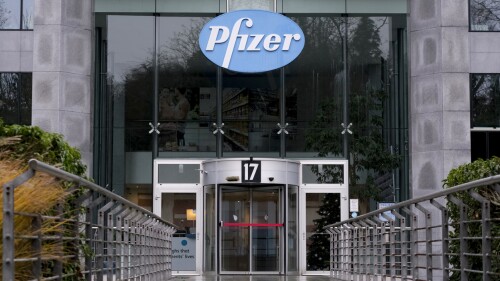 With just one asset in weight loss moving through the clinic, Pfizer targets the space for potential dealmaking, as well as bringing assets over from China.
 -
 Biogen’s effort to buy Sage against the board’s wishes and a long-time effort by investor Alcorn to scuttle Aurion’s IPO underscore the cutthroat nature of biopharma dealmaking.
 -
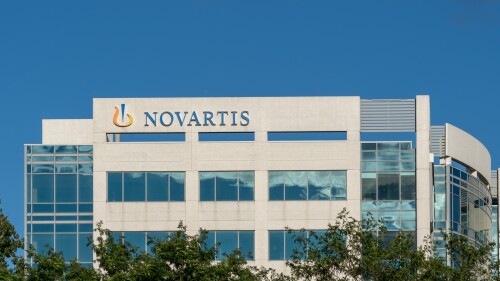 Novartis was among the most prolific pharma dealmakers in 2024, a trend that it expects to continue with more bolt-on deals this year to set up for sustainable long-term growth.
 -
 Sanofi’s jump in earnings comes with an increased emphasis on R&D and vaccines, plus an eye cast toward M&A to shore up its pipeline.


WEIGHT LOSS
-
 A consumer-driven weight loss market could put pharma at greater risk if a recession hits; the continued turmoil at FDA and other HHS agencies magnifies the uncertainty facing the industry; Lilly files a lawsuit against a med spa selling its drugs; and more.
 -
 Wegovy and Zepbound are just the latest drug dyads to face-off in the competitive pharma market, continuing a legacy of rivalry that includes blockbuster drugs Keytruda, Humira and Eliquis.
 -
 Long considered resistant to economic downturns, the pharmaceutical industry may face a greater challenge this time around as GLP-1s dominate and the population grows older.
 -
 Last week, The Trump administration reversed a Biden-era proposal for Medicare coverage of anti-obesity treatments. But on Monday, HHS suggested it is open to future policy considerations toward this end.
 -
 Stifel analysts were bullish on the data, which showed a 16.5% drop in body-mass index among patients with damage to the hypothalamus taking Rhythm Pharmaceuticals’ Imcivree.


POLICY

-
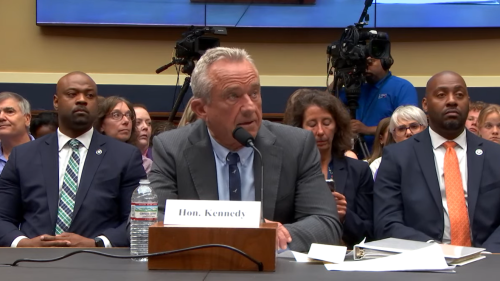 With much to cover, Democrats tackled Kennedy’s MAHA report; the firing of all members of the CDC’s ACIP committee; and much more. Little was accomplished, as Kennedy demurred and members of Congress accused him of risking American lives.
 -
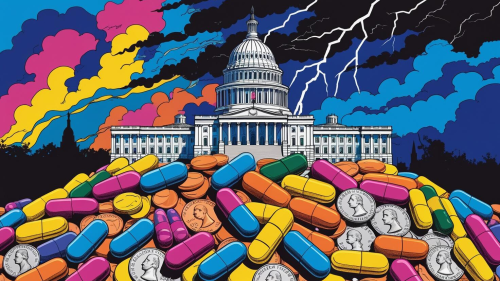 Drug pricing, budget cuts, tariffs and other shifts under the Trump administration undermine the biopharma and healthcare ecosystem.
 -
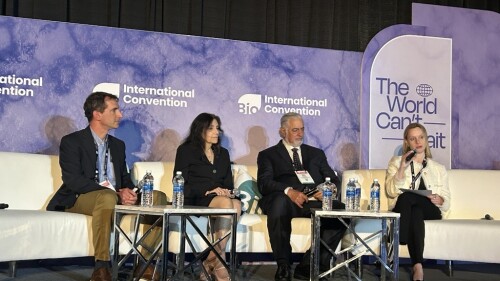 Speaking at BIO2025, rare disease leaders from Ultragenyx, Amylyx and Yale questioned the need for the new regulatory pathway proposed by FDA Commissioner Marty Makary. They acknowledged, however, that creative thinking is required to enable more treatments for patients with ultrarare diseases.
 -
 The Inflation Reduction Act includes an exemption for orphan drugs for a single indication, but experts say this is far from sufficient to maintain momentum in the rare disease space.
 -
 In advance of this week’s CDC vaccine advisory meeting, HHS Secretary Robert F. Kennedy Jr. restacked the committee, claiming problematic industry ties within the previous group. Experts say ACIP had long navigated COIs appropriately and that the new appointees risk the apolitical nature of membership.


Becoming a chemist in the biopharma industry takes hard work, dedication and a willingness to continuously learn. Here’s what you need to know to become a biochemist.

As automation ramps up in the coming years, many jobs will be lost to machines. Here are a few life science sectors that are expected to maintain steady growth in the coming years.

Landing your first internship can be a major milestone in your career journey. Here’s what you can do to set yourself up for success and make the most of your life science internship.

The best thing a professional can do when considering a position at the FDA is weigh the pros and cons. To help, we’ve created a guide to working at the FDA, with benefits, challenges and tips.

The life science field offers a wealth of opportunities, even for those working outside of the field. Here are six life science jobs that don’t require industry experience.

With so many differences in research and regulation, it’s more important now than ever for job seekers considering moving outside of the U.S. to educate themselves before they make the leap.
HOTBEDS


REPORTS

In this Employment Outlook report, BioSpace explores current workforce sentiment, job activity trends and the prospective job and hiring outlook for 2025, particularly as it compares to the previous year.


BioSpace’s third report on diversity, equity, inclusion and belonging in life sciences examines dramatic shifts in attitude around diversity initiatives.
CANCER

-
 The Massachusetts biotech will focus its efforts and resources into cemsidomide, an oral drug candidate being trialed for multiple myeloma and non-Hodgkin lymphoma.
 -
 Keytruda is set to lose exclusivity in 2028, meaning Summit may face competition from cheaper biosimilars. Meanwhile, other branded drugmakers are also seeking to improve on the blockbuster checkpoint inhibitor.
 -
 BNT327, a PD-L1/VEGF therapy, is still currently being manufactured in China, but BioNTech is working to establish a diversified supply chain, executives said during the company’s Q1 investor call.
 -
 On the FDA’s docket this month are two expansion bids, one for GSK’s asthma drug Nucala into COPD and another for Merck’s oral cancer drug for a pair of rare tumors.
 -
 Jefferies analysts said Moderna’s first quarter was “in line,” with a miss on revenue offset by a beat on earnings per share.


NEUROSCIENCE

-
 Analysts at BMO Capital Markets said Centessa’s orexin receptor agonist has “best-in-class” potential for narcolepsy, putting the company in a strong position in the $15 billion market.
 -
 Sangamo, which has been having cash problems, will receive $18 million upfront in licensing fees for its AAV capsid that in preclinical studies has shown the ability to cross the blood-brain barrier.
-
 After some high-profile crashes, the one-time biotech darling is inching toward success with its Hunter syndrome treatment, which today began a rolling BLA for accelerated approval.
 -
Biopharma leaders react to the forced resignation of CBER Head Peter Marks as RFK Jr.’s promised job cuts begin at the FDA; Novo Nordisk presents mixed results from oral semaglutide in cardiovascular disease; the EU’s Committee for Medicinal Products for Human Use declines to recommend Eli Lilly’s Alzheimer’s drug; and pharma R&D returns grew in 2024.
-
 The European Union’s CHMP said that the benefits of the drug, already approved in the U.S., do not outweigh the risk of potentially fatal brain swelling and bleeding.


CELL AND GENE THERAPY

-
 Dyne is eyeing an accelerated approval filing for DYNE-251 in early 2026 that would pit the asset against Sarepta’s Exondys 51 in a patient population amenable to exon 51 skipping.
 -
 Having established success in cancer, biopharma is now looking to leverage CAR T therapies against a new target, autoimmune disorders, with several early- to mid-stage readouts expected this year.
 -
 Johnson & Johnson and Legend Biotech hope to hit blockbuster status for Carvykti this year.
 -
 Facing declining valuations and funding challenges, public biotechs like bluebird bio are going private to restructure, reduce regulatory burdens and refocus on long-term growth.
 -
 Roche acquired Spark Therapeutics in 2019 for $4.8 billion.


