
Latest News
& Press Releases
Browse the latest news from BioSpace, and press releases from around the industry. Want to filter by date, keyword, and more? Search here.
TOP STORIES

After a period of diversification, Novo Nordisk is returning to its roots by focusing on the 2 billion people with diabetes, obesity or overweight.

BMO analysts say Eli Lilly is well-positioned to maintain its lead in the ballooning weight loss space, predicting “strengthening leadership in obesity and beyond” as portfolios expand and patient access improves.

Biopharma companies—including AstraZeneca, BioNTech and Agios—peered farther into the future on the second day of JPM, setting both revenue and R&D targets through the end of the decade.
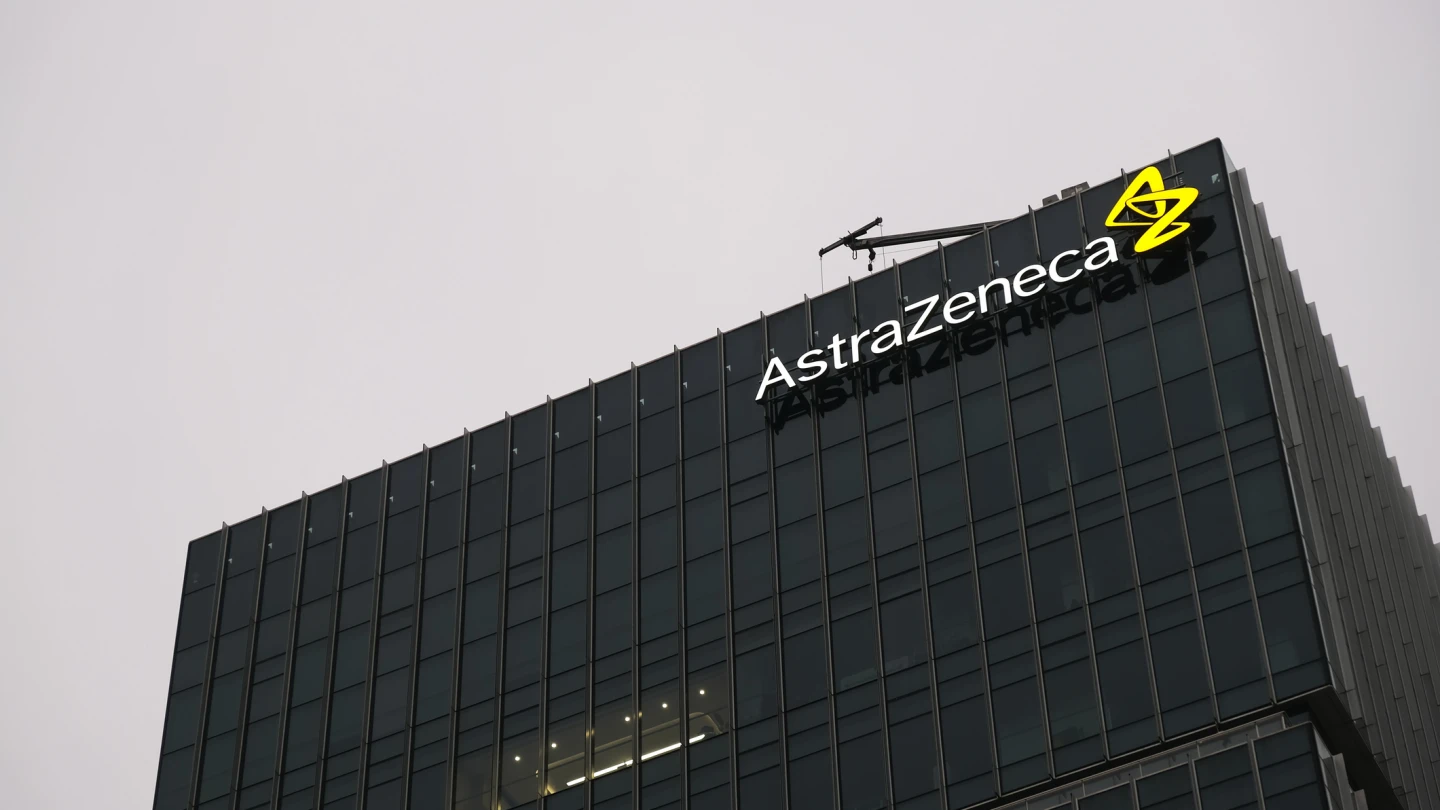
AstraZeneca is relying on several upcoming products to help hit its target of $80 billion in revenue by 2030, including drugs for hypertension, breast cancer and generalized myasthenia gravis, all of which are currently under FDA review.

A more detailed review of data by the FDA showed that GLP-1 drugs do not increase the risk of suicidal ideation or behavior.

AbbVie and Novartis strike billion-dollar pacts while attendees at the J.P. Morgan Healthcare Conference await that one big M&A deal and Merck teases limitless buying capacity; Eli Lilly readies for potential orforglipron launch while Novo Nordisk laments compounders; the IPO window cracks open; and the FDA concludes that GLP-1s do not pose a suicide risk.

Speaking to BioSpace at the J.P. Morgan Healthcare Conference, Novartis’ chief dealmaker Ronny Gal explains why the Swiss pharma hasn’t acquired a GLP-1, and why it probably won’t.

There hasn’t been a headline-stealing deal at J.P. Morgan yet. Nevertheless, the mood is positive amid green shoots and a flurry of dealmaking to end 2025.

Merck CEO Rob Davis expressed high confidence during the company’s J.P. Morgan presentation on Monday, revealing that the company is open to deals in the range of “multi tens of billions of dollars.”

Acadia Pharma’s Catherine Owen Adams is one of the founders of a group of small- to mid-cap biotechs advocating against a ‘peanut butter blanket’ approach to drug pricing for small companies.

Johnson & Johnson’s second facility in Wilson, North Carolina, is part of a $55 billion push to make all advanced medicines used in the U.S. domestically.

The FDA previously rejected Zycubo for Menkes disease in October last year, citing issues with the drug’s manufacturing facility.
PRESS RELEASES
VINIA’s leadership position in the market validates its superior arterial dilation and blood flow performance as well as BioHarvest’s Botanical Synthesis platform technology
Leveraging its PharmaPatch™ experience, the Company is introducing PatchPrint™ to support existing microneedle patch programs and expand into on-demand personalized patch solutions, including peptide patches, branded wellness patches, manufacturing systems and commercial partnerships.
Ligand-independent mechanism of action of SignaBlok’s first-in-class TREM-1 inhibitors enables development of cell-unspecific and macrophage-targeted TREM-1 inhibitors · In experimental pancreatic cancer, macrophage-targeted but not cell-unspecific TREM-1 inhibitor: − prevents cancer recurrence, improves complete response rate and survival, when administered in a time window of 7 days after standard-of-care (SOC) chemotherapy − reverses immunosuppression and overcomes cancer resistance to anti-PD-L1 immunotherapy · Timely resolution of acute inflammation induced by SOC cancer treatments (chemotherapy, surgery, radiation, radiopharmaceuticals, etc.) can be a common approach to prevent cancer recurrence, increase response rate and survival for not only pancreatic cancer but also other hard-to-treat tumors