
News

While Baseline Therapeutics declined to disclose its starting capital, the startup said it will use the funds to push its GLP-1 asset BT-001 into late-stage development, with two trials planned this year.


FEATURED STORIES

Some 200 rare disease therapies are at risk of losing eligibility for a pediatric priority review voucher, a recent analysis by the Rare Disease Company Coalition shows. That could mean $4 billion in missed revenue for already cash-strapped biotechs.

Together with robust data-driven modeling, rethinking regulation and data use could push forward a notoriously challenging field.

From opening new therapeutic mechanisms to repairing neuronal damage, investigational molecules from Ventyx Therapeutics, AC Immune, Gain Therapeutics and more could shape the future of Parkinson’s disease treatment.



FROM OUR EDITORS
Read our takes on the biggest stories happening in the industry.

The FDA’s rare pediatric disease priority review voucher program missed reauthorization at the last minute in 2024; advocates have been fighting to get it back ever since.
THE LATEST

Eli Lilly offers weight loss drug Zepbound directly to consumers while Novo Nordisk continues to struggle with supply challenges for its own GLP-1s. Meanwhile, gene therapies for retinal diseases target competitive market, and layoffs persist.

The intellectual property landscape for newer gene-editing technologies, like that for CRISPR-Cas9, remains unclear and hard to navigate.

Analysts expect the companies’ Vabysmo and Eylea HD to generate a combined $13.2 billion by 2030 in the vascular endothelial growth A therapy market, as healthcare providers and patients switch from older products.

Astellas Gene Therapies is closing its San Francisco biomanufacturing facility, shifting gene therapy manufacturing to North Carolina, cutting at least 17 employees and affecting dozens more.
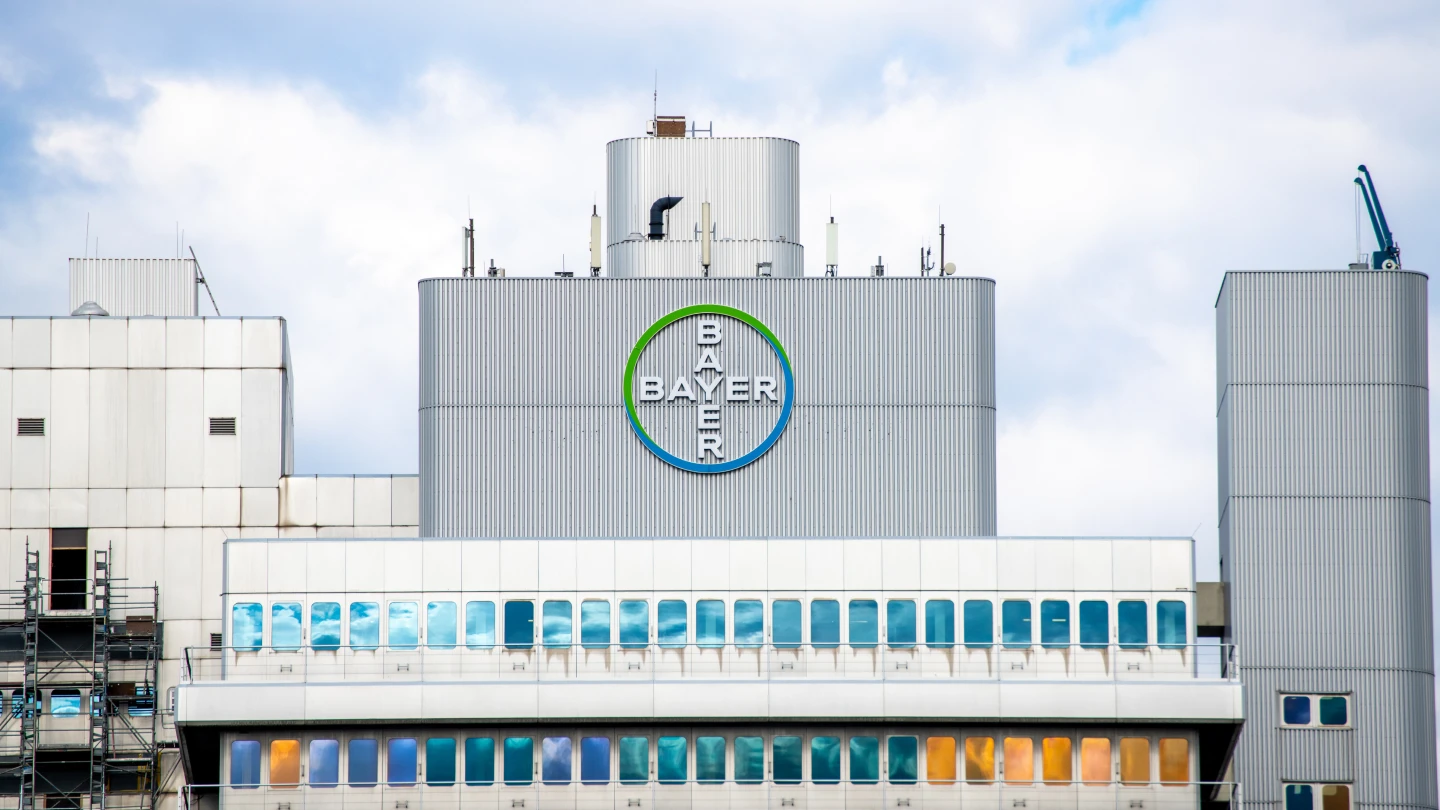
Bayer’s Kerendia, at the center of a $3 billion sales forecast, reduced the risk of cardiovascular death and heart failure in a Phase III trial.

The highly anticipated results come as the company makes significant changes to its C-suite. Despite the turnover, Dyne said it is looking toward expedited approval pathways for its DMD treatment.

The BTK inhibitor showed promise in non-relapsing secondary progressive multiple sclerosis but not relapsing MS. The company said it plans to apply for approval for the former “as soon as possible.”

Novo Nordisk’s continuing supply problems for semaglutide come as the pharma tries to expand the drug’s indication, opening it up to more patients—and potentially to heavier production pressures.

Unlike Pfizer/BioNTech and Moderna, Novavax does not use mRNA technology for its COVID-19 vaccine, instead opting for a recombinant version of the virus’ spike protein to elicit protection.

With promising early results, cell and gene therapies are making headway against both rare and common ocular and auditory diseases.