
News

Korsana’s lead program uses a next-generation shuttling technology to improve delivery into the brain and lower the incidence of amyloid-related imaging abnormalities.


FEATURED STORIES

Regulatory uncertainty is no longer background noise. It is a material investment risk that reshapes how capital is deployed and pipelines are prioritized.

Long an R&D company that partnered off assets, RNAi biotech Ionis Pharmaceuticals shifted in 2025 to bring two medicines to market alone. Analysts are already impressed—and there’s more to come in 2026.

An analysis finds that pharmas frequently file multiple similar patents on drugs, then use them as the basis for questionable litigation against would-be competitors.



FROM OUR EDITORS
Read our takes on the biggest stories happening in the industry.

The FDA’s refusal to review Moderna’s mRNA-based flu vaccine is part of a larger communications crisis unfolding at the agency over the past nine months that has also ensnarled Sarepta, Capricor, uniQure and many more.
THE LATEST

Stifel analysts said the deal “feels like an unremarkable outcome for a company that was once one of the hottest stories in CNS.” Supernus’ offer beats Biogen’s unsolicited bid of about $7.22 per share, which arrived with a thud in late January.

Analysts at Truist Securities called J&J’s CAR T readout “compelling,” noting that the efficacy figures could position the cell therapy as a formidable competitor to the current standard of care, Gilead’s Yescarta.

According to an internal email, the agency may be in for more consolidation in areas including human resources, communications, travel and acquisitions.

Sarepta’s shares crashed 41% in premarket trading Monday morning to $21.01 after the biotech reported a second death from acute liver failure, a known side effect of adeno-associated virus-based gene therapies.

AstraZeneca, Pfizer and more are leveraging the computational power of AI to better design trials, predict the potential efficacy and safety profiles of their molecules and synthesize massive multi-omic information to gain a more complete understanding of challenging cancers.

While cancelled NIH grants and regulatory uncertainty are less hospitable to clinical research in the U.S., Europe must play its cards right to attract more studies.

Later this month, HHS Secretary Robert F. Kennedy Jr.'s revamped CDC vaccine advisory committee will discuss RSV vaccination guidelines for the newly approved patient group, high-risk adults 18 through 49. Analysts and other experts have warned that the new panel includes some who have documented anti-vaccine sentiments as well as those who have spoken out against mRNA technology specifically.
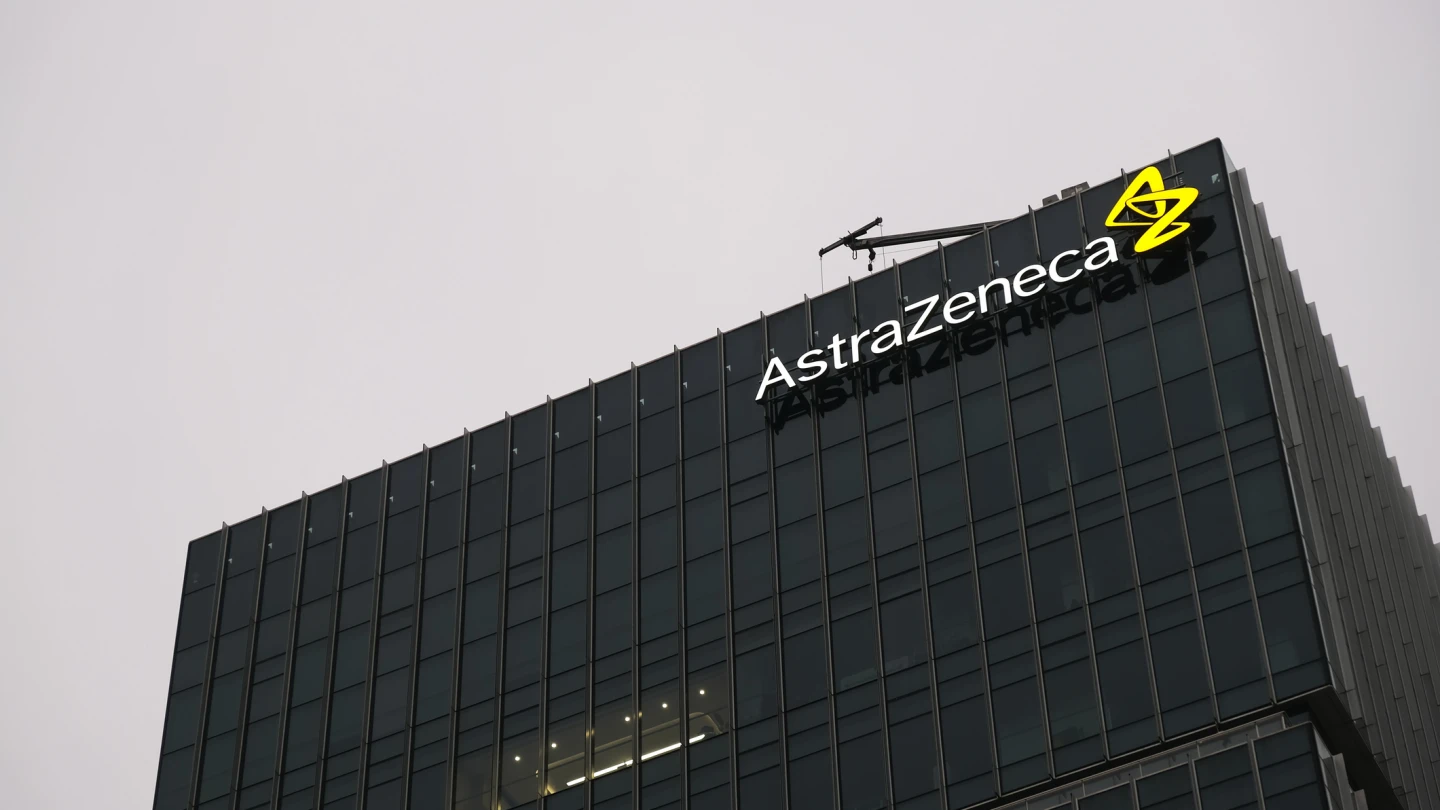
Friday’s deal with CSPC fits neatly within AstraZeneca’s business development strategy of upping investments in AI and in China.

Martin Kulldorff and Robert Malone, both outspoken vaccine skeptics, have received compensation for their expert participation in various vaccine-related cases against Merck.

The FDA’s Oncologic Drugs Advisory Committee narrowly voted against the approval of Zusduri, citing the lack of a completely randomized study to back up the application.