
News

Last month, biopharmas let go or projected they would let go of less than 500 people combined, based on BioSpace estimates, down almost 1,000 from January 2025. Still, competition for open jobs remains strong, with employed and unemployed biotech and pharma professionals eyeing their next roles.


FEATURED STORIES

A rapturous response to data published last year for Pelage’s hair loss candidate overwhelmed the biotech. Now, the company is ready to show the world the science behind the breakthrough.

Pfizer, Eli Lilly, Novartis, Bristol Myers Squibb and AstraZeneca are all ramping up the use of AI, but drug discovery is not the primary success story—yet.

Analysts, investors and scientists are eager for Biogen’s 2026 BIIB080 readout. Even if successful, executives warn that there are many more steps before the Alzheimer’s therapy could reach the market.




FROM OUR EDITORS
Read our takes on the biggest stories happening in the industry.

Novo Nordisk and Eli Lilly have been battling head-to-head in an exploding obesity market. They should never have been compared apples to apples.
THE LATEST

Having difficult conversations with the right mindset can build trust and further develop your relationship with your team.

Getting caught between younger team members and older bosses can be stressful for millennial managers. A leadership expert and millennial manager share tips for bridging the gap between these groups.

Eli Lilly offers weight loss drug Zepbound directly to consumers while Novo Nordisk continues to struggle with supply challenges for its own GLP-1s. Meanwhile, gene therapies for retinal diseases target competitive market, and layoffs persist.

The intellectual property landscape for newer gene-editing technologies, like that for CRISPR-Cas9, remains unclear and hard to navigate.

Analysts expect the companies’ Vabysmo and Eylea HD to generate a combined $13.2 billion by 2030 in the vascular endothelial growth A therapy market, as healthcare providers and patients switch from older products.

Astellas Gene Therapies is closing its San Francisco biomanufacturing facility, shifting gene therapy manufacturing to North Carolina, cutting at least 17 employees and affecting dozens more.
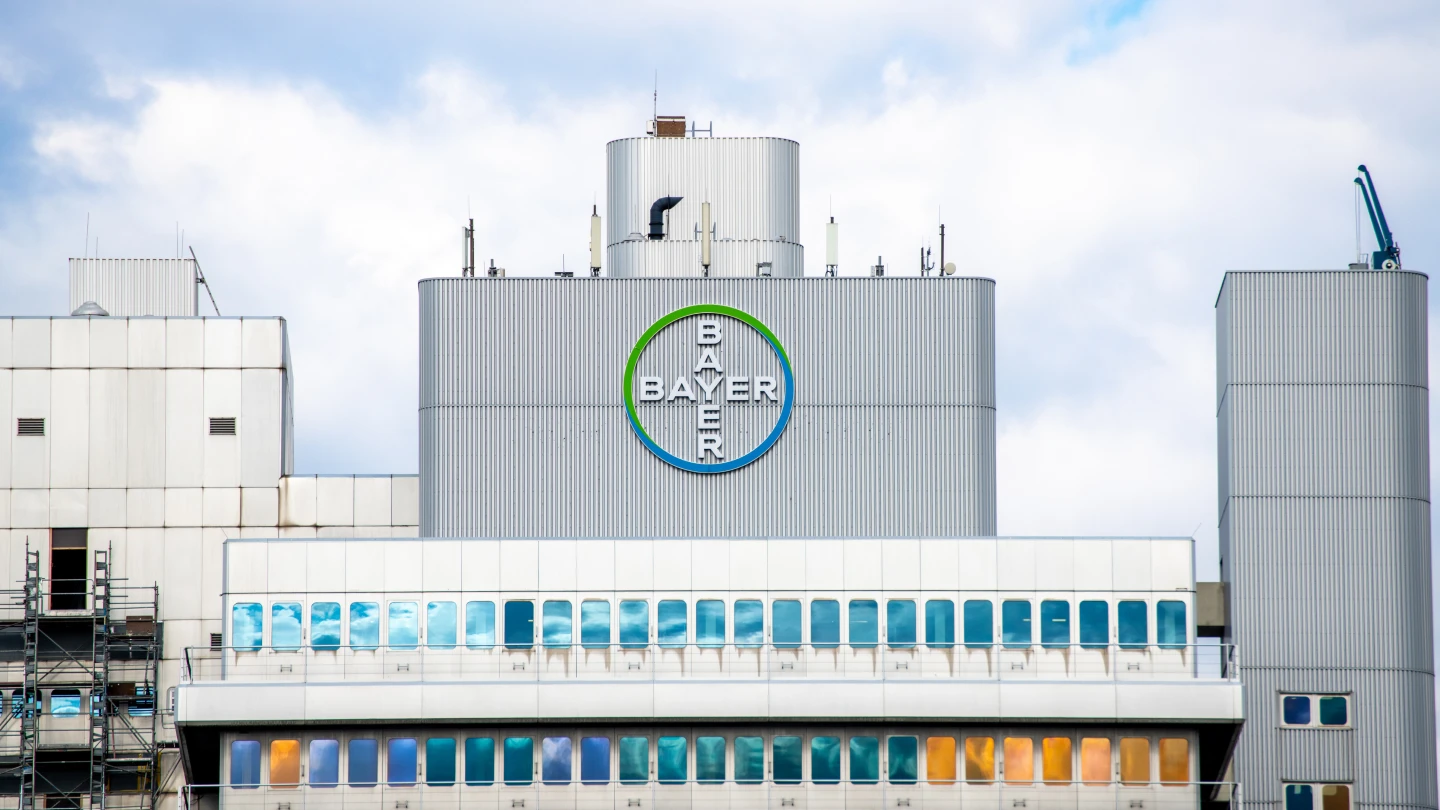
Bayer’s Kerendia, at the center of a $3 billion sales forecast, reduced the risk of cardiovascular death and heart failure in a Phase III trial.

The highly anticipated results come as the company makes significant changes to its C-suite. Despite the turnover, Dyne said it is looking toward expedited approval pathways for its DMD treatment.

The BTK inhibitor showed promise in non-relapsing secondary progressive multiple sclerosis but not relapsing MS. The company said it plans to apply for approval for the former “as soon as possible.”

Novo Nordisk’s continuing supply problems for semaglutide come as the pharma tries to expand the drug’s indication, opening it up to more patients—and potentially to heavier production pressures.