
News

By partnering with a UN-backed body, Roche has enabled companies to make the medicine for supply in 129 countries.


FEATURED STORIES

While the pathogen appears unlikely to trigger a pandemic, analysts see potential for Moderna to build goodwill amid a period of political pressure on vaccine manufacturers.

Clinical trial setbacks have limited the near-term opportunities for some of Daiichi Sankyo’s ADCs but the drug developer is betting near-term readouts will catapult it into the top tier of oncology companies in the coming years.

BioSpace analyzed the pay ratio across 10 major pharmaceutical companies to determine which CEOs were paid the most relative to typical employees. J&J, Eli Lilly and Pfizer once again topped the list.



FROM OUR EDITORS
Read our takes on the biggest stories happening in the industry.

The Department of Health and Human Services is spinning its wheels, unable to establish steady leadership at three major divisions—the CDC and the FDA’s two primary review units.
THE LATEST

Analysts expect the companies’ Vabysmo and Eylea HD to generate a combined $13.2 billion by 2030 in the vascular endothelial growth A therapy market, as healthcare providers and patients switch from older products.

Astellas Gene Therapies is closing its San Francisco biomanufacturing facility, shifting gene therapy manufacturing to North Carolina, cutting at least 17 employees and affecting dozens more.
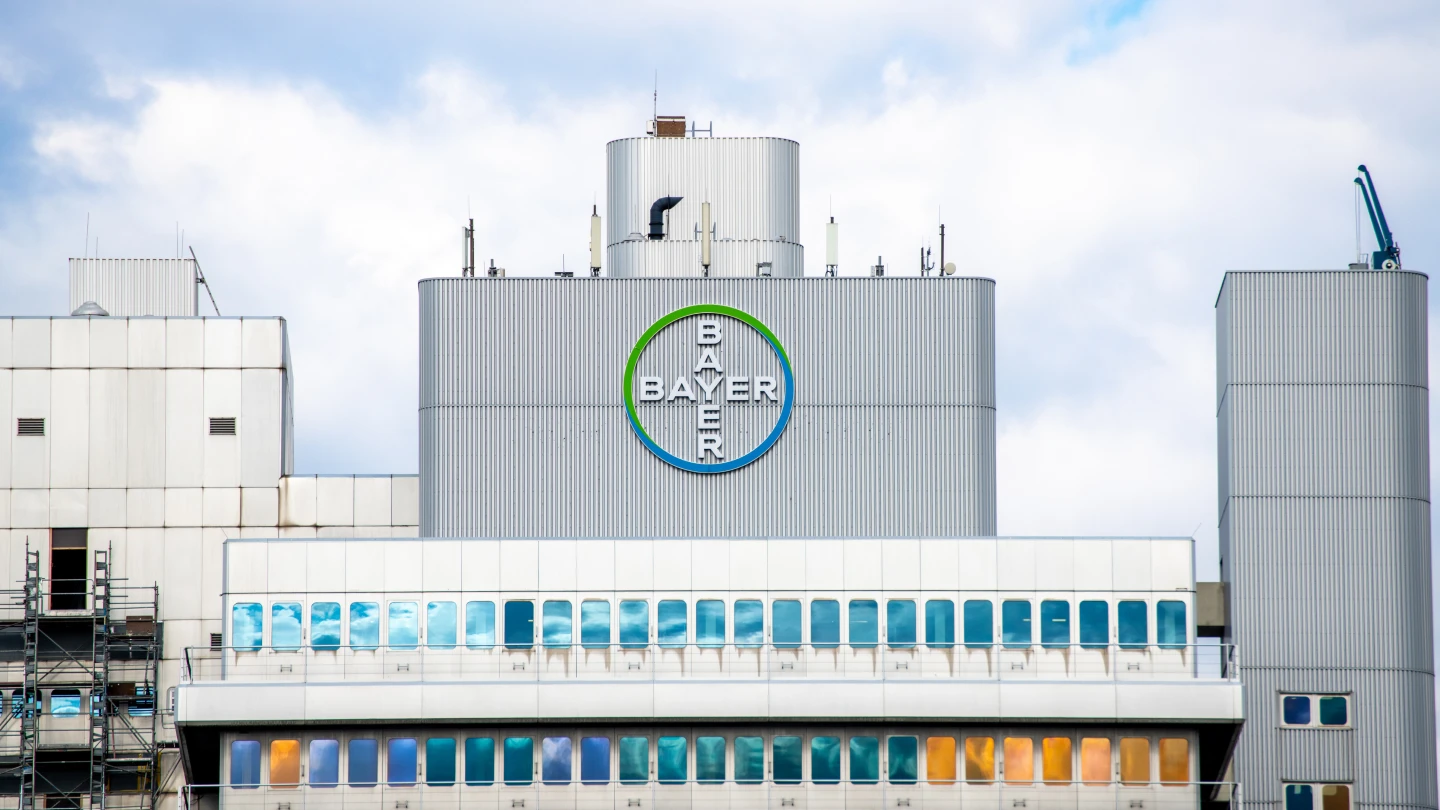
Bayer’s Kerendia, at the center of a $3 billion sales forecast, reduced the risk of cardiovascular death and heart failure in a Phase III trial.

The highly anticipated results come as the company makes significant changes to its C-suite. Despite the turnover, Dyne said it is looking toward expedited approval pathways for its DMD treatment.

The BTK inhibitor showed promise in non-relapsing secondary progressive multiple sclerosis but not relapsing MS. The company said it plans to apply for approval for the former “as soon as possible.”

Novo Nordisk’s continuing supply problems for semaglutide come as the pharma tries to expand the drug’s indication, opening it up to more patients—and potentially to heavier production pressures.

Unlike Pfizer/BioNTech and Moderna, Novavax does not use mRNA technology for its COVID-19 vaccine, instead opting for a recombinant version of the virus’ spike protein to elicit protection.

With promising early results, cell and gene therapies are making headway against both rare and common ocular and auditory diseases.

The FDA has three regulatory milestones in the next two weeks, including a decision on a subcutaneous formulation of an effective multiple sclerosis therapy.

With gene therapies by REGENXBIO and AbbVie, Adverum and others in mid- or late-stage trials, this therapeutic class could soon be an option for this common cause of blindness in the elderly.