
News

Novartis and Unnatural Products did not specify which disease targets they’re going after, only noting that the latter’s macrocyclic platform can generate potentially next-generation therapies that could apply to cardiovascular conditions.


FEATURED STORIES

FDA vouchers are normally a coveted prize for biopharma companies, but a surprise rejection for Disc Medicine’s rare disease drug has biopharma reconsidering.

PitchBook’s 2025 biopharma VC analysis clocked $33.8 billion in capital dispatched in 2025, mainly to companies with later-stage programs ready to roll into the clinic.

Long an R&D company that partnered off assets, RNAi biotech Ionis Pharmaceuticals shifted in 2025 to bring two medicines to market alone. Analysts are already impressed—and there’s more to come in 2026.



FROM OUR EDITORS
Read our takes on the biggest stories happening in the industry.

The FDA’s refusal to review Moderna’s mRNA-based flu vaccine is part of a larger communications crisis unfolding at the agency over the past nine months that has also ensnarled Sarepta, Capricor, uniQure and many more.
THE LATEST

Getting caught between younger team members and older bosses can be stressful for millennial managers. A leadership expert and millennial manager share tips for bridging the gap between these groups.

Eli Lilly offers weight loss drug Zepbound directly to consumers while Novo Nordisk continues to struggle with supply challenges for its own GLP-1s. Meanwhile, gene therapies for retinal diseases target competitive market, and layoffs persist.

The intellectual property landscape for newer gene-editing technologies, like that for CRISPR-Cas9, remains unclear and hard to navigate.

Analysts expect the companies’ Vabysmo and Eylea HD to generate a combined $13.2 billion by 2030 in the vascular endothelial growth A therapy market, as healthcare providers and patients switch from older products.

Astellas Gene Therapies is closing its San Francisco biomanufacturing facility, shifting gene therapy manufacturing to North Carolina, cutting at least 17 employees and affecting dozens more.
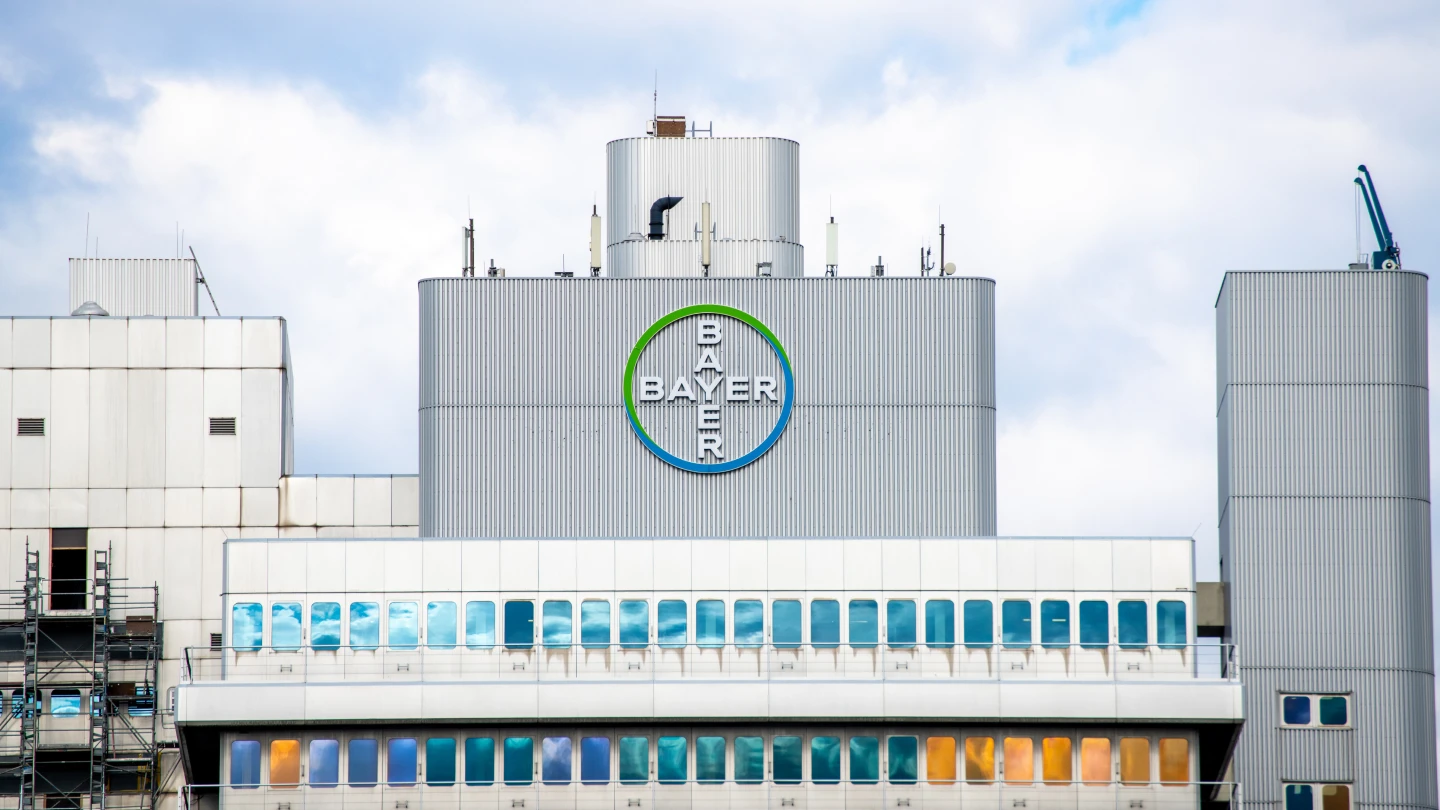
Bayer’s Kerendia, at the center of a $3 billion sales forecast, reduced the risk of cardiovascular death and heart failure in a Phase III trial.

The highly anticipated results come as the company makes significant changes to its C-suite. Despite the turnover, Dyne said it is looking toward expedited approval pathways for its DMD treatment.

The BTK inhibitor showed promise in non-relapsing secondary progressive multiple sclerosis but not relapsing MS. The company said it plans to apply for approval for the former “as soon as possible.”

Novo Nordisk’s continuing supply problems for semaglutide come as the pharma tries to expand the drug’s indication, opening it up to more patients—and potentially to heavier production pressures.

Unlike Pfizer/BioNTech and Moderna, Novavax does not use mRNA technology for its COVID-19 vaccine, instead opting for a recombinant version of the virus’ spike protein to elicit protection.