
News

Viatris, which Pfizer created in 2020, voluntarily withdrew extended-release products made at a plant in Ireland after an analysis revealed an issue that could affect bioavailability.


FEATURED STORIES

After Replimune’s advanced melanoma drug was rejected for a second time, CEO Sushil Patel slammed the FDA for failing to exercise regulatory flexibility, while other experts bemoaned the agency’s lack of consistency. With new safety guidelines for gene editing therapies, the FDA has taken a first step toward fixing both problems.

The Merck update, which will shed light on a $588 million bet to succeed Keytruda, is part of a roster of presentations that could shape the future of ADCs, protein degraders and KRAS-targeted therapies.

Gilead, AstraZeneca and Vertex have acquired more than just a therapeutic asset in recent deals. BioSpace takes a look at five recent transactions where the staff was the real centerpiece.



FROM OUR EDITORS
Read our takes on the biggest stories happening in the industry.

Novo Nordisk’s oral Wegovy has a few months’ head start on Eli Lilly’s newly approved pill. While the Indianapolis pharma has come from behind the Danish rival in the weight loss space before, last time it clearly had the better drug.
THE LATEST

In this deep dive, BioSpace investigates China’s rise as a biotech powerhouse.

Intellia earlier this year reported a similar grade 4 liver enzyme elevation associated with the gene therapy nexiguran ziclumeran, though analysts at BMO Capital Markets at the time brushed it off as a “non-concern.”

The takeover of its competitor, announced Sunday, could also bring some attention to Dyne Therapeutics, which has a similar RNA-based pipeline in rare muscle diseases.
Lynkuet is the first FDA-approved therapy that blocks both the neurokinin 1 and neurokinin 3 receptors to treat hot flashes.
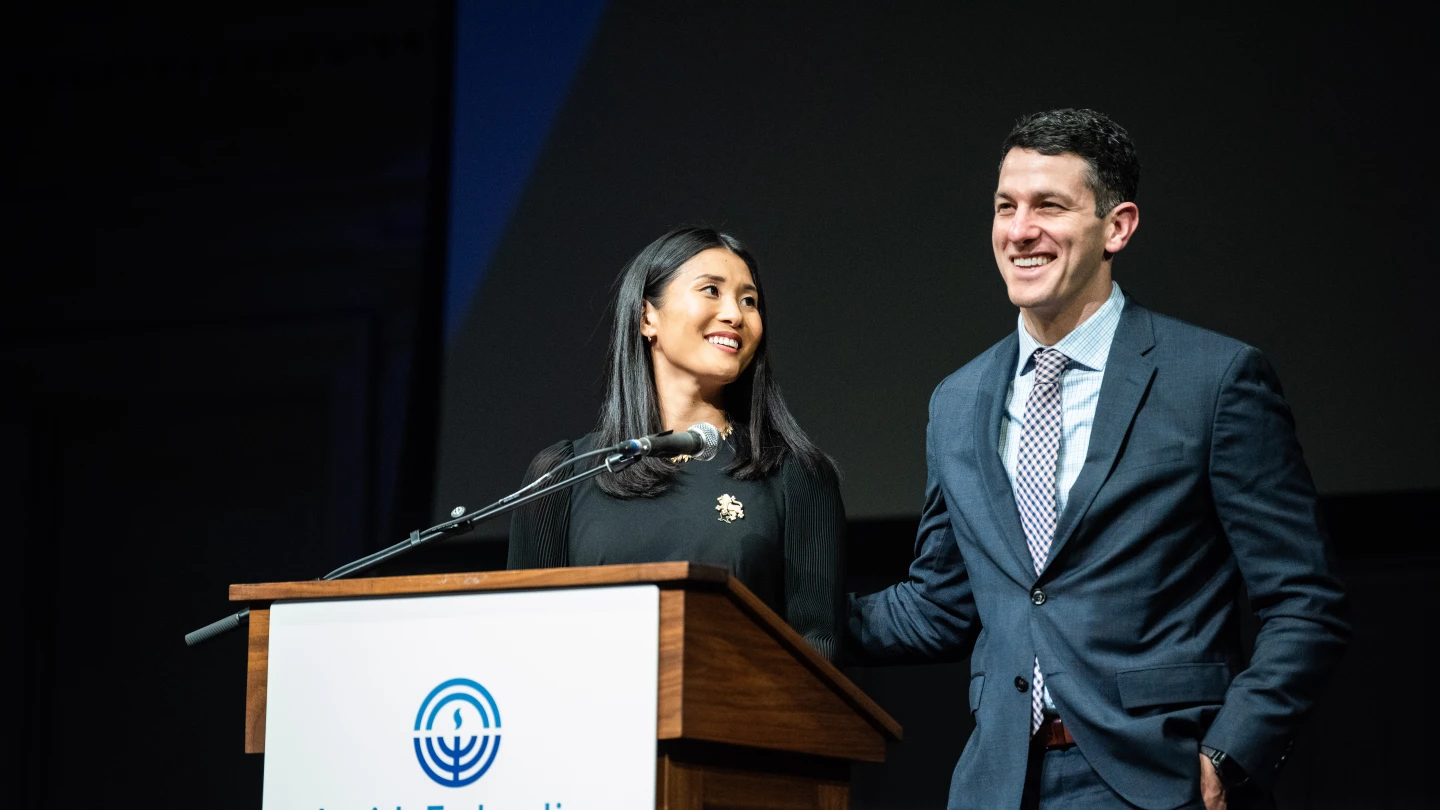
The BioSpace 40 Under 40 winner opens up about his very personal career transformation from wealth management to biotech—and what it’s like to develop a drug for amyotrophic lateral sclerosis and frontotemporal dementia as a potential patient himself.

Last month, “historic positive results” from uniQure’s gene therapy snapped the Huntington’s community out of years of failure. As the biotech prepares to submit for FDA approval, BioSpace looks at four more candidates on the near horizon.

Pivotal results from uniQure’s gene therapy for Huntington’s disease have brought new light to patients who have known only disappointment in recent years—but one expert worries that communication of the results is creating “false expectations.”
The deal, announced early Sunday afternoon, will see Novartis gain access to Avidity’s neuroscience assets, while the San Diego biotech spins out a new company to shepherd its early-stage precision cardiology programs.
The $70 million upfront deal adds to a portfolio of drugs Biogen has been growing in various immunological conditions since 2024.

The cornerstone of the deal is Ixo-vec, an intravitreal gene therapy currently in Phase III development for wet age-related macular degeneration. Eli Lilly made another foray into genetic medicine in June, picking up Verve Therapeutics for up to $1.3 billion.