
News

While Daiichi Sankyo brought in $13.4 billion in 2025, setbacks forced the company to update its antibody-drug conjugate forecast, pushing demand below the minimum supply agreed upon with CMOs and prompting the cancellation of an in-house investment.


FEATURED STORIES

The Department of Health and Human Services is spinning its wheels, unable to establish steady leadership at three major divisions—the CDC and the FDA’s two primary review units.

Robert F. Kennedy Jr.’s health department has consistently touted radical transparency as being key to its mission. Recent instances—the FDA’s decision not to disclose the recipients of three Commissioner’s National Priority Vouchers and FDA and CDC choices not to publish vaccine-related papers—call this intent into question.

In Salt Lake City, biotech founders new and seasoned reflect on ways to ride out the industry’s challenges, such as sending cold emails to investors and learning to address leadership weaknesses.





FROM OUR EDITORS
Read our takes on the biggest stories happening in the industry.

Neal and Azbee awards have validated our approach to reporting on the industry at a time of unprecedented shifts at the FDA and other federal agencies.
THE LATEST

Recursion’s oral drug candidate for cerebral cavernous malformation showed no improvements in patient- or physician-reported outcomes at 12 months. The biotech will engage with the FDA to determine the need for an additional study.

Big Pharma has finally gotten its arms around something advocates have wanted for a long time: direct-to-consumer sales. Eli Lilly and Pfizer are leading the way.

Having difficult conversations with the right mindset can build trust and further develop your relationship with your team.

Getting caught between younger team members and older bosses can be stressful for millennial managers. A leadership expert and millennial manager share tips for bridging the gap between these groups.

Eli Lilly offers weight loss drug Zepbound directly to consumers while Novo Nordisk continues to struggle with supply challenges for its own GLP-1s. Meanwhile, gene therapies for retinal diseases target competitive market, and layoffs persist.

The intellectual property landscape for newer gene-editing technologies, like that for CRISPR-Cas9, remains unclear and hard to navigate.

Analysts expect the companies’ Vabysmo and Eylea HD to generate a combined $13.2 billion by 2030 in the vascular endothelial growth A therapy market, as healthcare providers and patients switch from older products.

Astellas Gene Therapies is closing its San Francisco biomanufacturing facility, shifting gene therapy manufacturing to North Carolina, cutting at least 17 employees and affecting dozens more.
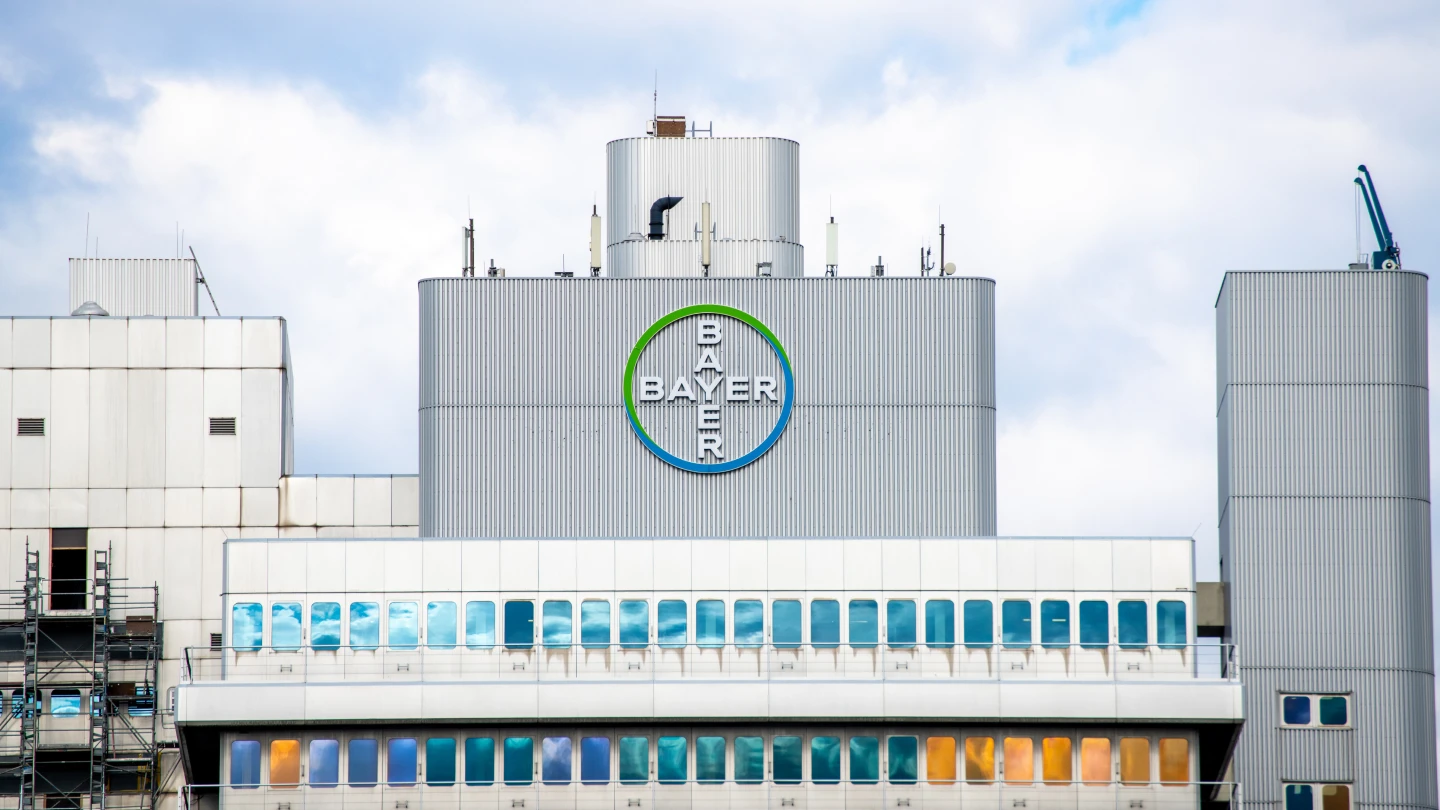
Bayer’s Kerendia, at the center of a $3 billion sales forecast, reduced the risk of cardiovascular death and heart failure in a Phase III trial.

The highly anticipated results come as the company makes significant changes to its C-suite. Despite the turnover, Dyne said it is looking toward expedited approval pathways for its DMD treatment.