
News

Early-stage financing rounds are on track to hit their lowest dollar value in years as funders continue to eschew risky investments, experts told BioSpace.


FEATURED STORIES

After debuting on the public markets with $256.3 million and raking in an additional $472 million, Veradermics has emerged as one of biotech’s biggest post-IPO standouts. CEO Reid Waldman credits the weight loss craze for establishing consumer-driven channels.

Molecular glue degraders are gaining traction in the clinic as well as funding from Big Pharma, with their potential to treat previously “undruggable” cancers and immunological diseases. Here are five clinical programs worth keeping an eye on.

Last month, the FDA launched TrialBlazer, intended to streamline the IND path and bring early clinical trials and medical innovation home to the U.S. It’s a start, but new agency leadership must see it through.





FROM OUR EDITORS
Read our takes on the biggest stories happening in the industry.

Congressional letters sent to the CEOs of Eli Lilly, Pfizer, Merck, BMS and AbbVie this week voicing concerns about the pharmas’ clinical trials in China highlight an ongoing discrepancy in how government and industry think about the rise of the Asian country’s biotech industry.
THE LATEST

President Donald Trump last week announced that 100% pharma tariffs would come Oct. 1, but a White House official has clarified that that’s when the government will “begin preparing” the levies.

Takeda is looking to offload its cell therapy platform and preclinical assets to a yet-unidentified external partner. 137 employees will be let go as part of the move.

With layoffs happening at biopharma companies of all sizes, some may wonder which jobs are safest. Talent acquisition experts spoke to BioSpace about the areas and roles they recommend to biotech and pharma professionals hoping to avoid staff cuts.

At the heart of the agreement is Pfizer’s $70 billion commitment to U.S.-based manufacturing and an exemption from tariffs for three years. While the reaction was mostly positive from Wall Street, other observers noted that the benefits for patients are unclear at best.

As with recent rejections for Biogen and Scholar Rock, manufacturing issues stymied a regulatory bid from Fortress Biotech and Sentynl Therapeutics. Fortress said the FDA did not flag problems with the drug’s safety or efficacy.

Due to policies regarding industry user fees, the FDA will not be able to accept any new drug applications for the duration of the government shutdown, according to Leerink Partners.

The business separation, expected to be completed by the end of 2026, will result in two new companies, one focused on biopharma operations and the other on royalty management.
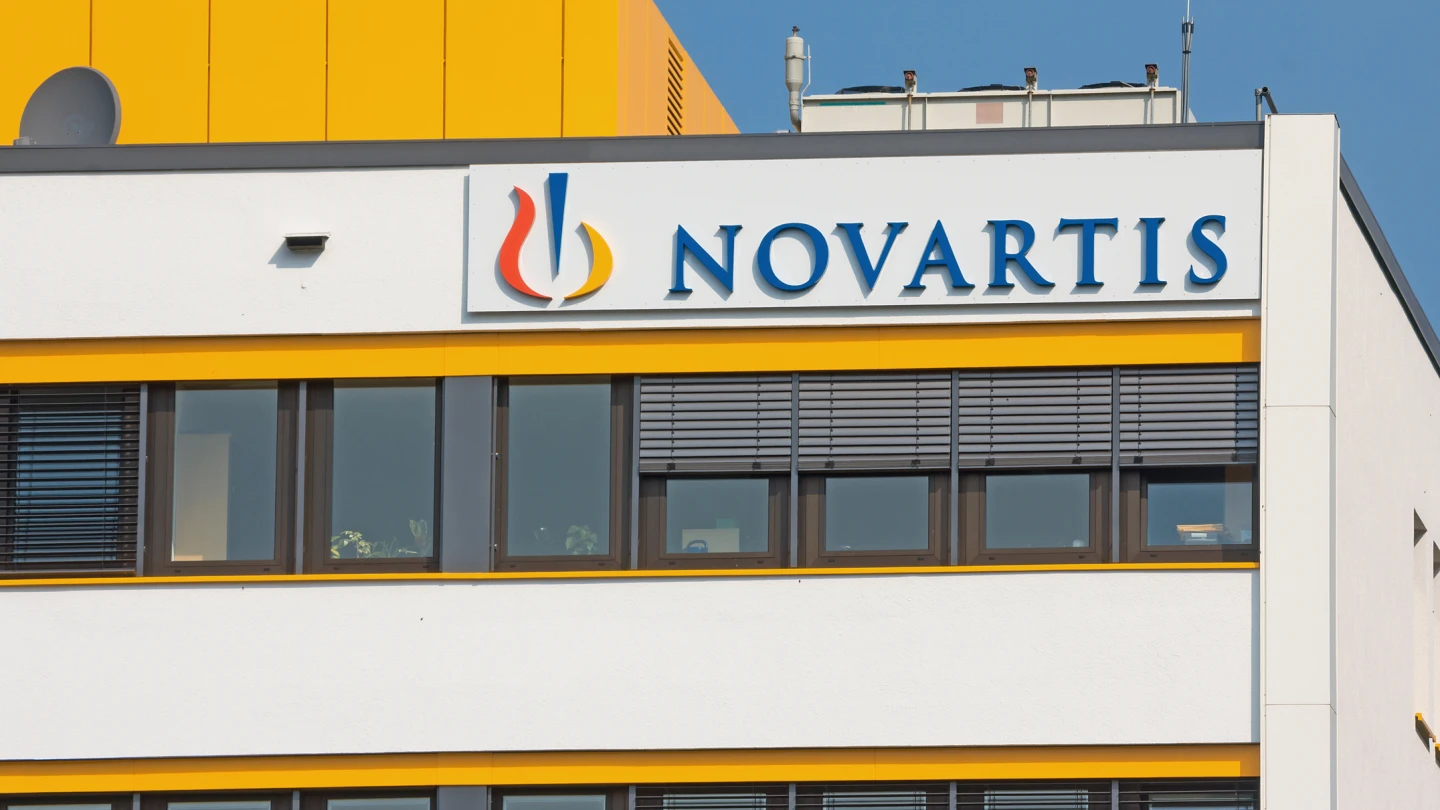
The first oral BTK blocker for chronic spontaneous urticaria, Rhapsido offers a more convenient treatment option for patients who still show symptoms after antihistamine treatment.

Novo Nordisk and Heartseed first partnered in 2021 to develop an investigational cell therapy for heart failure.

M&A headlined for a second straight week as Genmab acquired Merus for $8 billion; Pfizer strikes most-favored-nation deal with White House; CDER Director George Tidmarsh caused a stir with a now-deleted LinkedIn post; GSK CEO Emma Walmsley will step down from her role; and uniQure’s gene therapy offers new hope for patients with Huntington’s disease.