
News

Who is the highest paid CEO in all of pharma? In this special edition, BioSpace examines top paid CEOs and their pay packages.


FEATURED STORIES

A recent FDA reversal sparked new hope for patients with Huntington’s disease. Flying under the radar, Skyhawk Therapeutics revealed 12-month functional data from a midstage trial of its own candidate showing improvements on a key disease measurement scale.

Recent approvals for Corcept Therapeutics and Merck have injected momentum into the space, where GSK, Allarity Therapeutics, OSE Immunotherapies and others are advancing their own candidates.

The FDA plans to hold an advisory committee meeting to discuss Capricor Therapeutics’ application for deramiocel, which the agency rejected last July. The news surprised CEO Linda Marbán, who told BioSpace the FDA has not communicated any issues of concern with the company’s resubmitted application.



FROM OUR EDITORS
Read our takes on the biggest stories happening in the industry.

If cell and gene therapy makers are going to achieve their mission to improve patients’ lives, the industry must come together to share information across stakeholders, from regulators to manufacturers to payers.
THE LATEST

The small molecule drug, acquired by Jazz Pharmaceuticals in its $935 million Chimerix pick-up this spring, is intended for relapsed adult and pediatric patients with H3 K27M mutations.
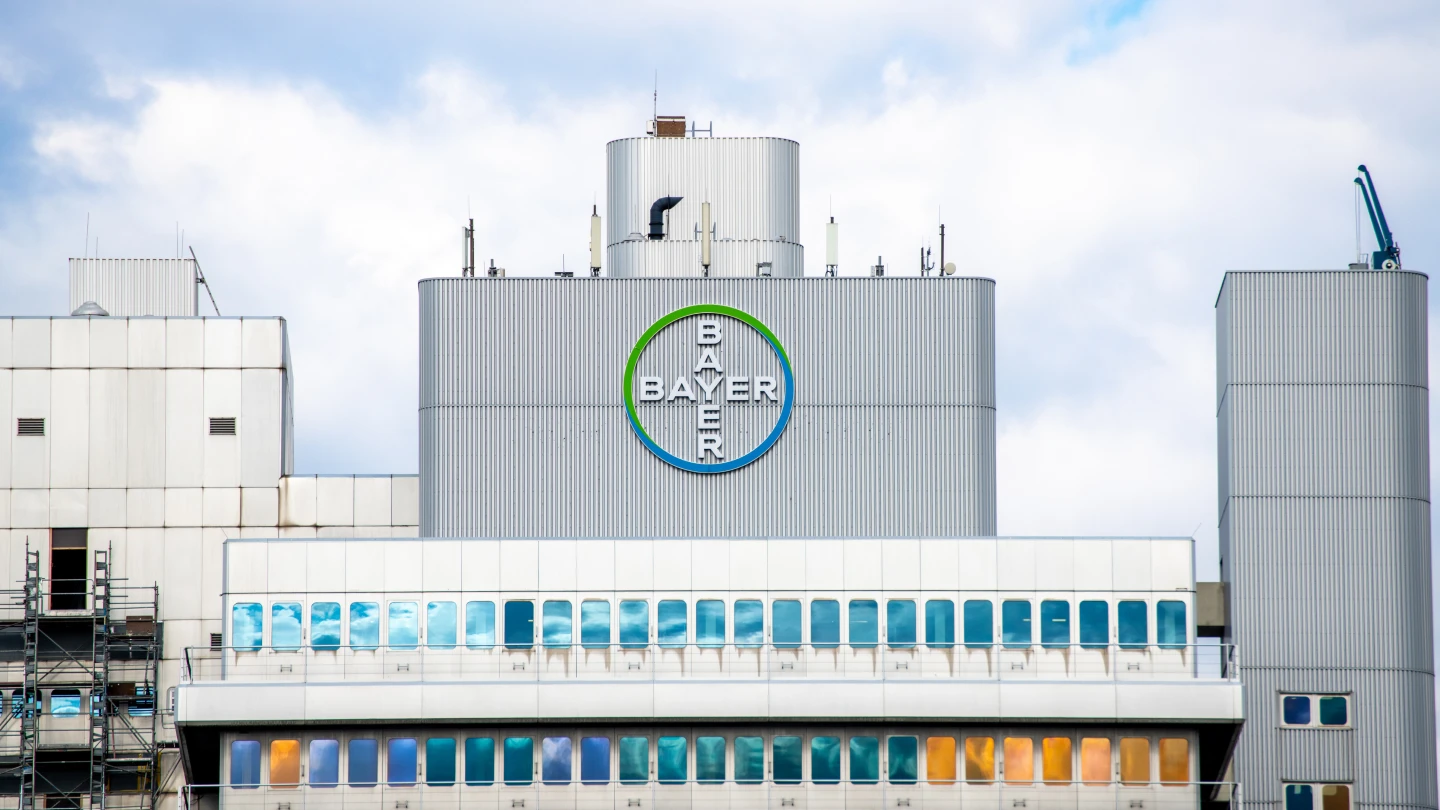
The German giant has already trimmed more than 10,000 employees since initiating a massive restructuring initiative in July 2023. Bayer said even more cuts are coming as it weathers up-and-down sales across its portfolio.

Terns, once a rising star in obesity and the MASH space, will refocus on cancer and partner out a handful of obesity assets.

Maziar Mike Doustdar, who was named as Novo Nordisk’s new CEO last week, spoke on a second quarter earnings call of reallocating resources to the company’s “main core” of metabolic disease.

President Donald Trump plans to start with a “small tariff” on pharmaceutical imports before ramping duties up to 250% within a year and a half.

BioNTech also laid off 63 employees in June in conjunction with the discontinuation of its cell therapy manufacturing operations in Gaithersburg, Maryland.

The Department of Health and Human Services is terminating around $500 million in BARDA contracts associated with mRNA vaccine development, a move that will affect several pharma companies, including Moderna, Pfizer, Sanofi and AstraZeneca.

From tariffs to drug pricing to the FDA, biopharma CEOs find themselves pulled into policy discussions on this year’s second quarter earnings calls.

George Tidmarsh takes over temporarily at CBER following Vinay Prasad’s abrupt departure; Replimmune trial leaders protest rejection reportedly driven by FDA’s top cancer regulator Richard Pazdur; Merck’s $3 billion savings push claims 6,000 jobs; and Pfizer CEO Albert Bourla addresses President Donald Trump’s new threats around Most Favored Nation drug pricing.

The regulatory environment is placing extreme pricing pressure on pharmaceutical manufacturers. Their success in the market depends on mounting an agile response.