
News

In this episode of Denatured, you’ll hear from Jack Crawford, CEO of Demeetra, and Magnus Gustavsson, chief commercial officer at NorthX Biologics. We unpack the evolution of cell line development — CHO cells, targeted integration, transposases and the collaboration models speeding biologics from sequence to GMP.


FEATURED STORIES

Psychedelics are gaining momentum in depression, with one treating physician predicting that the drug class could “wipe out the SSRIs” if safety and durability hold up.

Saol Therapeutics is the latest biotech to resubmit for approval of a drug rejected under former FDA Commissioner Marty Makary, following REGENXBIO and Replimune.

Even as FDA approvals for biologic therapies fell in the first half of 2026, regulatory experts are optimistic about a turnaround in the rare disease space after the departure of key leaders at the agency. Still, there will continue to be tension between science and politics.





FROM OUR EDITORS
Read our takes on the biggest stories happening in the industry.

Congressional letters sent to the CEOs of Eli Lilly, Pfizer, Merck, BMS and AbbVie this week voicing concerns about the pharmas’ clinical trials in China highlight an ongoing discrepancy in how government and industry think about the rise of the Asian country’s biotech industry.
THE LATEST

Genentech, a member of the Roche Group, plans to open the facility in 2029 to ramp up capacity to make obesity candidates, including the dual GLP-1/GIP receptor agonist CT-388.

Ahead of GSK are Bristol Myers Squibb and Merck, which have already won FDA approvals for subcutaneous formulations of their respective PD-1 blockers Opdivo and Keytruda.

The obesity market and Most Favored Nation drug pricing were among the topics de jour at the J.P. Morgan Healthcare Conference last week, while smaller biotechs sought to assure investors that their regulatory ducks are in a row; Novo Nordisk’s oral obesity pill got off to a hot start while the FDA delayed a decision on Eli Lilly’s investigational offering; and SpyGlass Pharma and AgomAb Therapeutics join the 2026 IPO club.

At some point in your research career, you may find yourself transitioning from academia to industry or vice versa. To best set yourself up for success, adapt your approach to the specific scientific culture where you work.

As drug candidates discovered via AI move into later-stage clinical trials, the technology seems to be doing as promised: speeding drug development.

Biohaven has suffered a few setbacks in recent months, including an FDA rejection and a missed $150 million benchmark payment, but CEO Vlad Coric looked for the brighter side at JPM, specifically emphasizing a serendipitous discovery that could get the company in the obesity game.

In November, Pfizer was reportedly looking to divest its stake in BioNTech, though the German biotech at the time denied these rumors.
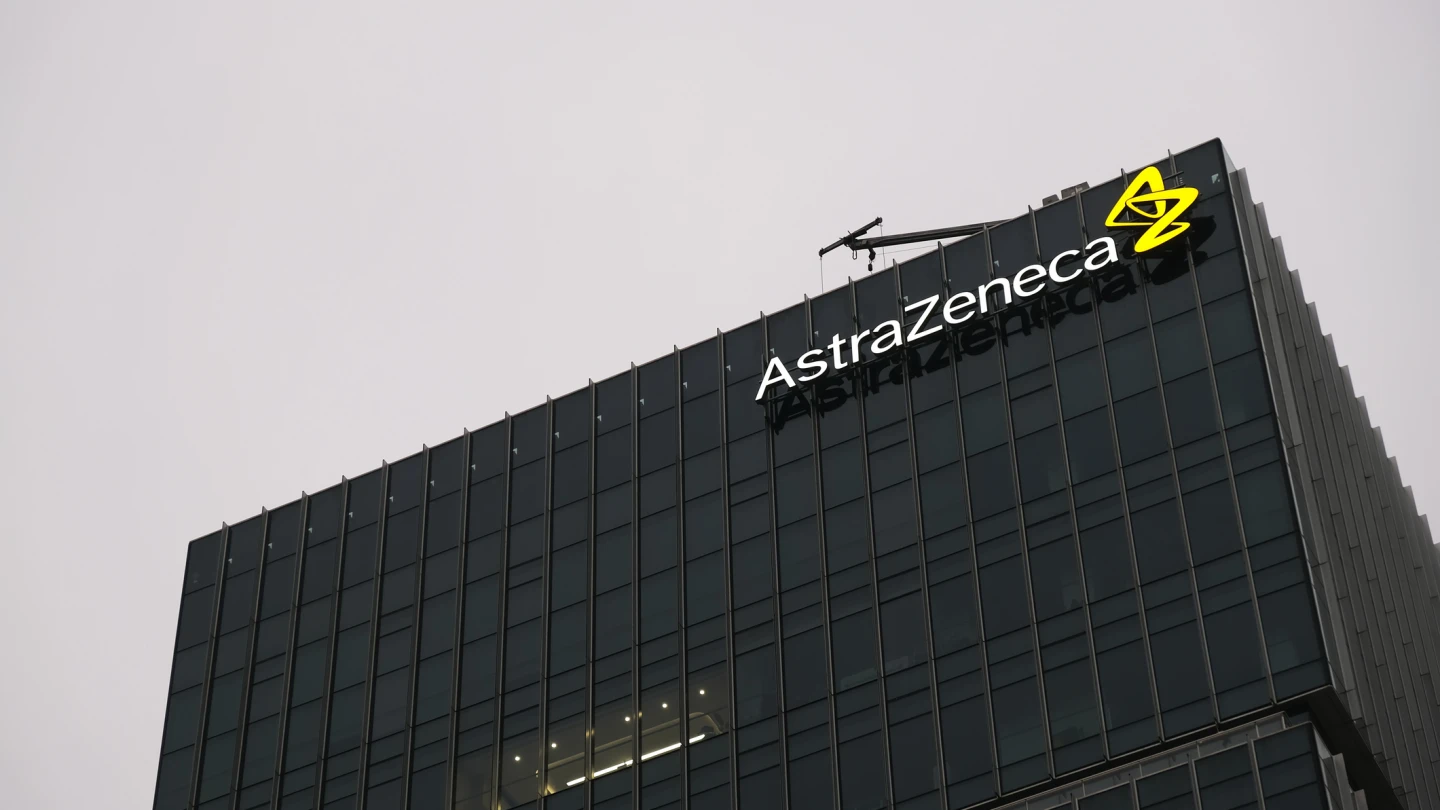
The arrangement will boost AstraZeneca’s cell therapy portfolio as the pharma targets $80 billion in revenue by 2030.

The star of the acquisition, anti-IgE antibody ozureprubart, is being tested as a prophylactic treatment for food allergies, potentially setting up a competition for GSK with Roche’s Xolair.

The companies have an expansive clinical program for the mRNA neoantigen therapy intismeran autogene in combination with immuno-oncology heavyweight Keytruda.