
News

Zymeworks announced a new plan to become a royalty-driven company last year, making Theravance a perfect match.


FEATURED STORIES

Dealmaking across biopharma is shifting dramatically as the SEC rolls out new regulations to ease burdens on newly public companies and antitrust review is replaced by drug pricing as the policy concern du jour.

When the variance can’t be modeled, even disciplined biotech investors stop deploying. Here’s the cheapest fix for biotech’s investability problem.

Dual and even triple or quadruple track processes have come roaring back in 2026 thanks to a glut of M&A that has refilled investors’ wallets. Big Pharma is being put on notice that time is critical if they want to acquire.



FROM OUR EDITORS
Read our takes on the biggest stories happening in the industry.

If cell and gene therapy makers are going to achieve their mission to improve patients’ lives, the industry must come together to share information across stakeholders, from regulators to manufacturers to payers.
THE LATEST

A new survey from CRB showed that most manufacturing initiatives in the U.S. made in response to tariffs are coming from Big Pharma companies, while smaller biotechs are left to hope “the situation doesn’t get worse.”

The inaugural 40 Under 40 cohort includes CEOs, leaders who have founded or co-founded their company and executives from a range of disciplines. Winners’ accomplishments include shaping drug development, achieving key FDA milestones and launching a new field of study.

Cell and gene therapy experts question where the FDA designation fits in an environment that features a range of intersecting regulatory perks.

A new group of CDC advisors voted last month to separate the chickenpox vaccine from the measles, mumps, rubella components of the MMRV shot due to concerns over febrile seizures, while recommending a more risk-based approach to COVID-19 immunizations that mirrors recent FDA approvals.

The hold was placed earlier this year when the FDA asked for more preclinical data, but the agency was slow to respond due to ‘strain’ on its capacity, according to Neurizon.
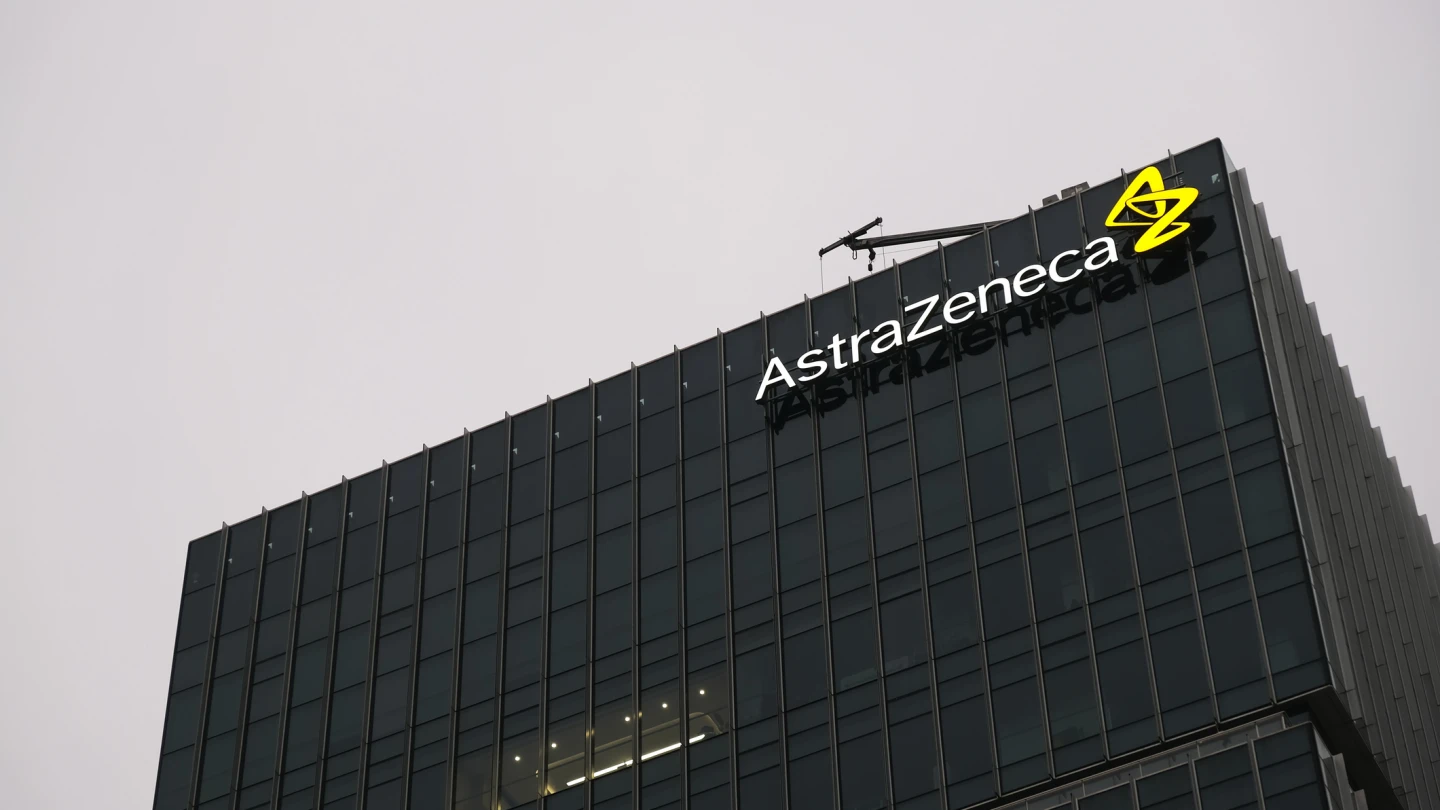
AstraZeneca has invested heavily in AI, primarily through collaborations, including an up to $5.3 billion partnership with China’s CSPC Pharmaceutical in June.

This latest FDA program aims to provide speedier reviews for generic drugmakers who produce their products in the U.S.

Rocket Pharmaceuticals’ strategic realignment initiative in July pulled funding from fanca-cel, which the biotech was developing for Fanconi anemia.

The centerpiece of the collaboration is the gene editor ABO-101, being developed for primary hyperoxaluria type 1, a rare disease that leads to severe kidney stones.

As industry leaders gather at the annual event in Phoenix, the cell and gene therapy space remains in a state of flux, with M&A activity and regulatory support signaling momentum while commercialization challenges continue to hinder broader investor interest.