
News

Maintaining America’s momentum demands that policymakers resist policies that undermine research and development incentives.


FEATURED STORIES

Many scientists-turned-CEOs paradoxically abandon scientific principles when it comes to commercializing their innovations. But applying the scientific method to business decisions can help life science entrepreneurs avoid common pitfalls, attract investment and ultimately bring transformative technologies to market.

FDA vouchers are normally a coveted prize for biopharma companies, but a surprise rejection for Disc Medicine’s rare disease drug has biopharma reconsidering.

PitchBook’s 2025 biopharma VC analysis clocked $33.8 billion in capital dispatched in 2025, mainly to companies with later-stage programs ready to roll into the clinic.




FROM OUR EDITORS
Read our takes on the biggest stories happening in the industry.

The FDA’s refusal to review Moderna’s mRNA-based flu vaccine is part of a larger communications crisis unfolding at the agency over the past nine months that has also ensnarled Sarepta, Capricor, uniQure and many more.
THE LATEST

Of the three highest bidders, Pfizer’s purchase proposal for Metsera was the lowest, regulatory documents reveal. The New York pharma, however, offered the smoothest transaction with the greatest likelihood of success.

Skye Bioscience’s nimacimab fell short of investor and company expectations, but showed encouraging weight-loss results when combined with Wegovy, according to analysts at William Blair.

Amgen will offer its lipid-lowering drug Repatha directly to patients for $239 per month, representing a nearly 60% reduction from the current wholesale acquisition cost of $527.70.

A new survey from CRB showed that most manufacturing initiatives in the U.S. made in response to tariffs are coming from Big Pharma companies, while smaller biotechs are left to hope “the situation doesn’t get worse.”

The inaugural 40 Under 40 cohort includes CEOs, leaders who have founded or co-founded their company and executives from a range of disciplines. Winners’ accomplishments include shaping drug development, achieving key FDA milestones and launching a new field of study.

Cell and gene therapy experts question where the FDA designation fits in an environment that features a range of intersecting regulatory perks.

A new group of CDC advisors voted last month to separate the chickenpox vaccine from the measles, mumps, rubella components of the MMRV shot due to concerns over febrile seizures, while recommending a more risk-based approach to COVID-19 immunizations that mirrors recent FDA approvals.

The hold was placed earlier this year when the FDA asked for more preclinical data, but the agency was slow to respond due to ‘strain’ on its capacity, according to Neurizon.
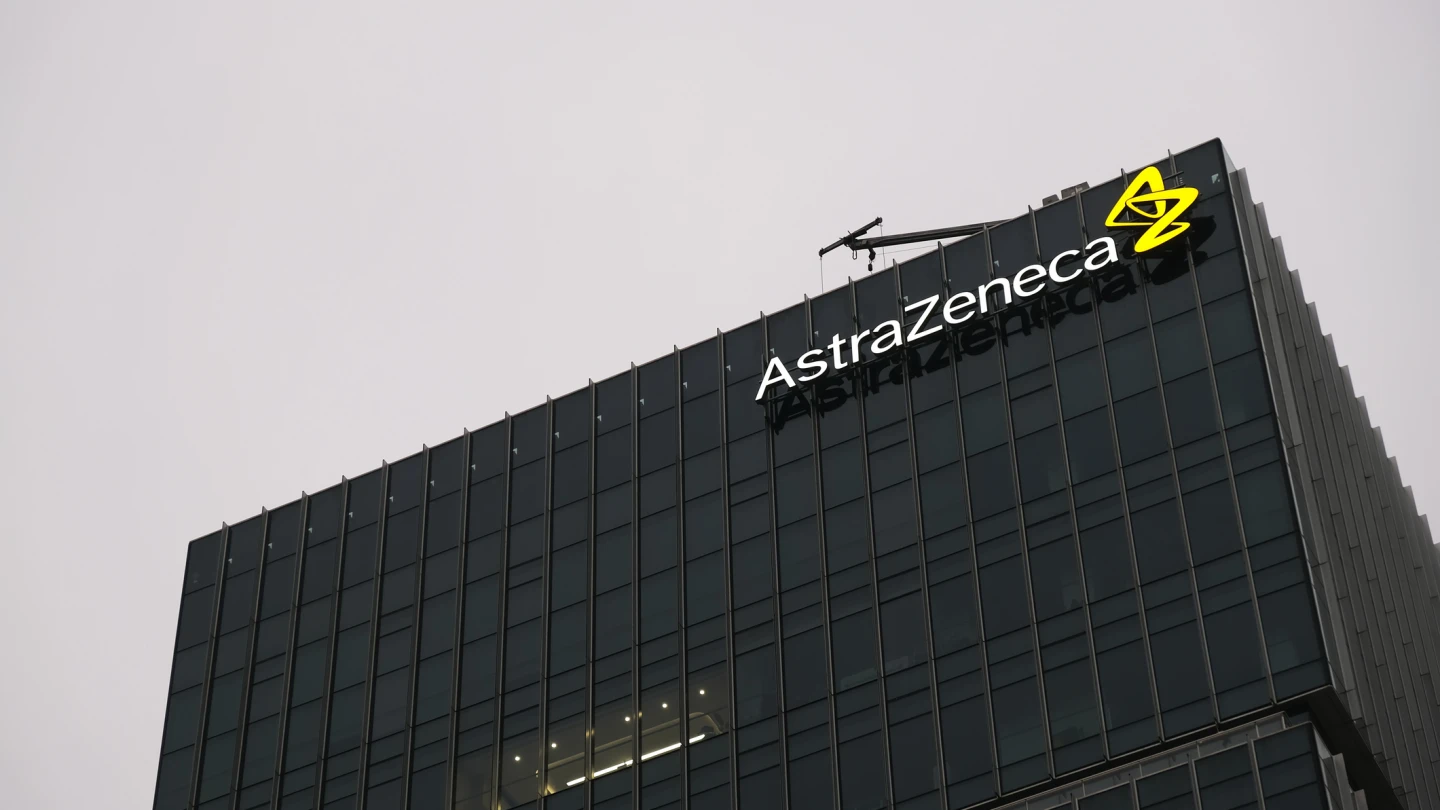
AstraZeneca has invested heavily in AI, primarily through collaborations, including an up to $5.3 billion partnership with China’s CSPC Pharmaceutical in June.

This latest FDA program aims to provide speedier reviews for generic drugmakers who produce their products in the U.S.