
News

After years of suffering from a bear market and more than 14 months of geopolitical turmoil shaking the macroenvironment, biotech appears to be moving on.


FEATURED STORIES

New guidelines from two leading medical associations suggest that efforts to reduce bad cholesterol should focus on maintaining low levels of two key lipoproteins. Big pharma is all in, looking to improve on the standard statins to help vanquish America’s number one killer: heart disease.

The FDA’s decision last year to make complete response letters public provides new insight into why therapies sometimes fail to get the regulatory greenlight. Analysts say the information could help sponsors refine their regulatory strategies.

The Department of Health and Human Services is spinning its wheels, unable to establish steady leadership at three major divisions—the CDC and the FDA’s two primary review units.





FROM OUR EDITORS
Read our takes on the biggest stories happening in the industry.

Robert F. Kennedy Jr.’s health department has consistently touted radical transparency as being key to its mission. Recent instances—the FDA’s decision not to disclose the recipients of three Commissioner’s National Priority Vouchers and FDA and CDC choices not to publish vaccine-related papers—call this intent into question.
THE LATEST

As scrutiny of pharmacy benefit managers mounts, a House committee will hold a hearing on the alleged anticompetitive business practices of these middlemen.
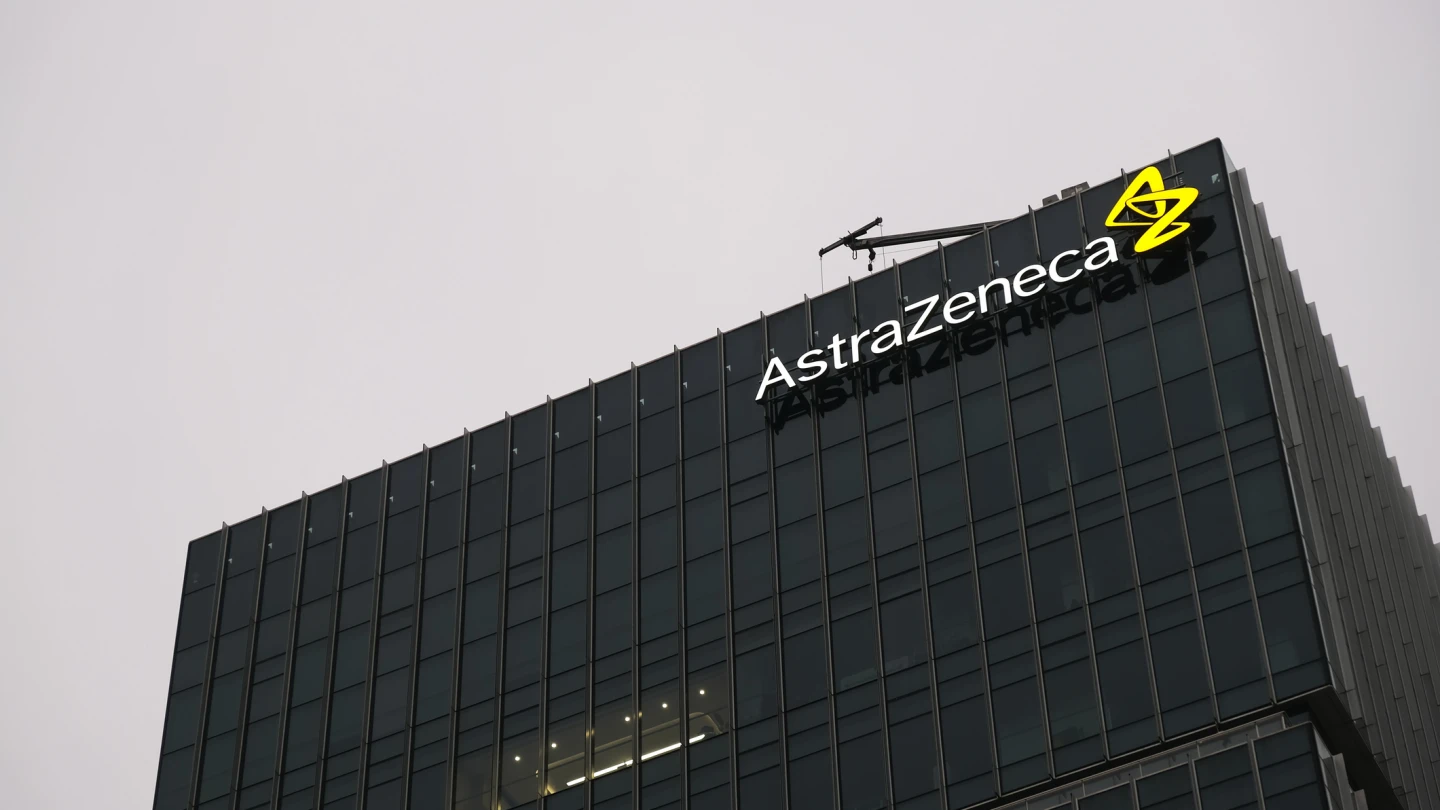
AstraZeneca joins Johnson & Johnson and Bristol Myers Squibb in appealing a previous legal loss for its challenge to the government’s drug price-setting program.

Citing the need for another human factor study and more technical data for the final product, the FDA denied approval of Orexo’s nasal spray rescue medication for opioid overdose.

Pfizer selects its candidate for the oral GLP-1 race as Eli Lilly strives to overtake Novo Nordisk in the injectable weight-loss drug space. Meanwhile, pressure builds to reduce drug prices in the U.S.

Restructuring can invite lawsuits if companies aren’t careful. Following local, state and federal rules is critical, as is keeping the employee handbook current.

This week, Carina discusses how to transition into a career in biotech when you don’t have lab experience. Plus, handling difficult interviews and getting a “dry” promotion.

Backed by Bain Capital, Cardurion Pharmaceuticals will use the Series B funds to advance two assets for heart failure and other cardiovascular conditions.

Asceneuron, which develops small molecules targeting tau protein aggregation, plans to use the funds to advance its Alzheimer’s disease asset into Phase II.

To help keep pace with the demand for GLP-1 therapies, CordenPharma has announced a sizeable $980 million investment in its U.S. and European sites.

To improve its reviewers’ understanding of cell and gene therapy manufacturing, the agency has launched a program that will involve a tour of manufacturing facilities and daily workshops for its staffers.