
News

Servier will pick up Ojemda, which received FDA approval in 2024 to treat pediatric glioma. The drug clocked sales of $155 million for Day One Biopharmaceuticals in 2025.


FEATURED STORIES

UniQure’s Path for Huntington’s Gene Therapy Clouded by Ethical Questions as Potential Phase 3 Looms
While the FDA appears to be adamant that uniQure conduct a sham surgery–controlled Phase 3 trial before AMT-130 can be considered for approval, experts believe there is an alternate path forward for the therapy, perhaps even based on precedent from the recent drama surrounding Moderna’s mRNA flu vaccine.

Poplar Therapeutics is seeking a “step change” in the treatment of food allergy and other atopic conditions, with $95 million raised to date, including a $45 million series A extension that closed Tuesday.

Infrastructure and location have helped make Holly Springs a future hub for obesity drug production, with Amgen and Roche planning to manufacture GLP-1 therapies there to compete in the growing market.





FROM OUR EDITORS
Read our takes on the biggest stories happening in the industry.

Eli Lilly’s win in a head-to-head trial drove Novo Nordisk’s market cap to pre-Wegovy levels not long after the victor became the first pharma company to top a $1 trillion valuation. It seems one company can do no right, while the other can do no wrong.
THE LATEST

In advanced non-small cell lung cancer, Summit Therapeutics’ ivonescimab appears to be 49% more effective at reducing the risk of disease progression or death versus Merck’s Keytruda in a late-stage study. However, analysts contend the caveat is that the trial was conducted in an entirely Chinese patient population.

Follow-up data from the MARIPOSA study show a favorable overall survival trend versus Tagrisso in EGFR-mutated advanced non-small cell lung cancer. The findings come just weeks after the Rybrevant-Lazcluze combination was approved for the first-line treatment.
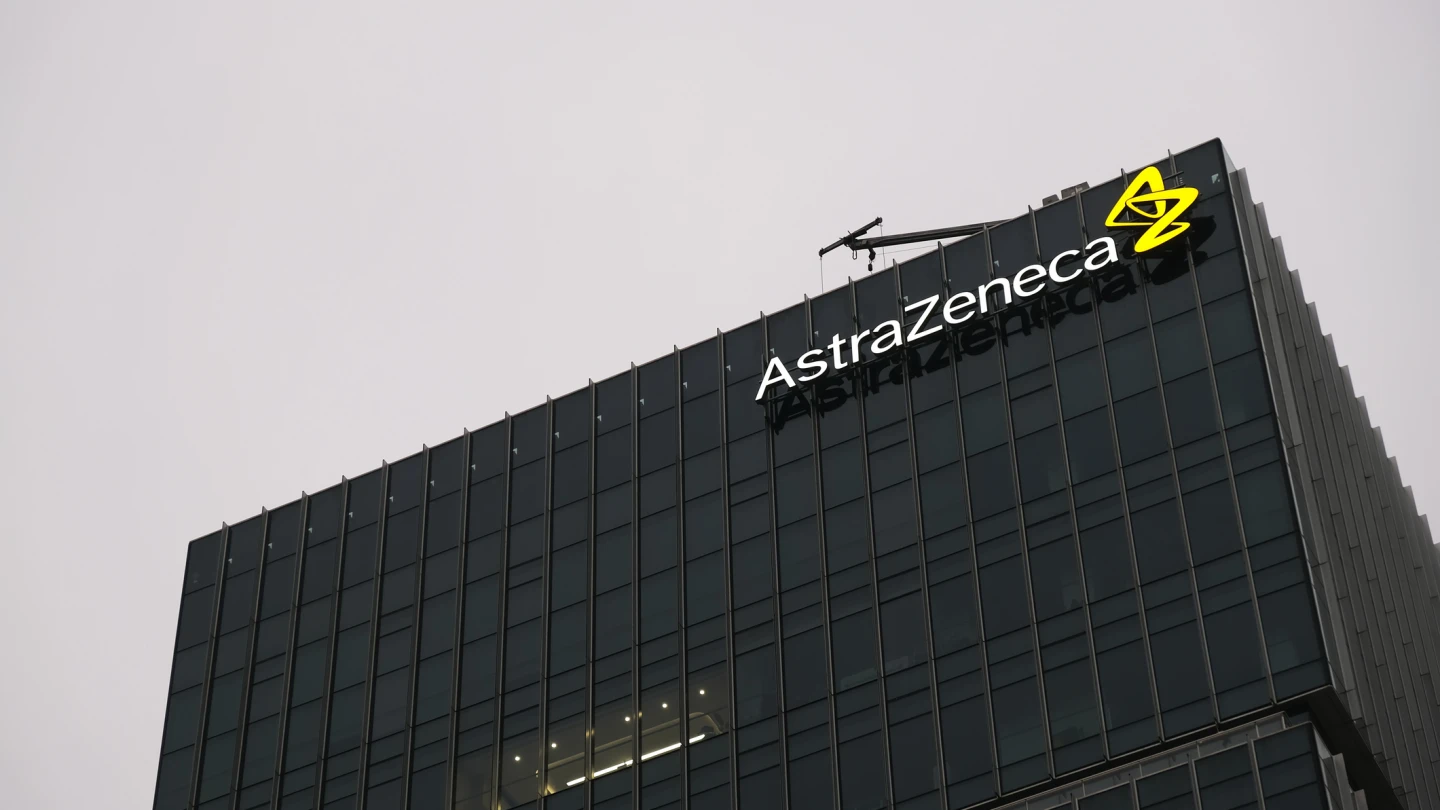
Using a computational biomarker, the companies say they can identify which patients would derive significant clinical benefit from their experimental antibody-drug conjugate. AstraZeneca and Roche are co-developing and commercializing a companion diagnostic for the biomarker.

Bispecific antibodies and anti-TIGIT therapies both appear to be writing comeback stories as cancer experts head to Barcelona for the 2024 European Society for Medical Oncology Congress. Radioligand therapies and synthetic lethality assets are also attracting attention.

As Congress considers a bill that aims to distance U.S. biopharma from five Chinese companies, the industry must emphasize the importance of prioritizing patient care over power plays.

The next generation of Alzheimer’s therapeutics is moving away from amyloid plaques and tau tangles, offering multiple approaches to slow cognitive decline.

Astellas Pharma’s new life sciences center houses its first U.S.-based SakuLab, an incubator space for external partners, as well as its engineered small molecules unit.

Roche’s fenebrutinib this week scored a mid-stage win in relapsing multiple sclerosis, while Sanofi’s tolebrutinib met the primary endpoint in a Phase III trial for progressive MS but flopped in two late-stage relapsing MS studies.

If approved in chronic obstructive pulmonary disease, Nucala will compete with Verona’s Ohtuvayre and—pending a potential approval later this month—Sanofi and Regeneron’s blockbuster Dupixent.

Amy Emerson is stepping down on the heels of the FDA last month rejecting Lykos Therapeutics’ MDMA-based therapy for post-traumatic stress disorder and the company laying off three-quarters of its staff.