
News

Maintaining America’s momentum demands that policymakers resist policies that undermine research and development incentives.


FEATURED STORIES

Many scientists-turned-CEOs paradoxically abandon scientific principles when it comes to commercializing their innovations. But applying the scientific method to business decisions can help life science entrepreneurs avoid common pitfalls, attract investment and ultimately bring transformative technologies to market.

FDA vouchers are normally a coveted prize for biopharma companies, but a surprise rejection for Disc Medicine’s rare disease drug has biopharma reconsidering.

PitchBook’s 2025 biopharma VC analysis clocked $33.8 billion in capital dispatched in 2025, mainly to companies with later-stage programs ready to roll into the clinic.




FROM OUR EDITORS
Read our takes on the biggest stories happening in the industry.

The FDA’s refusal to review Moderna’s mRNA-based flu vaccine is part of a larger communications crisis unfolding at the agency over the past nine months that has also ensnarled Sarepta, Capricor, uniQure and many more.
THE LATEST
Lynkuet is the first FDA-approved therapy that blocks both the neurokinin 1 and neurokinin 3 receptors to treat hot flashes.
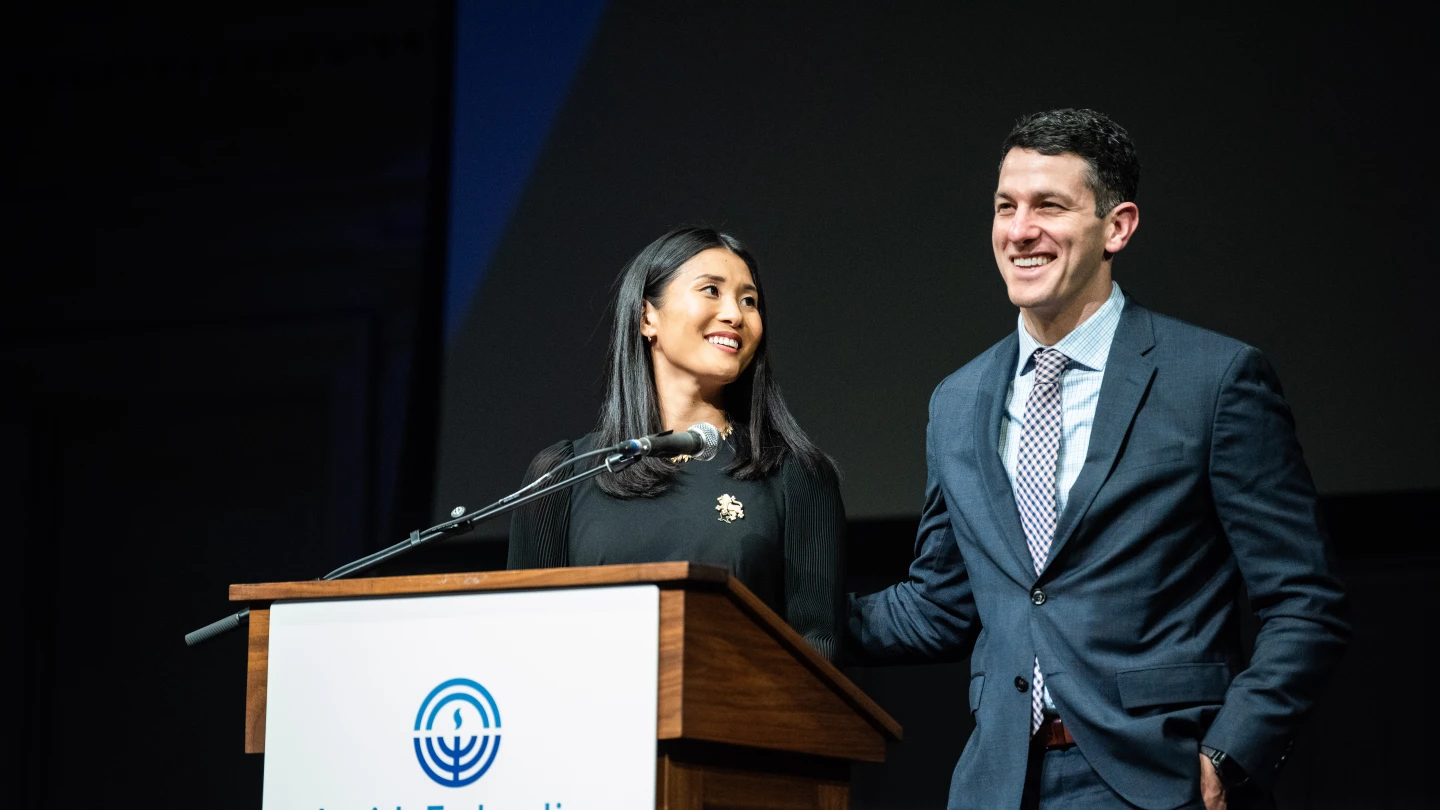
The BioSpace 40 Under 40 winner opens up about his very personal career transformation from wealth management to biotech—and what it’s like to develop a drug for amyotrophic lateral sclerosis and frontotemporal dementia as a potential patient himself.

Last month, “historic positive results” from uniQure’s gene therapy snapped the Huntington’s community out of years of failure. As the biotech prepares to submit for FDA approval, BioSpace looks at four more candidates on the near horizon.

Pivotal results from uniQure’s gene therapy for Huntington’s disease have brought new light to patients who have known only disappointment in recent years—but one expert worries that communication of the results is creating “false expectations.”
The deal, announced early Sunday afternoon, will see Novartis gain access to Avidity’s neuroscience assets, while the San Diego biotech spins out a new company to shepherd its early-stage precision cardiology programs.
The $70 million upfront deal adds to a portfolio of drugs Biogen has been growing in various immunological conditions since 2024.

The cornerstone of the deal is Ixo-vec, an intravitreal gene therapy currently in Phase III development for wet age-related macular degeneration. Eli Lilly made another foray into genetic medicine in June, picking up Verve Therapeutics for up to $1.3 billion.

Of the 25 companies receiving tax incentives in Massachusetts, 23 will add jobs outside of Boston and Cambridge. Medtronic, which is receiving the largest award, will create 220 roles in Billerica. Other recipients include AbbVie, Dyne Therapeutics and Viridian Therapeutics.

In three draft guidance documents, the FDA has laid out pointers to help companies craft better drug development programs and drug applications.

The discontinued CAR T therapy bbT369 came to Regeneron when the pharma bought all of 2seventy bio’s pipeline assets for $5 million upfront in January 2024.