
News

BioSpace’s 2026 U.S. Life Sciences Employment Outlook examines the state of the biopharma workforce amid ongoing funding pressure, elevated layoffs and cautious hiring sentiment, while highlighting early signals of stabilization and cautious optimism for the year ahead.


FEATURED STORIES

Bristol Myers Squibb, GSK and Merck are contributing drug ingredients as part of their deals with the White House but are keeping many of the terms of their agreements private.

Some 200 rare disease therapies are at risk of losing eligibility for a pediatric priority review voucher, a recent analysis by the Rare Disease Company Coalition shows. That could mean $4 billion in missed revenue for already cash-strapped biotechs.

Together with robust data-driven modeling, rethinking regulation and data use could push forward a notoriously challenging field.



FROM OUR EDITORS
Read our takes on the biggest stories happening in the industry.

The FDA’s rare pediatric disease priority review voucher program missed reauthorization at the last minute in 2024; advocates have been fighting to get it back ever since.
THE LATEST

Recursion’s oral drug candidate for cerebral cavernous malformation showed no improvements in patient- or physician-reported outcomes at 12 months. The biotech will engage with the FDA to determine the need for an additional study.

Big Pharma has finally gotten its arms around something advocates have wanted for a long time: direct-to-consumer sales. Eli Lilly and Pfizer are leading the way.

Having difficult conversations with the right mindset can build trust and further develop your relationship with your team.

Getting caught between younger team members and older bosses can be stressful for millennial managers. A leadership expert and millennial manager share tips for bridging the gap between these groups.

Eli Lilly offers weight loss drug Zepbound directly to consumers while Novo Nordisk continues to struggle with supply challenges for its own GLP-1s. Meanwhile, gene therapies for retinal diseases target competitive market, and layoffs persist.

The intellectual property landscape for newer gene-editing technologies, like that for CRISPR-Cas9, remains unclear and hard to navigate.

Analysts expect the companies’ Vabysmo and Eylea HD to generate a combined $13.2 billion by 2030 in the vascular endothelial growth A therapy market, as healthcare providers and patients switch from older products.

Astellas Gene Therapies is closing its San Francisco biomanufacturing facility, shifting gene therapy manufacturing to North Carolina, cutting at least 17 employees and affecting dozens more.
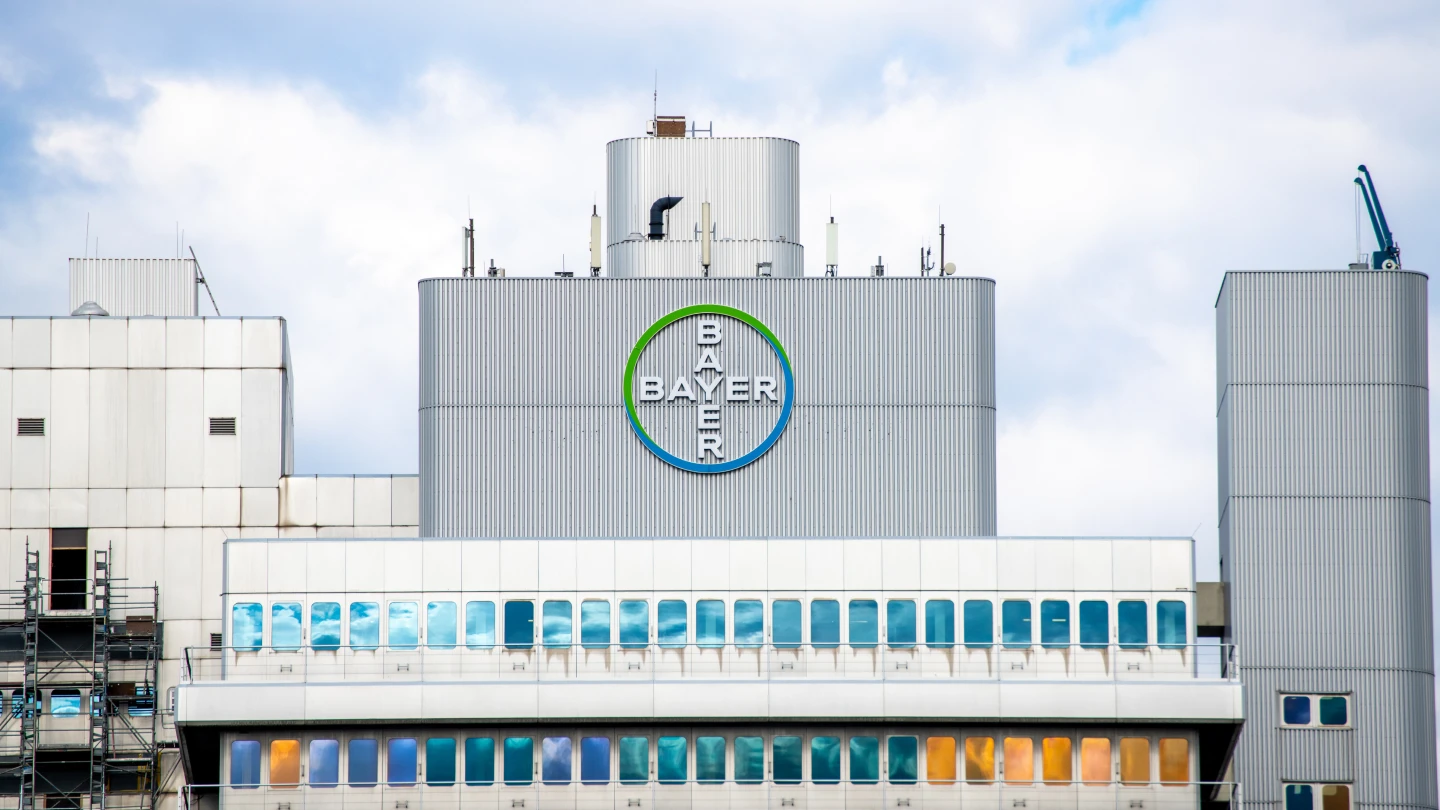
Bayer’s Kerendia, at the center of a $3 billion sales forecast, reduced the risk of cardiovascular death and heart failure in a Phase III trial.

The highly anticipated results come as the company makes significant changes to its C-suite. Despite the turnover, Dyne said it is looking toward expedited approval pathways for its DMD treatment.