
News


FEATURED STORIES

From biotech veterans to embattled modalities to a new wave of RNAi therapeutics, BioSpace’s NextGen Class of 2026 emerged during a tough fundraising environment in 2025. Check out the 15 battle-tested companies that caught our eye.

Recent breakthroughs and three decades of progress in treating Huntington’s disease

Next-generation automation is closing the gap between curative science and real-world demand, enabling faster development, global consistency and broader patient access to CAR T therapies.



FROM OUR EDITORS
Read our takes on the biggest stories happening in the industry.

With five CDER leaders in one year and regulatory proposals coming “by fiat,” the FDA is only making it more difficult to bring therapies to patients.
THE LATEST

Analysts at Jefferies give Roche and Prothena’s Phase III study just a 25% to 40% probability of success.

Regeneron did not bid higher on the genetic testing company because of “its assessment of 23andMe’s remaining value,” according to a spokesperson for the pharma.

Stifel analysts said the deal “feels like an unremarkable outcome for a company that was once one of the hottest stories in CNS.” Supernus’ offer beats Biogen’s unsolicited bid of about $7.22 per share, which arrived with a thud in late January.

Analysts at Truist Securities called J&J’s CAR T readout “compelling,” noting that the efficacy figures could position the cell therapy as a formidable competitor to the current standard of care, Gilead’s Yescarta.

According to an internal email, the agency may be in for more consolidation in areas including human resources, communications, travel and acquisitions.

Sarepta’s shares crashed 41% in premarket trading Monday morning to $21.01 after the biotech reported a second death from acute liver failure, a known side effect of adeno-associated virus-based gene therapies.

AstraZeneca, Pfizer and more are leveraging the computational power of AI to better design trials, predict the potential efficacy and safety profiles of their molecules and synthesize massive multi-omic information to gain a more complete understanding of challenging cancers.

While cancelled NIH grants and regulatory uncertainty are less hospitable to clinical research in the U.S., Europe must play its cards right to attract more studies.

Later this month, HHS Secretary Robert F. Kennedy Jr.'s revamped CDC vaccine advisory committee will discuss RSV vaccination guidelines for the newly approved patient group, high-risk adults 18 through 49. Analysts and other experts have warned that the new panel includes some who have documented anti-vaccine sentiments as well as those who have spoken out against mRNA technology specifically.
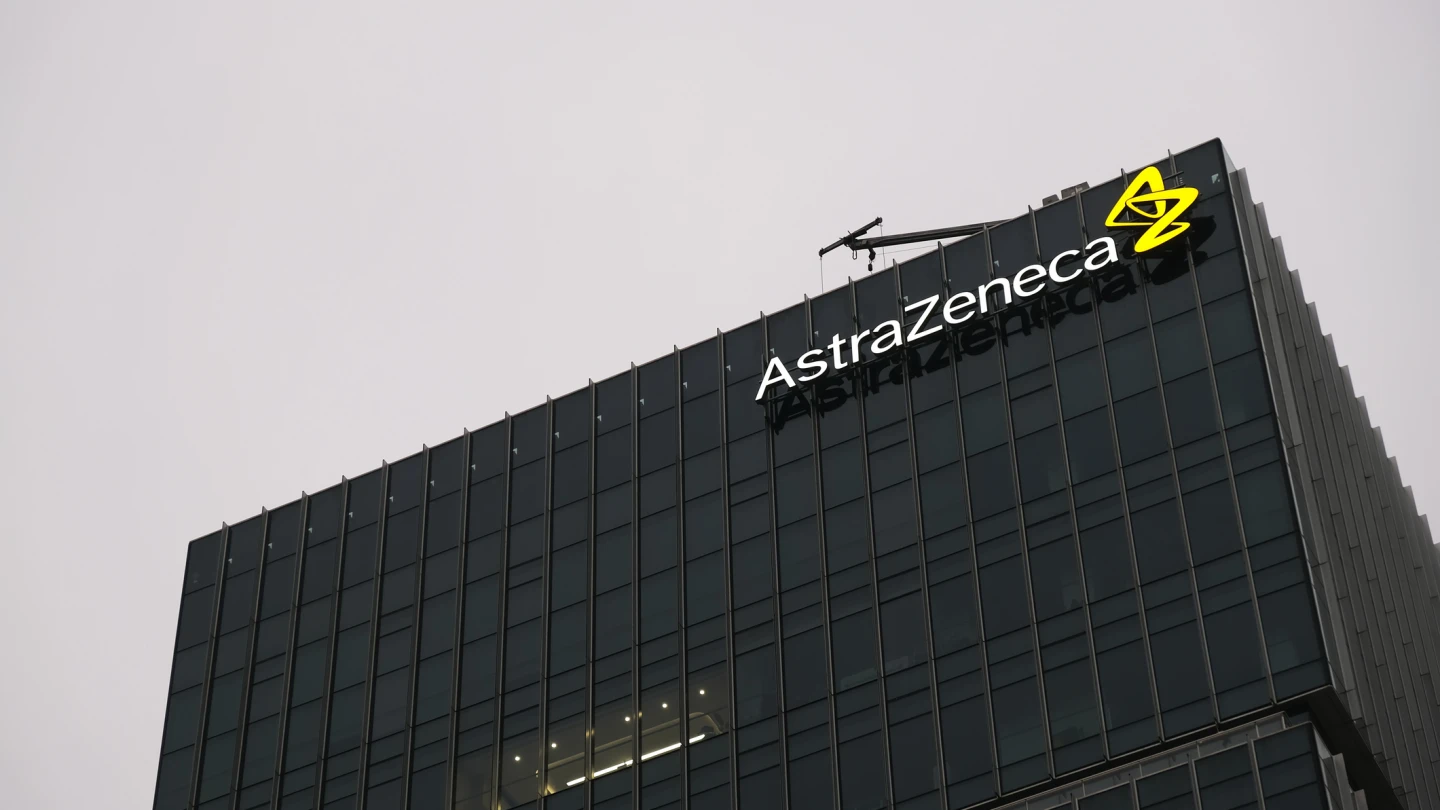
Friday’s deal with CSPC fits neatly within AstraZeneca’s business development strategy of upping investments in AI and in China.