
Business

Congressional letters sent to the CEOs of Eli Lilly, Pfizer, Merck, BMS and AbbVie this week voicing concerns about the pharmas’ clinical trials in China highlight an ongoing discrepancy in how government and industry think about the rise of the Asian country’s biotech industry.


FEATURED STORIES

At the BIO International Convention in San Diego, attendees marked the 50th anniversary of original biotech Genentech, reflecting on the immense challenges facing companies as China becomes a powerhouse innovator.

Dealmaking across biopharma is shifting dramatically as the SEC rolls out new regulations to ease burdens on newly public companies and antitrust review is replaced by drug pricing as the policy concern du jour.

Dual and even triple or quadruple track processes have come roaring back in 2026 thanks to a glut of M&A that has refilled investors’ wallets. Big Pharma is being put on notice that time is critical if they want to acquire.
Subscribe to BioPharm Executive
Market insights and trending stories for biopharma leaders, in your inbox every Wednesday
THE LATEST

In its 2025 full year and fourth-quarter earnings call, Merck executives touted the merits of recent deals and what CEO Robert Davis called “probably the broadest and widest pipeline we’ve had in years.”

After advancing in lockstep through the pandemic, the fortunes of the biotechs have diverged as their use of COVID-19 windfalls has taken shape.

After suffering in the wake of expired tax incentives for pharmas, the island is trying to take advantage of geopolitics to grow its drug manufacturing sector.

While GSK did not provide a specific reason for returning Wave Life Sciences’ WVE-006, the decision comes after the asset in September 2025 came below analyst expectations in a Phase Ib/IIa AATD study.

The facility, which is part of Lilly’s $50 billion reshoring drive, will make obesity drugs such as tirzepatide and retatrutide when it starts operations in 2031.

A Phase III readout in September 2024 for rocatinlimab, on which Amgen and Kyowa Kirin were collaborating in atopic dermatitis, appeared underwhelming to analysts, with Jefferies noting that the data “came in at the lower end of efficacy and expectations.”

Opening up about drug pricing decisions is not optional for biopharma anymore. For the sake of credibility, companies should embrace it.

After years of contraction, investors see biotech reentering a growth cycle driven by scientific progress, asset quality and renewed conviction in oncology, obesity and neuroscience innovation.

Cancer-focused Eikon Therapeutics is seeking $273.5 million in its bid to trade on the Nasdaq, while hair growth specialist Veradermics is looking for $181.1 million in its foray onto the New York Stock Exchange.
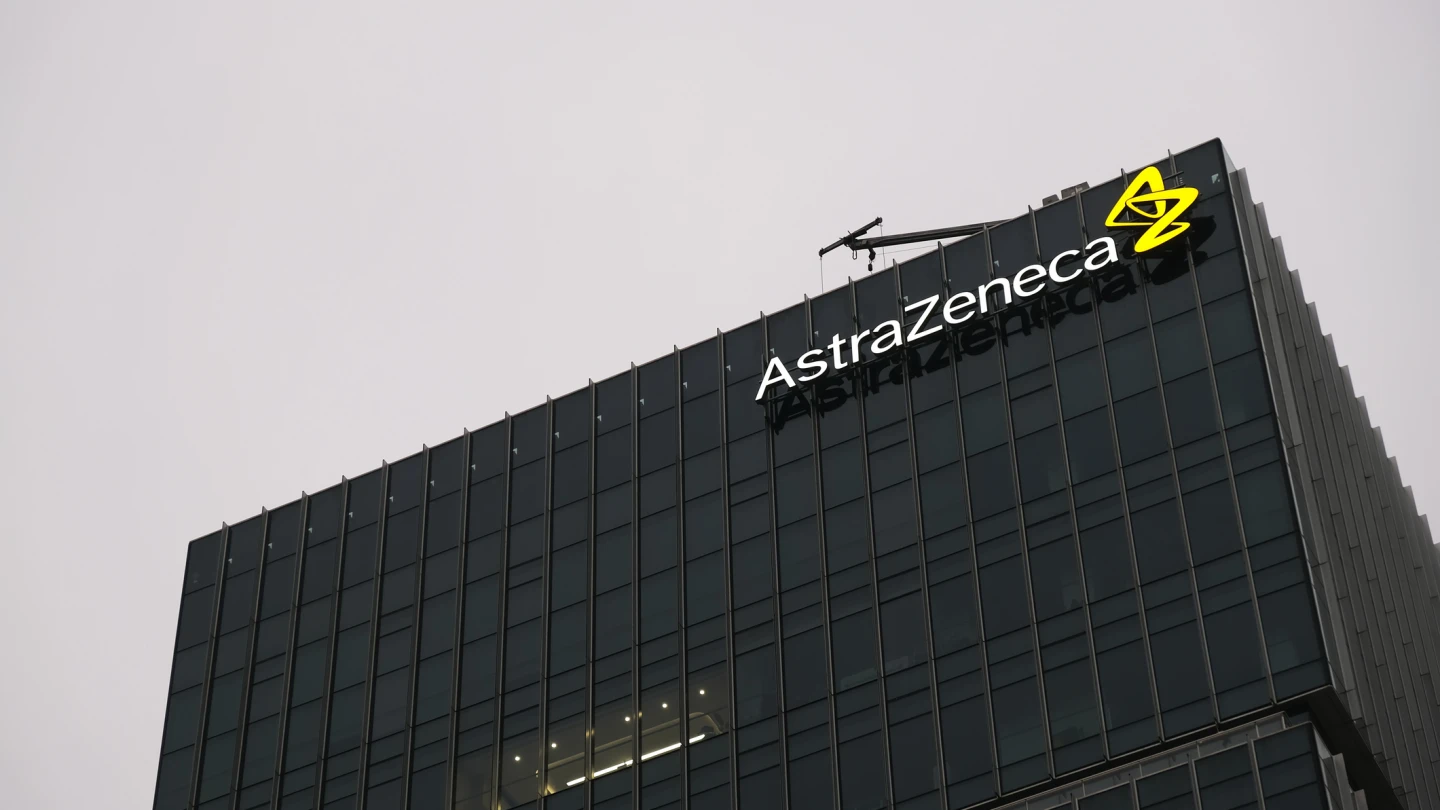
AstraZeneca has risen as one of pharma’s most prolific investors in China, including a $630 million pledge last week for full rights to AbelZeta’s cell therapy for cancer.