
News

The money will enable the addition of aseptic filling and oral solid dose capabilities to support Hikma’s products and contract manufacturing clients.


FEATURED STORIES

Novo Nordisk and Eli Lilly presented data extolling the benefits of their relative weight loss therapies in obesity-linked indications, while analysts at BMO Capital Markets were “encouraged” by the strategy communicated by Novo management.

After a $625 million IPO, the biggest ever in biotech, obesity-focused Kailera Therapeutics is readying a commercial strategy that puts patients at the center.

The FDA has expanded the regulatory toolkit during President Donald Trump’s second term, adding new mechanisms for rare diseases while putting the Biden-era platform technology designation into action.





FROM OUR EDITORS
Read our takes on the biggest stories happening in the industry.

FDA veteran Peter Marks will now shape the future of Eli Lilly’s vaccines work after the buys of Curevo, LimmaTech Biologics and Vaccine Company for up to $3.8 billion total.
THE LATEST

If confirmed, Susan Monarez will have her work cut out for her, facing a measles outbreak that has already killed two people—the first measles-related deaths in the U.S. since 2015.


The company, launched with help from ex-Novartis executives, is targeting glutamate signaling in the brain to help treat alcohol- and cocaine-use disorders, among other indications.

Novo will license UTB251, a triple hormone receptor agonist that in mid-2023 achieved 24% weight reduction at 48 weeks in a mid-stage study.
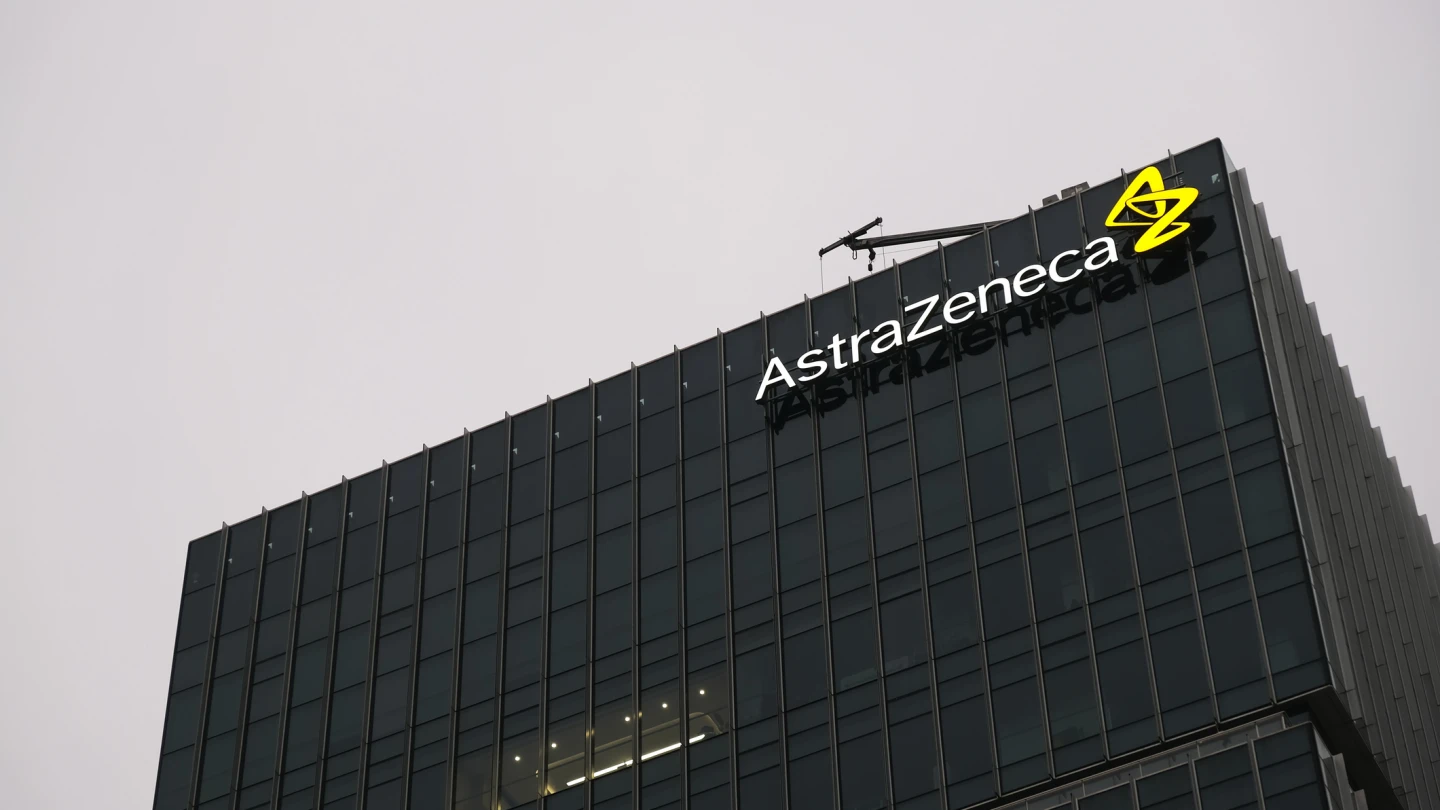
The investments come amid an ongoing insurance fraud probe into AstraZeneca’s former China head Leon Wang—and despite mounting pressure from President Trump for pharma companies to re-shore their manufacturing operations.

AbbVie claims that Genmab turned a blind eye to trade secret theft allegedly used to support the development of ProfoundBio’s investigational antibody-drug conjugates. Genmab acquired ProfoundBio in May 2024.

In attempt to keep R&D costs low, the vivarium business model has emerged as a crucial solution for drug developers.

It’s early days for xenotransplantation, but eGenesis, Eledon, United Therapeutics and more are working to develop solutions to make this approach a viable option and help ease the organ shortage crisis.

Since 2016, the FDA has approved three disease-modifying treatments for spinal muscular atrophy, with several companies—including Novartis, Scholar Rock and Biogen—progressing novel candidates through clinical trials.

Biosimilars are essential healthcare equalizers, but their regulation is overly complicated due to lobbying by makers of branded biologics looking to maintain blockbuster revenue.