
News
A surprising deal from Vertex Pharmaceuticals adds to Big Pharma’s acquisitive streak as Crinetics folds into the cystic fibrosis drugmaker. Meanwhile, IPOs and venture capital raises trend upward, but mostly for derisked companies. Plus, FDA decisions slow only slightly as the hunt for a permanent leader drags on.


FEATURED STORIES

After debuting on the public markets with $256.3 million and raking in an additional $472 million, Veradermics has emerged as one of biotech’s biggest post-IPO standouts. CEO Reid Waldman credits the weight loss craze for establishing consumer-driven channels.

Molecular glue degraders are gaining traction in the clinic as well as funding from Big Pharma, with their potential to treat previously “undruggable” cancers and immunological diseases. Here are five clinical programs worth keeping an eye on.

Last month, the FDA launched TrialBlazer, intended to streamline the IND path and bring early clinical trials and medical innovation home to the U.S. It’s a start, but new agency leadership must see it through.





FROM OUR EDITORS
Read our takes on the biggest stories happening in the industry.

Congressional letters sent to the CEOs of Eli Lilly, Pfizer, Merck, BMS and AbbVie this week voicing concerns about the pharmas’ clinical trials in China highlight an ongoing discrepancy in how government and industry think about the rise of the Asian country’s biotech industry.
THE LATEST

Moderna’s mRNA-4359, when used with Keytruda, achieves a 24% overall objective response rate in patients with melanoma, with efficacy increasing to 67% in those positive for PD-L1.

Novo had around 250 employees working on cell therapies, all of whom will be laid off, though a spokesperson declined to reveal which offices and locations will be affected.

The market outlook is full of uncertainty and pitfalls. Experts weigh in on how to mitigate risks.

While the benefits of AI are clear, the amount data sets needed for effective AI integration is proving to be a challenge. This is particularly true for cell therapy companies as they are eagerly seeking ways to reduce development costs. Two experts at Charles River Laboratories provide insights by giving their takeaways from their own AI integrations.

To drive true innovation in drug development, executives must not let excitement about the latest shiny object obscure ultimate outcomes.

Heading into the final quarter of a year that has seen dramatic upheaval at the FDA—from the exodus of numerous senior leaders to unclear policy changes and a safety saga that engulfed the gene therapy space—drug approvals appear roughly on par with recent years.

Therapies from industry leaders BioMarin and Ascendis Pharma supply a key hormone that promotes bone growth. In order to move the field forward, challengers are looking to address the underlying cause of the rare, genetic disease.
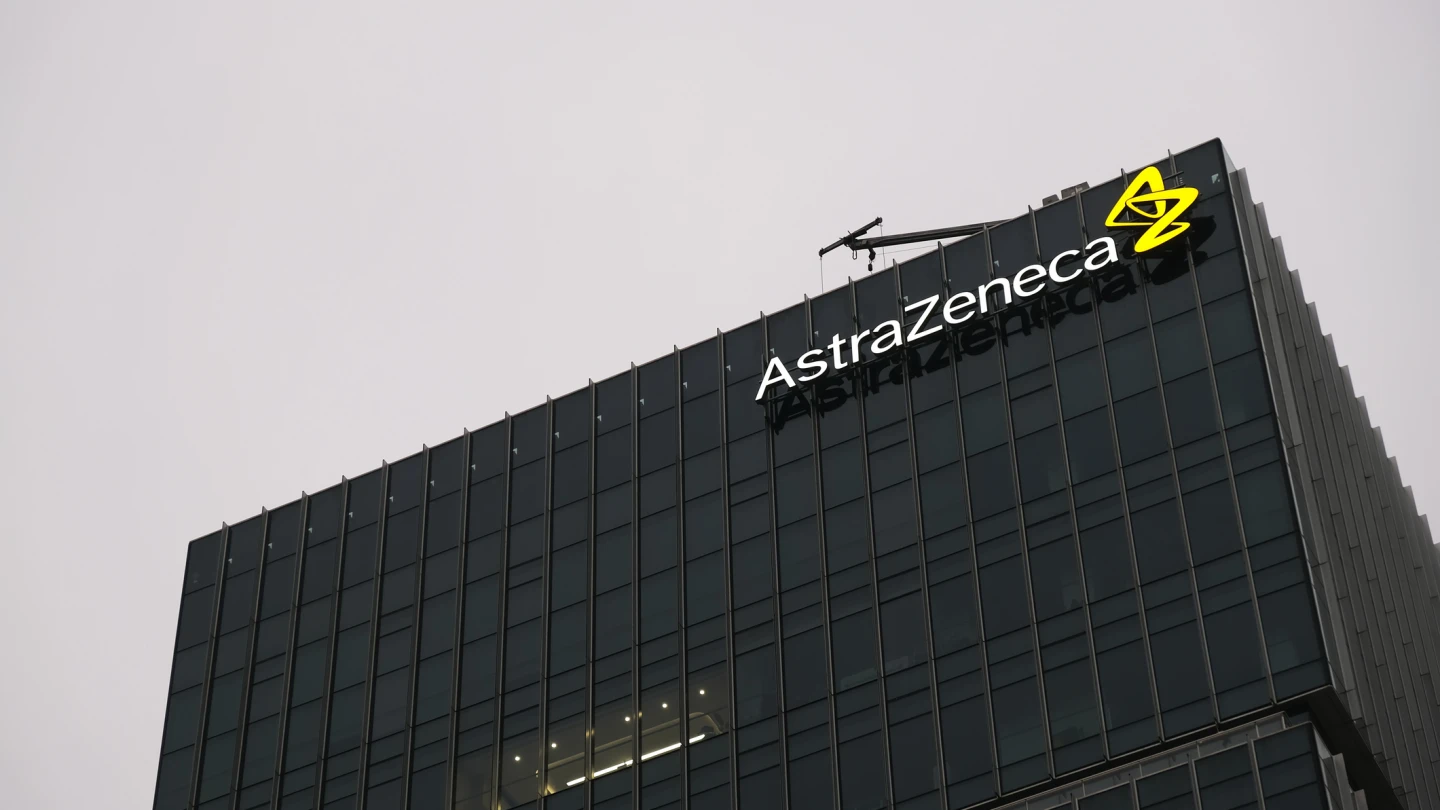
The British pharmaceutical giant has joined the direct-to-consumer push, following Pfizer and Amgen’s announcements in response to the president’s calls to lower U.S. drug prices.

A new version of the controversial bill removes the specific company names that were included in a previous iteration but still requires the industry to ditch Chinese biotech contractors in order to receive federal dollars.

Investor reaction to the deal was muted, with BMO Capital Markets analysts saying they “continue to look for more” from Bristol Myers Squibb before they can “get excited about the near term turnaround story.”