
News

Implemented as part of a broader initiative to make more targeted and efficient use of inspection resources, the pilot program will use artificial intelligence to enable shorter, focused screenings to complement standard FDA inspections.


FEATURED STORIES

The Department of Health and Human Services is spinning its wheels, unable to establish steady leadership at three major divisions—the CDC and the FDA’s two primary review units.

Robert F. Kennedy Jr.’s health department has consistently touted radical transparency as being key to its mission. Recent instances—the FDA’s decision not to disclose the recipients of three Commissioner’s National Priority Vouchers and FDA and CDC choices not to publish vaccine-related papers—call this intent into question.

In Salt Lake City, biotech founders new and seasoned reflect on ways to ride out the industry’s challenges, such as sending cold emails to investors and learning to address leadership weaknesses.





FROM OUR EDITORS
Read our takes on the biggest stories happening in the industry.

Neal and Azbee awards have validated our approach to reporting on the industry at a time of unprecedented shifts at the FDA and other federal agencies.
THE LATEST

The explosion of GLP-1 weight loss drugs is reminiscent of the early days of PD-1 inhibitors, but key market differences suggest history may not repeat itself.

The ongoing conflicts between Ukraine and Russia, as well as Israel and Palestine, have sent ripples across various industries, including pharma. Medical science liaisons can help.

After a patient taking the Duchenne muscular dystrophy gene therapy Elevidys died of liver injury, Sarepta will update the label to reflect the safety signal.

Mirador debuted last year with a massive $400 million and the goal of developing game-changing therapies for inflammatory and fibrotic diseases. The company aims to enter the clinic this year.

In the third podcast in a special series focused on BioSpace’s NextGen Class of 2025, Senior Editor Annalee Armstrong speaks with Mark McKenna, CEO of Mirador Therapeutics.

Under the terms of the agreement, OPKO will accept 60% of the development costs, while Entera will shoulder 40%.
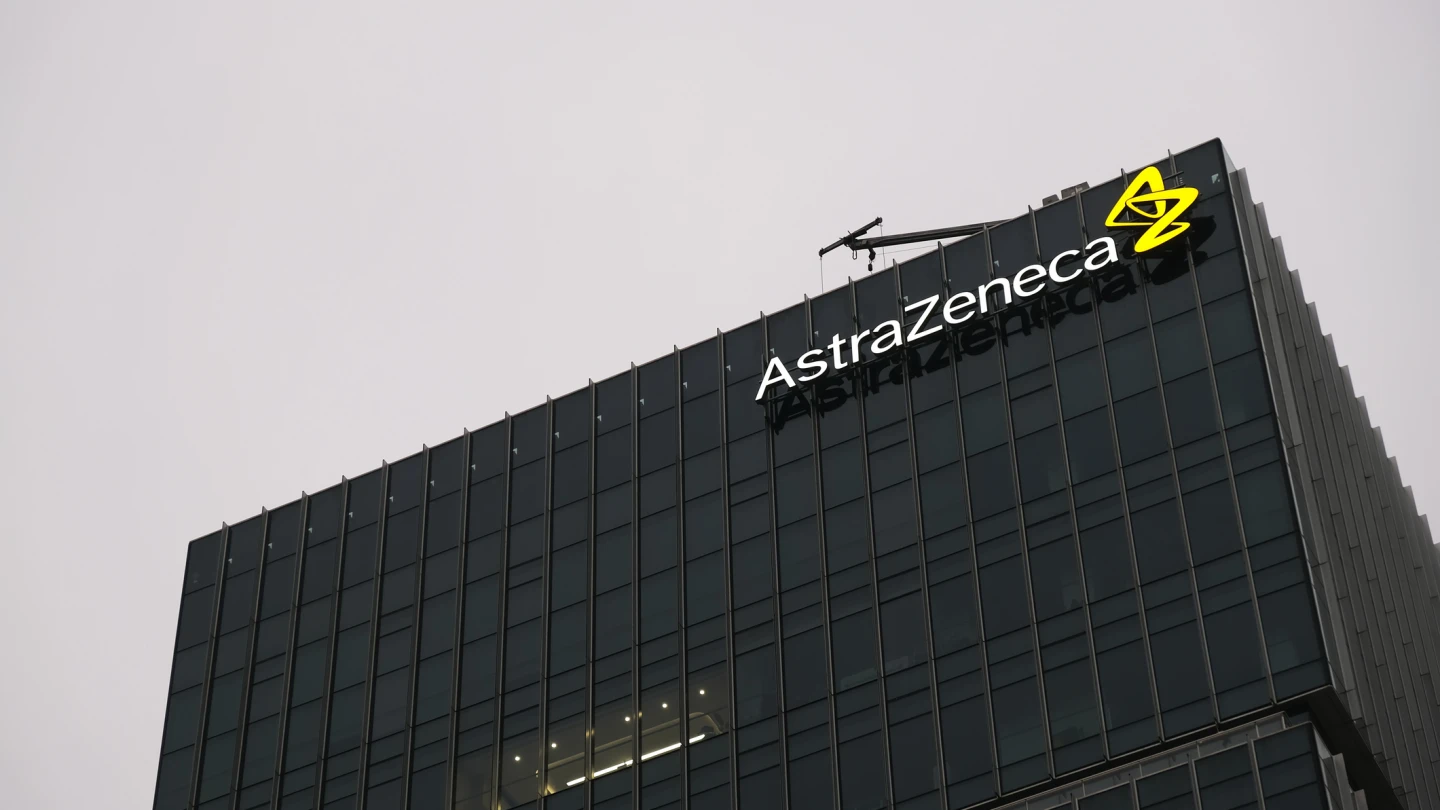
Monday was a busy day for AstraZeneca, which also paid up to $1 billion to acquire Belgian biotech EsoBiotec and its cell therapy pipeline and technology.

The gene therapy world is in turmoil, but Arbor, armed with more than $1 billion in partnerships and raises, is going forward.

Japan-based Taiho Pharmaceutical has worked with Araris Biotech since 2023 developing antibody-drug conjugates for the oncology space.

AstraZeneca has recently been investing heavily in the cell therapy space, including two acquisitions for TeneoTwo and Gracell Biotechnologies.