
News

A legal settlement has put wind behind Pfizer’s sales into 2029—at which point key obesity moves will take the helm.


FEATURED STORIES

As Q1 earnings arrive, three biotechs have big quarters ahead, with two—Amylyx and Neumora Therapeutics—betting at least partly on novel assets for obesity.

Comprehending the spate of recent rejections in the cell and gene therapy space may require looking no further than early-stage clinical trials of candidates from REGENXBIO, Excision BioTherapeutics and Intellia Therapeutics.

We must treat drug resistance as a central scientific priority rather than an unavoidable complication.



FROM OUR EDITORS
Read our takes on the biggest stories happening in the industry.

Neal and Azbee awards have validated our approach to reporting on the industry at a time of unprecedented shifts at the FDA and other federal agencies.
THE LATEST

Having difficult conversations with the right mindset can build trust and further develop your relationship with your team.

Getting caught between younger team members and older bosses can be stressful for millennial managers. A leadership expert and millennial manager share tips for bridging the gap between these groups.

Eli Lilly offers weight loss drug Zepbound directly to consumers while Novo Nordisk continues to struggle with supply challenges for its own GLP-1s. Meanwhile, gene therapies for retinal diseases target competitive market, and layoffs persist.

The intellectual property landscape for newer gene-editing technologies, like that for CRISPR-Cas9, remains unclear and hard to navigate.

Analysts expect the companies’ Vabysmo and Eylea HD to generate a combined $13.2 billion by 2030 in the vascular endothelial growth A therapy market, as healthcare providers and patients switch from older products.

Astellas Gene Therapies is closing its San Francisco biomanufacturing facility, shifting gene therapy manufacturing to North Carolina, cutting at least 17 employees and affecting dozens more.
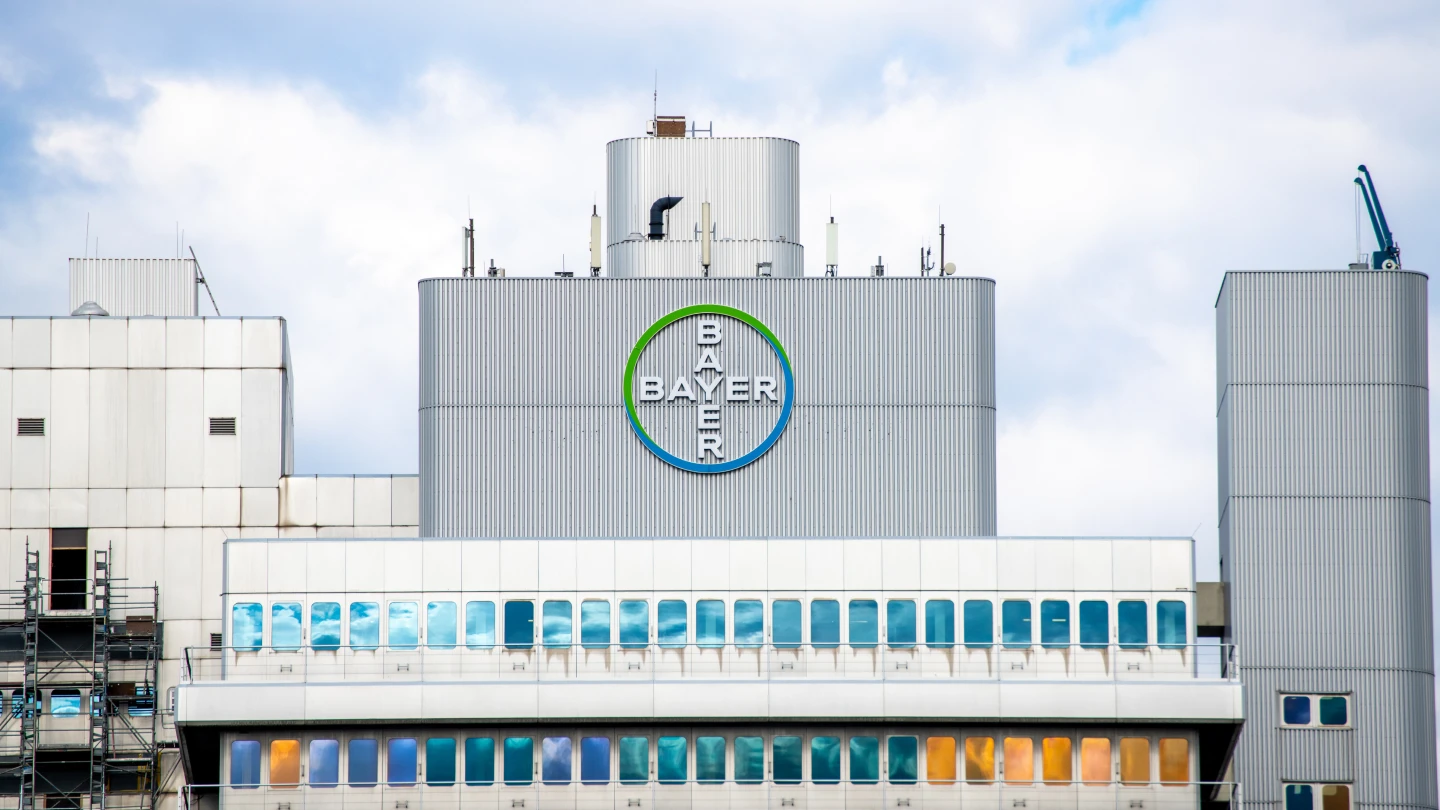
Bayer’s Kerendia, at the center of a $3 billion sales forecast, reduced the risk of cardiovascular death and heart failure in a Phase III trial.

The highly anticipated results come as the company makes significant changes to its C-suite. Despite the turnover, Dyne said it is looking toward expedited approval pathways for its DMD treatment.

The BTK inhibitor showed promise in non-relapsing secondary progressive multiple sclerosis but not relapsing MS. The company said it plans to apply for approval for the former “as soon as possible.”

Novo Nordisk’s continuing supply problems for semaglutide come as the pharma tries to expand the drug’s indication, opening it up to more patients—and potentially to heavier production pressures.