
News

Dual and even triple or quadruple track processes have come roaring back in 2026 thanks to a glut of M&A that has refilled investors’ wallets. Big Pharma is being put on notice that time is critical if they want to acquire.


FEATURED STORIES

The FDA has so far secured 600 new hires and is looking for 1,600 more as interim leadership at the agency aims to rebuild the workforce and morale after more than a year of intense attrition.

Speaking to media on Tuesday, BIO CEO John Crowley complimented China’s rise as a biotech powerhouse but said U.S. policy needs to protect and maintain America’s lead.

While merger and acquisition activity has been robust of late, frequent changes in guidance and leadership at the regulator add risk to any transaction.



FROM OUR EDITORS
Read our takes on the biggest stories happening in the industry.

If cell and gene therapy makers are going to achieve their mission to improve patients’ lives, the industry must come together to share information across stakeholders, from regulators to manufacturers to payers.
THE LATEST

Brazilian authorities said the death was unlikely to have been caused by Elevidys and was instead more in line with severe infection exacerbated by immunosuppression.

Despite the failure of its Recognify-partnered inidascamine, Jefferies analysts do not expect a definitively negative stock impact on atai, given the company’s promising psychedelic pipeline.

Acknowledging the limits of disease-modifying drugs like Leqembi and Kisunla, companies like Bristol Myers Squibb, Acadia, Otsuka and Lundbeck are renewing a decades-old search for symptomatic treatments, including in high-profile drugs like Cobenfy.

These five upcoming data drops could usher in more effective and convenient therapies for Alzheimer’s disease and open up novel pathways of action to treat the memory-robbing illness.

The Commissioner’s National Priority Vouchers aim to offer accelerated pathways to drugs that meet certain criteria, perhaps including a low price-tag. But the policy is vaguely defined and was announced without public input, going against the FDA’s own published practices, experts say.

The collaboration focuses on ‘molecular gates,’ a class of molecules that the startup company Gate Bioscience says can stop pathogenic proteins from leaving the cell.

The European Union’s health regulatory agency did not endorse approving Elevidys for ambulatory patients with Duchenne muscular dystrophy.

The strategic reprioritization comes after the company hit two major hurdles in the past year, including a clinical hold for an investigational gene therapy and an FDA rejection for its lead asset.

CBER is unanimously against Elevdiys’ return to the market without additional evidence, according to media reports citing an anonymous senior FDA official. Given Elevidys’ full approval, however, experts told BioSpace this path would set up a length legal battle between the regulator and Sarepta Therapeutics.
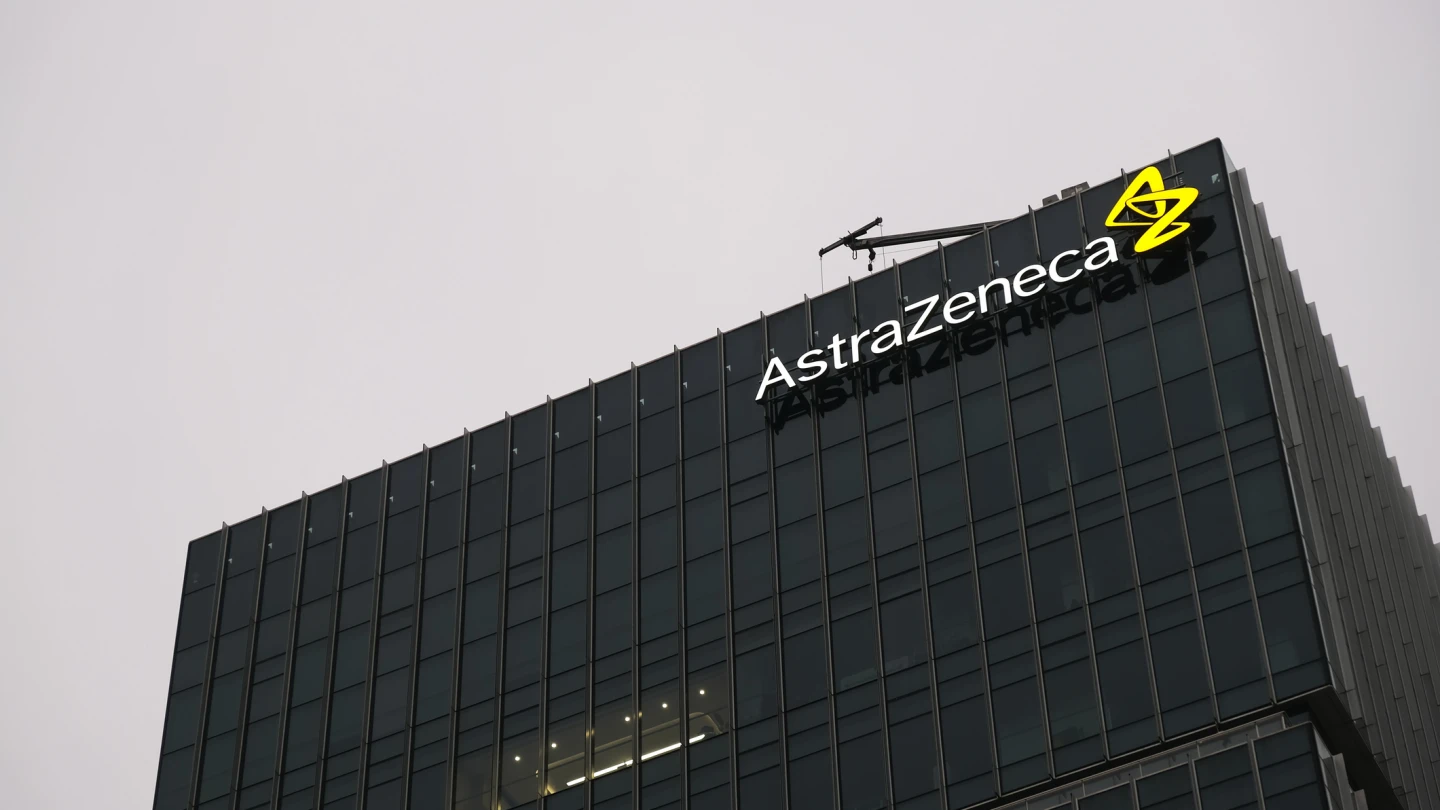
The company didn’t share specific data for the molecule, gefurulimab, but said it hit all endpoints in the Phase III PREVAIL trial and promised to share more at an upcoming scientific meeting.