
News

New data on Hengrui Pharma and Kailera Therapeutics’ investigational oral GLP-1 have validated the late-stage weight loss asset and paved the road for a regulatory submission in China, but analysts pointed to high rates of nausea and vomiting that could challenge the ongoing U.S. study.


FEATURED STORIES

Molecular glue degraders are gaining traction in the clinic as well as funding from Big Pharma, with their potential to treat previously “undruggable” cancers and immunological diseases. Here are five clinical programs worth keeping an eye on.

Last month, the FDA launched TrialBlazer, intended to streamline the IND path and bring early clinical trials and medical innovation home to the U.S. It’s a start, but new agency leadership must see it through.

Significant leadership instability at the FDA—compounded by continued workforce attrition—led to a slight slowdown in overall regulatory productivity in the first half of this year, but the agency has been catching up of late.





FROM OUR EDITORS
Read our takes on the biggest stories happening in the industry.

Congressional letters sent to the CEOs of Eli Lilly, Pfizer, Merck, BMS and AbbVie this week voicing concerns about the pharmas’ clinical trials in China highlight an ongoing discrepancy in how government and industry think about the rise of the Asian country’s biotech industry.
THE LATEST

A new group of CDC advisors voted last month to separate the chickenpox vaccine from the measles, mumps, rubella components of the MMRV shot due to concerns over febrile seizures, while recommending a more risk-based approach to COVID-19 immunizations that mirrors recent FDA approvals.

The hold was placed earlier this year when the FDA asked for more preclinical data, but the agency was slow to respond due to ‘strain’ on its capacity, according to Neurizon.
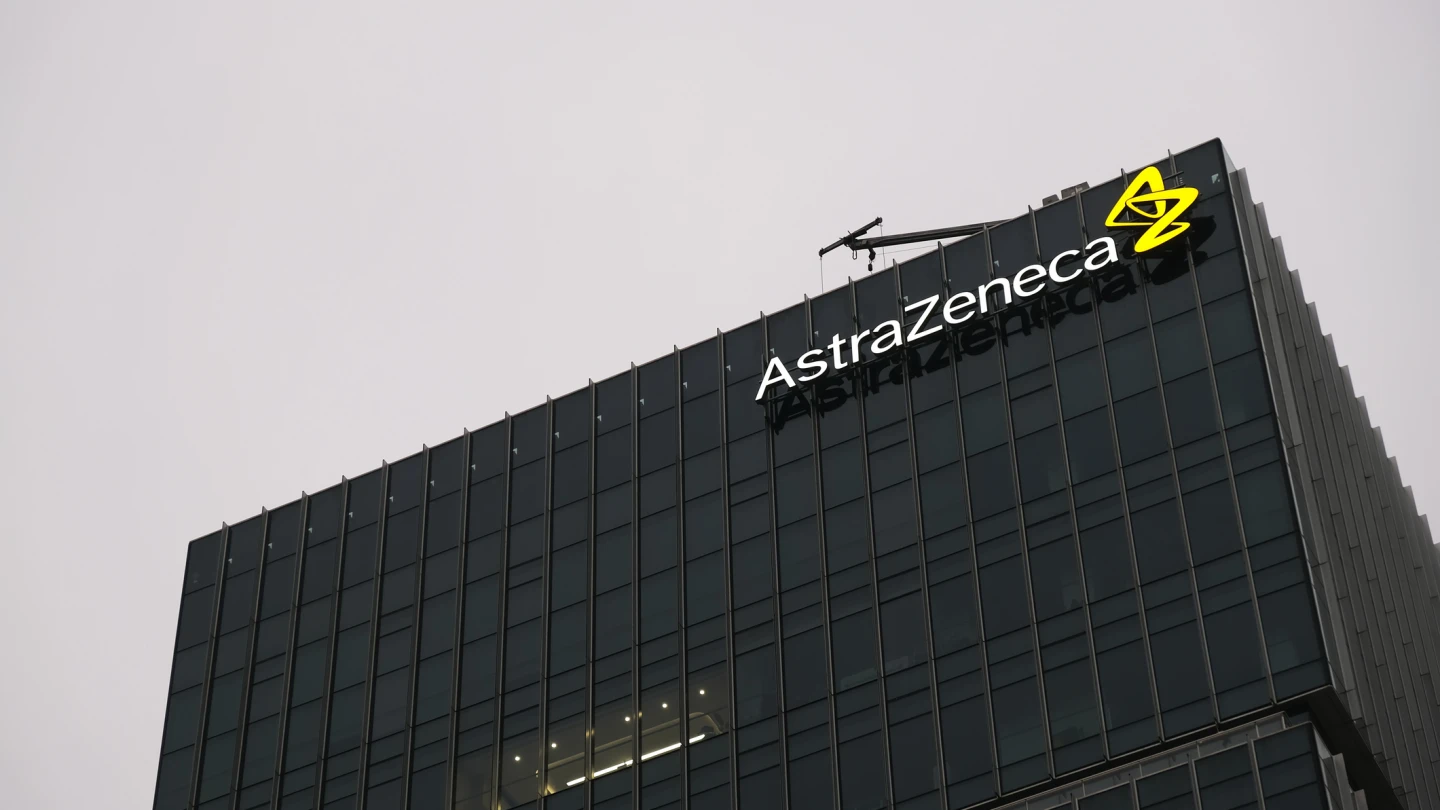
AstraZeneca has invested heavily in AI, primarily through collaborations, including an up to $5.3 billion partnership with China’s CSPC Pharmaceutical in June.

This latest FDA program aims to provide speedier reviews for generic drugmakers who produce their products in the U.S.

Rocket Pharmaceuticals’ strategic realignment initiative in July pulled funding from fanca-cel, which the biotech was developing for Fanconi anemia.

The centerpiece of the collaboration is the gene editor ABO-101, being developed for primary hyperoxaluria type 1, a rare disease that leads to severe kidney stones.

As industry leaders gather at the annual event in Phoenix, the cell and gene therapy space remains in a state of flux, with M&A activity and regulatory support signaling momentum while commercialization challenges continue to hinder broader investor interest.

Smarter design through targeted delivery and human-relevant testing can save the industry from costly safety failures.

While Bruton’s tyrosine kinase inhibitors are often hailed as the next big breakthrough in multiple sclerosis, Immunic Therapeutics and others are leveraging neuroprotective targets and remyelination to keep the disease at bay.

Jeanne Marrazzo, former director of the National Institutes of Allergy and Infectious Disease, was formally terminated Thursday after months on administrative leave, after filing a whistleblower report.