
News

After a sluggish 2025, biotech IPOs have roared back to life. Fueled by resilient stock performances and improving market sentiment, the total number of public debuts so far this year has already eclipsed 2025’s total.


FEATURED STORIES

As antibody-drug conjugates advance and move into earlier lines of treatment, drug developers have to build gentler therapies that don’t just extend survival but improve it.

FDA’s rare disease decisions are strongest when the patient community has a voice in advisory committee decisions.

The lineup at the Alzheimer’s Association International Conference will provide critical insight into where the industry is headed with regard to targets being explored to vanquish the elusive neurodegenerative disease.





FROM OUR EDITORS
Read our takes on the biggest stories happening in the industry.

Congressional letters sent to the CEOs of Eli Lilly, Pfizer, Merck, BMS and AbbVie this week voicing concerns about the pharmas’ clinical trials in China highlight an ongoing discrepancy in how government and industry think about the rise of the Asian country’s biotech industry.
THE LATEST

The intellectual property landscape for newer gene-editing technologies, like that for CRISPR-Cas9, remains unclear and hard to navigate.

Analysts expect the companies’ Vabysmo and Eylea HD to generate a combined $13.2 billion by 2030 in the vascular endothelial growth A therapy market, as healthcare providers and patients switch from older products.

Astellas Gene Therapies is closing its San Francisco biomanufacturing facility, shifting gene therapy manufacturing to North Carolina, cutting at least 17 employees and affecting dozens more.
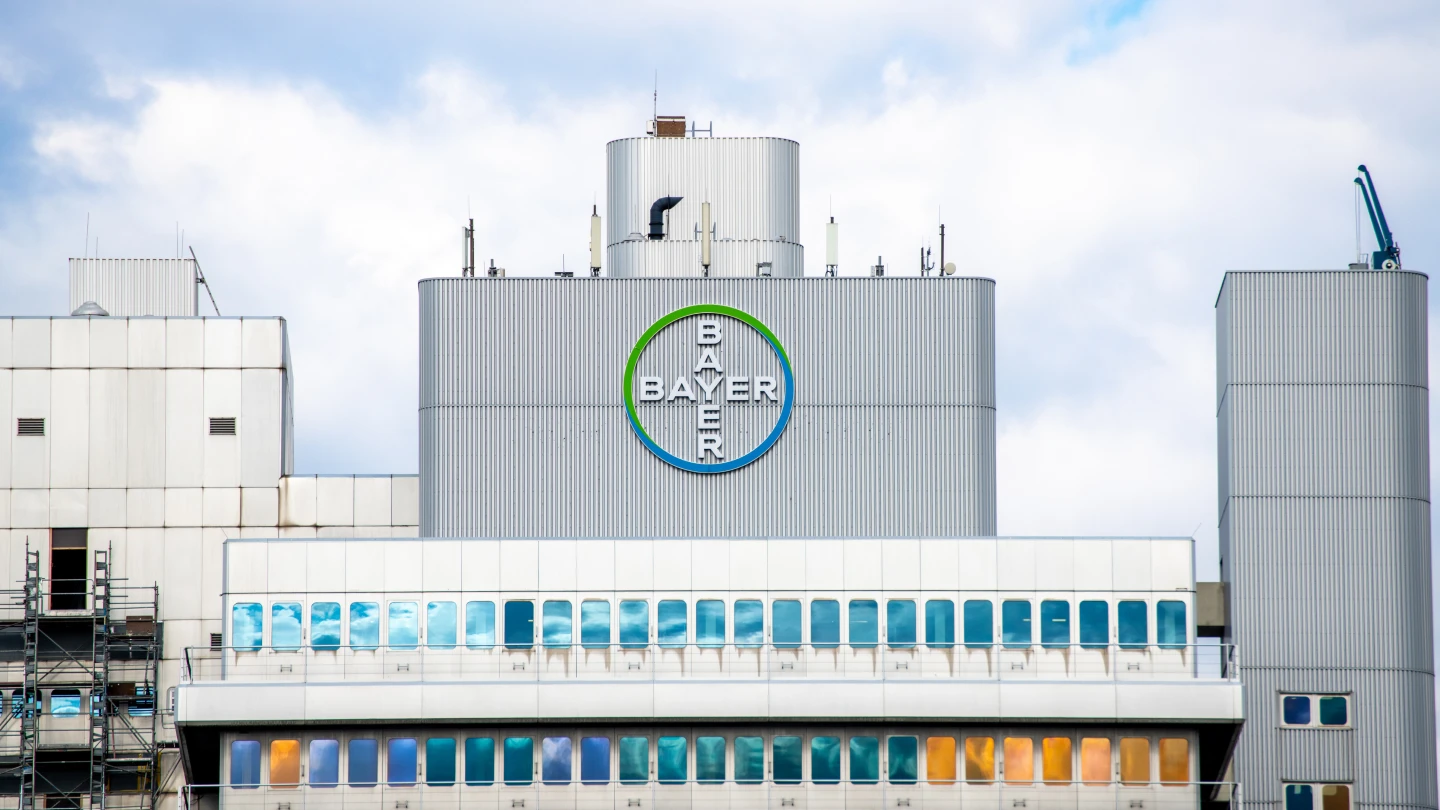
Bayer’s Kerendia, at the center of a $3 billion sales forecast, reduced the risk of cardiovascular death and heart failure in a Phase III trial.

The highly anticipated results come as the company makes significant changes to its C-suite. Despite the turnover, Dyne said it is looking toward expedited approval pathways for its DMD treatment.

The BTK inhibitor showed promise in non-relapsing secondary progressive multiple sclerosis but not relapsing MS. The company said it plans to apply for approval for the former “as soon as possible.”

Novo Nordisk’s continuing supply problems for semaglutide come as the pharma tries to expand the drug’s indication, opening it up to more patients—and potentially to heavier production pressures.

Unlike Pfizer/BioNTech and Moderna, Novavax does not use mRNA technology for its COVID-19 vaccine, instead opting for a recombinant version of the virus’ spike protein to elicit protection.

The agency’s inertia and bureaucratic roadblocks are throttling hope for millions of patients. A new center of excellence would provide a solution.

With promising early results, cell and gene therapies are making headway against both rare and common ocular and auditory diseases.