
News
The vibe at BIO 2026 in San Diego last week was overwhelmingly positive, with attendees observing noticeable changes at the FDA and an uptick in dealmaking and IPOs. Plus, a top medical journal this week retracted a pivotal study for Amgen’s rare disease drug Tavneos, which has been in the FDA’s crosshairs since January.


FEATURED STORIES

At the BIO International Convention in San Diego, attendees marked the 50th anniversary of original biotech Genentech, reflecting on the immense challenges facing companies as China becomes a powerhouse innovator.

A recent FDA reversal sparked new hope for patients with Huntington’s disease. Flying under the radar, Skyhawk Therapeutics revealed 12-month functional data from a midstage trial of its own candidate showing improvements on a key disease measurement scale.

Recent approvals for Corcept Therapeutics and Merck have injected momentum into the space, where GSK, Allarity Therapeutics, OSE Immunotherapies and others are advancing their own candidates.



FROM OUR EDITORS
Read our takes on the biggest stories happening in the industry.

If cell and gene therapy makers are going to achieve their mission to improve patients’ lives, the industry must come together to share information across stakeholders, from regulators to manufacturers to payers.
THE LATEST

Of the three highest bidders, Pfizer’s purchase proposal for Metsera was the lowest, regulatory documents reveal. The New York pharma, however, offered the smoothest transaction with the greatest likelihood of success.

Skye Bioscience’s nimacimab fell short of investor and company expectations, but showed encouraging weight-loss results when combined with Wegovy, according to analysts at William Blair.

Amgen will offer its lipid-lowering drug Repatha directly to patients for $239 per month, representing a nearly 60% reduction from the current wholesale acquisition cost of $527.70.

A new survey from CRB showed that most manufacturing initiatives in the U.S. made in response to tariffs are coming from Big Pharma companies, while smaller biotechs are left to hope “the situation doesn’t get worse.”

The inaugural 40 Under 40 cohort includes CEOs, leaders who have founded or co-founded their company and executives from a range of disciplines. Winners’ accomplishments include shaping drug development, achieving key FDA milestones and launching a new field of study.

Cell and gene therapy experts question where the FDA designation fits in an environment that features a range of intersecting regulatory perks.

A new group of CDC advisors voted last month to separate the chickenpox vaccine from the measles, mumps, rubella components of the MMRV shot due to concerns over febrile seizures, while recommending a more risk-based approach to COVID-19 immunizations that mirrors recent FDA approvals.

The hold was placed earlier this year when the FDA asked for more preclinical data, but the agency was slow to respond due to ‘strain’ on its capacity, according to Neurizon.
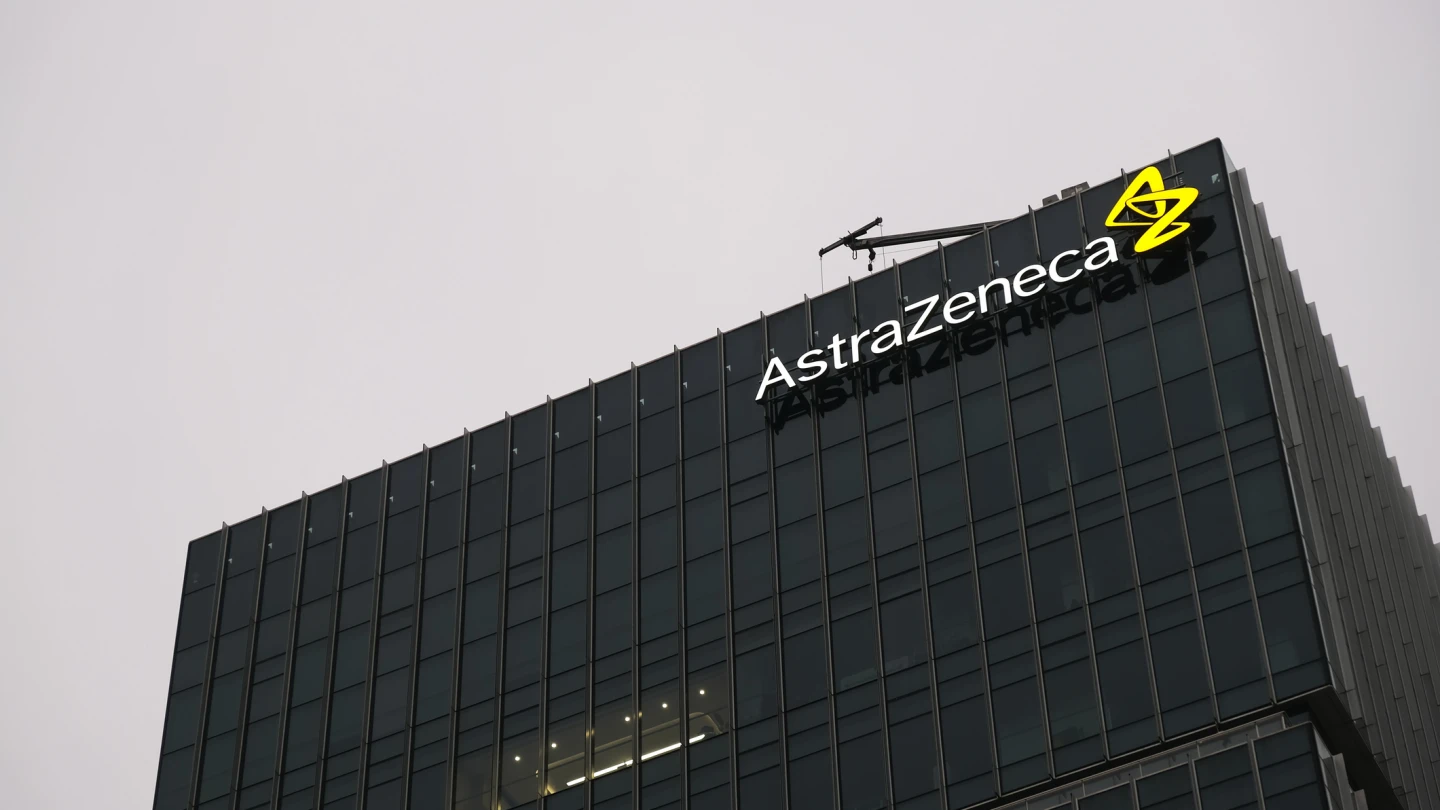
AstraZeneca has invested heavily in AI, primarily through collaborations, including an up to $5.3 billion partnership with China’s CSPC Pharmaceutical in June.

This latest FDA program aims to provide speedier reviews for generic drugmakers who produce their products in the U.S.