
News

Four of this year’s biggest acquisitions topped 11-figure figures. One was 2025’s messiest bidding war.


FEATURED STORIES

Of all the stories we published this year, these deep dives by BioSpace editors stand out as relevant re-reads going into the New Year.

The second half finished strong after two tumultuous years. What will 2026 bring for the biotech sector?

Policy initiatives have come fast and furious at the FDA this year. While guidances on rare diseases and vaccines have consumed most of the ink, policy shifts aimed at improving FDA efficiencies and reshoring U.S. manufacturing also got some attention. Here, BioSpace rounds up more than a dozen initiatives relevant to the biopharma industry.



FROM OUR EDITORS
Read our takes on the biggest stories happening in the industry.

With five CDER leaders in one year and regulatory proposals coming “by fiat,” the FDA is only making it more difficult to bring therapies to patients.
THE LATEST

Sarepta’s shares crashed 41% in premarket trading Monday morning to $21.01 after the biotech reported a second death from acute liver failure, a known side effect of adeno-associated virus-based gene therapies.

AstraZeneca, Pfizer and more are leveraging the computational power of AI to better design trials, predict the potential efficacy and safety profiles of their molecules and synthesize massive multi-omic information to gain a more complete understanding of challenging cancers.

While cancelled NIH grants and regulatory uncertainty are less hospitable to clinical research in the U.S., Europe must play its cards right to attract more studies.

Later this month, HHS Secretary Robert F. Kennedy Jr.'s revamped CDC vaccine advisory committee will discuss RSV vaccination guidelines for the newly approved patient group, high-risk adults 18 through 49. Analysts and other experts have warned that the new panel includes some who have documented anti-vaccine sentiments as well as those who have spoken out against mRNA technology specifically.
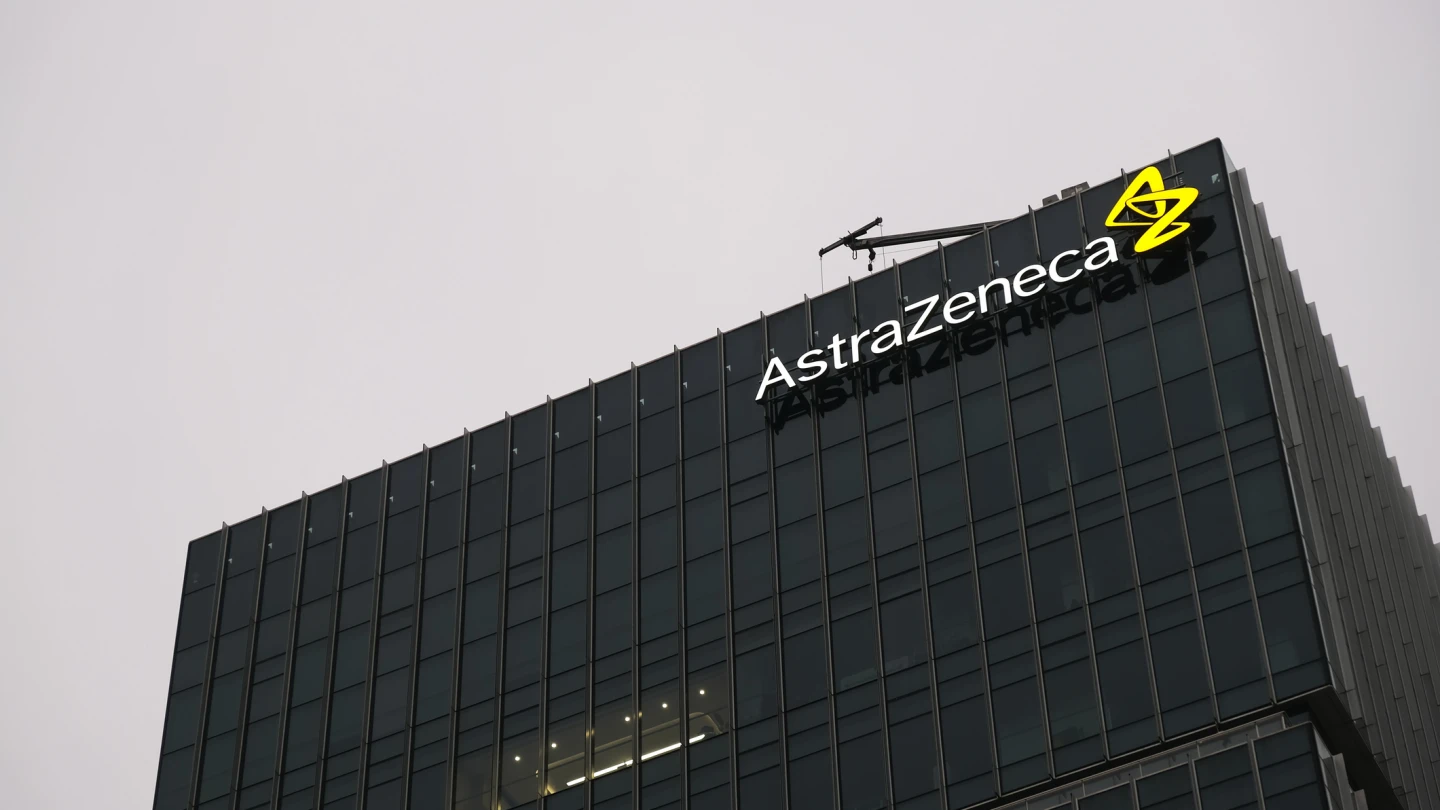
Friday’s deal with CSPC fits neatly within AstraZeneca’s business development strategy of upping investments in AI and in China.

Martin Kulldorff and Robert Malone, both outspoken vaccine skeptics, have received compensation for their expert participation in various vaccine-related cases against Merck.

The FDA’s Oncologic Drugs Advisory Committee narrowly voted against the approval of Zusduri, citing the lack of a completely randomized study to back up the application.

Scientists and analysts express concern that the newly appointed ACIP members—which include known anti-vaxxers—could relitigate recommendations that have already been made. Many are imploring Sen. Bill Cassidy to step up.

The biopharma job market failed to turn around in May, but employers were still hiring, especially in Indiana and California, based on BioSpace data. The two states had the most job postings live on BioSpace last month, with Indiana showing a 108% year-over-year increase.

BioNTech will get CureVac’s early-stage cancer assets, including its mRNA-based glioblastoma therapy currently in Phase I development. CureVac had previously sued BioNTech for copyright infringement related to mRNA vaccine technology.