
News

Analysts are cautiously optimistic about an IPO rebound for biopharma. BioSpace is keeping track of companies that seek to trade on the public markets this year.


FEATURED STORIES

The first gene therapies approved to treat sickle cell disease in December 2023 are struggling on the market. But there are glimpses of forward momentum as Vertex and Genetix Bio provide updates.

After last year’s ‘stampede’ for FGF21 assets, the focus for the metabolic dysfunction-associated steatohepatitis space has shifted toward differentiated approaches, such as THR-β agonists and combination treatments, that seek to mirror the commercial success of Madrigal’s Rezdiffra.

Maintaining America’s momentum demands that policymakers resist policies that undermine research and development incentives.





FROM OUR EDITORS
Read our takes on the biggest stories happening in the industry.

Following the FDA’s refusal to review Moderna’s investigational mRNA flu vaccine last week, Commissioner Marty Makary faced questions from the U.S. president about the agency’s handling of vaccines. It’s a clear signal that the tension long brewing at the drug regulator has now gone all the way to the top.
THE LATEST

The inaugural 40 Under 40 cohort includes CEOs, leaders who have founded or co-founded their company and executives from a range of disciplines. Winners’ accomplishments include shaping drug development, achieving key FDA milestones and launching a new field of study.

Cell and gene therapy experts question where the FDA designation fits in an environment that features a range of intersecting regulatory perks.

A new group of CDC advisors voted last month to separate the chickenpox vaccine from the measles, mumps, rubella components of the MMRV shot due to concerns over febrile seizures, while recommending a more risk-based approach to COVID-19 immunizations that mirrors recent FDA approvals.

The hold was placed earlier this year when the FDA asked for more preclinical data, but the agency was slow to respond due to ‘strain’ on its capacity, according to Neurizon.
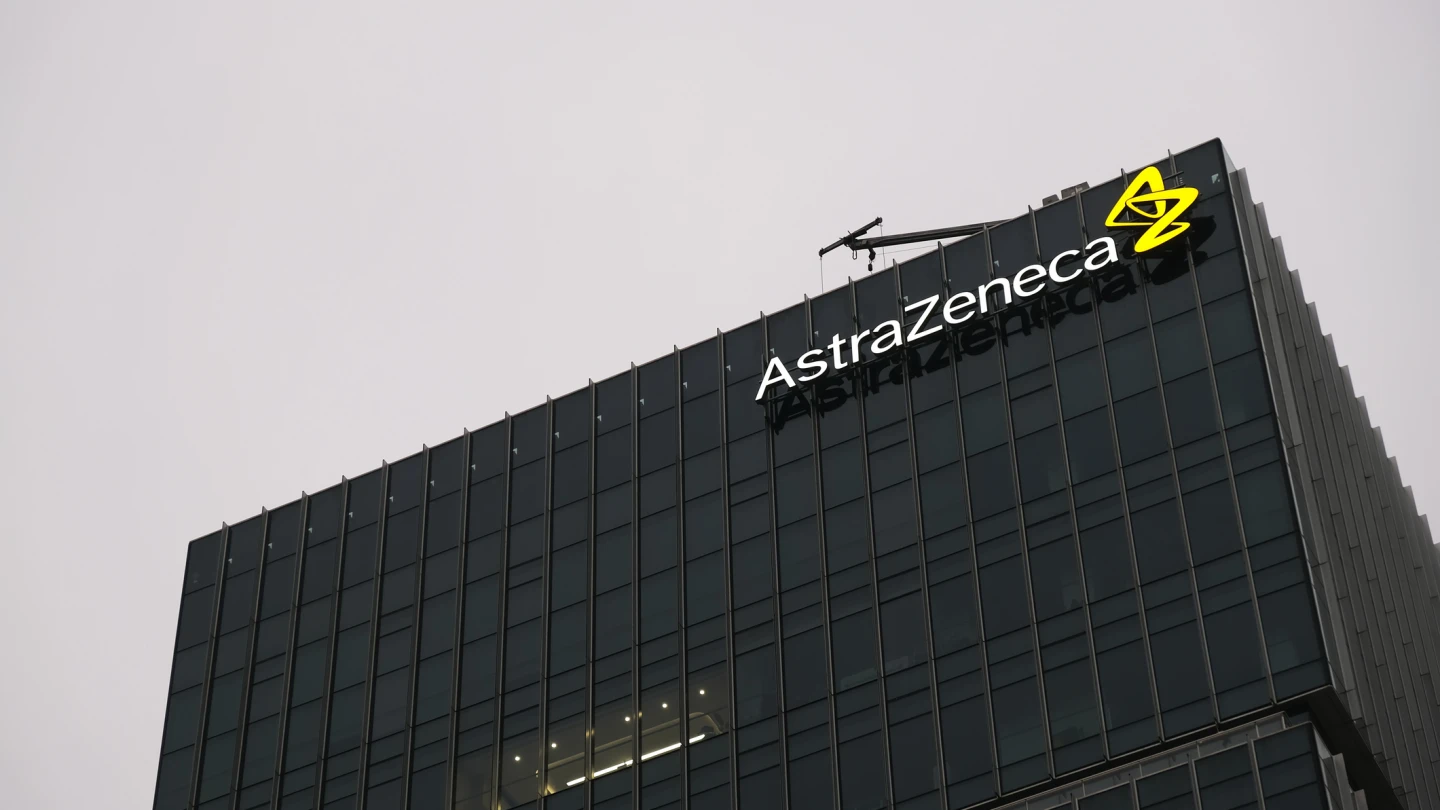
AstraZeneca has invested heavily in AI, primarily through collaborations, including an up to $5.3 billion partnership with China’s CSPC Pharmaceutical in June.

This latest FDA program aims to provide speedier reviews for generic drugmakers who produce their products in the U.S.

Rocket Pharmaceuticals’ strategic realignment initiative in July pulled funding from fanca-cel, which the biotech was developing for Fanconi anemia.

The centerpiece of the collaboration is the gene editor ABO-101, being developed for primary hyperoxaluria type 1, a rare disease that leads to severe kidney stones.

As industry leaders gather at the annual event in Phoenix, the cell and gene therapy space remains in a state of flux, with M&A activity and regulatory support signaling momentum while commercialization challenges continue to hinder broader investor interest.

Smarter design through targeted delivery and human-relevant testing can save the industry from costly safety failures.