
News

Roche said the Phase II results help build the case for advancing CT-388 into late-stage testing, which is set to get underway this quarter.


FEATURED STORIES

Some 200 rare disease therapies are at risk of losing eligibility for a pediatric priority review voucher, a recent analysis by the Rare Disease Company Coalition shows. That could mean $4 billion in missed revenue for already cash-strapped biotechs.

Together with robust data-driven modeling, rethinking regulation and data use could push forward a notoriously challenging field.

From opening new therapeutic mechanisms to repairing neuronal damage, investigational molecules from Ventyx Therapeutics, AC Immune, Gain Therapeutics and more could shape the future of Parkinson’s disease treatment.



FROM OUR EDITORS
Read our takes on the biggest stories happening in the industry.

The FDA’s rare pediatric disease priority review voucher program missed reauthorization at the last minute in 2024; advocates have been fighting to get it back ever since.
THE LATEST

Biotech entrepreneur Arie Belldegrun and former Roche CEO Franz Humer are part of the credit firm’s push to provide companies with another source of funding, Symbiotic Capital announced Tuesday.
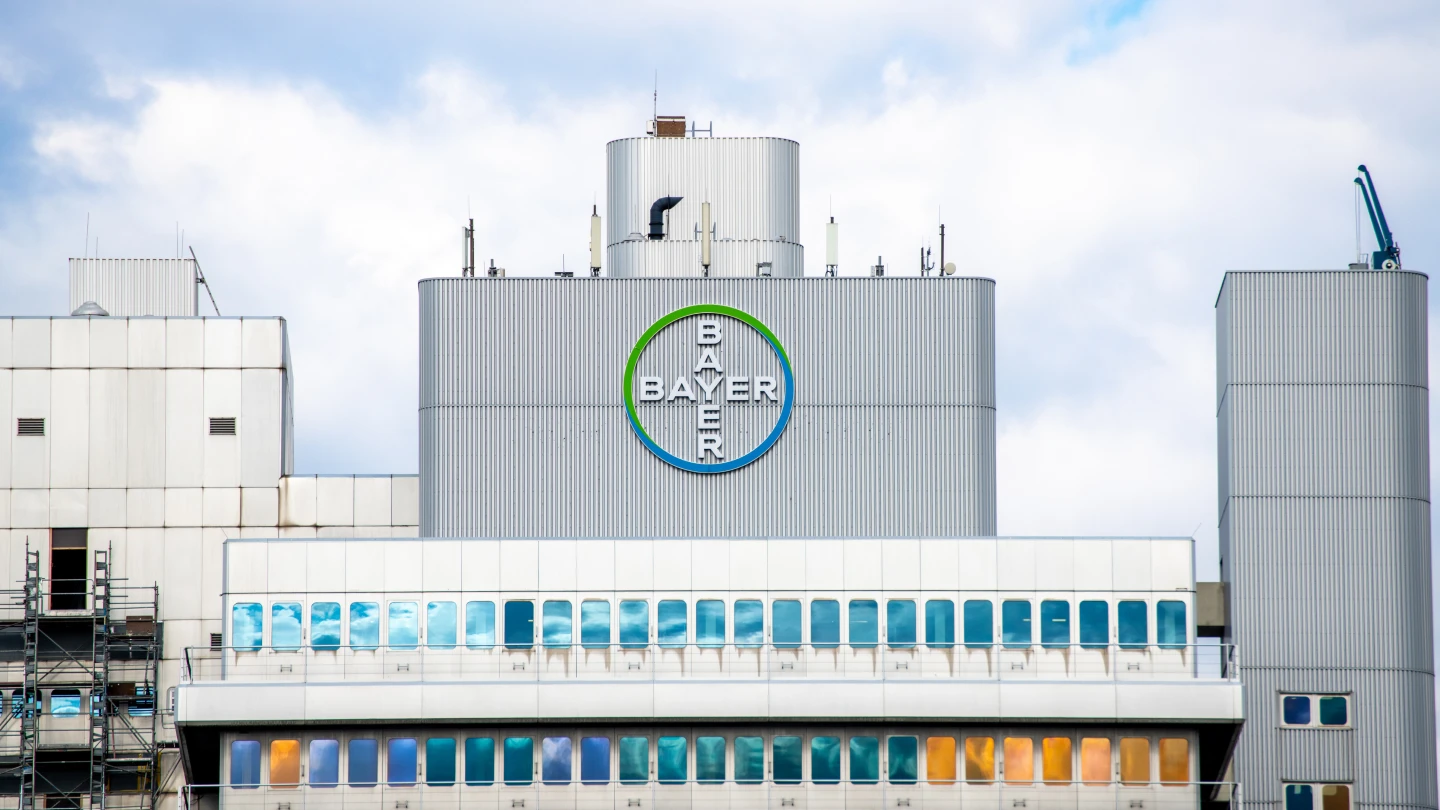
Bayer’s surprising growth in the second quarter was driven in large part by two pharma products: the prostate cancer drug Nubeqa and the chronic kidney disease treatment Kerendia.

BioMarin Pharmaceuticals on Monday said it is restricting sales of its hemophilia A gene therapy to three countries in an effort to reduce costs and help the treatment become profitable by 2025.

The specialty pharmaceutical company has twice filed for bankruptcy in recent years, driven by opioid-related litigation. Mallinckrodt’s deal with CVC will allow it to pay off more than half of its net debt.

The FDA is looking for stronger overall survival data to back Actinium’s application for Iomab-B, an investigational therapy that will allow acute myeloid leukemia patients to receive bone marrow transplants.

Whether they’re newly minted managers or C-suite executives, effective managers often lead with empathy, intellectual curiosity and vulnerability.

With the late-stage win, Bayer announced Monday that it plans to talk to regulators about seeking approval in an indication that is central to its $3 billion-plus peak sales forecast.

As part of a pipeline realignment, Bristol Myers Squibb is returning the rights to Agenus for its proprietary TIGIT bispecific antibody program and terminating their 2021 license, development and commercialization agreement.

BioNTech on Monday reported nearly $885 million in losses in the second quarter of 2024, compared to $208.5 million during the same period last year.

All doses of Eli Lilly’s type 2 diabetes medication Mounjaro and weight-loss drug Zepbound are now available, according to an update on Friday to the FDA’s drug shortage database.