
News

After years of suffering from a bear market and more than 14 months of geopolitical turmoil shaking the macroenvironment, biotech appears to be moving on.


FEATURED STORIES

New guidelines from two leading medical associations suggest that efforts to reduce bad cholesterol should focus on maintaining low levels of two key lipoproteins. Big pharma is all in, looking to improve on the standard statins to help vanquish America’s number one killer: heart disease.

The FDA’s decision last year to make complete response letters public provides new insight into why therapies sometimes fail to get the regulatory greenlight. Analysts say the information could help sponsors refine their regulatory strategies.

The Department of Health and Human Services is spinning its wheels, unable to establish steady leadership at three major divisions—the CDC and the FDA’s two primary review units.





FROM OUR EDITORS
Read our takes on the biggest stories happening in the industry.

Robert F. Kennedy Jr.’s health department has consistently touted radical transparency as being key to its mission. Recent instances—the FDA’s decision not to disclose the recipients of three Commissioner’s National Priority Vouchers and FDA and CDC choices not to publish vaccine-related papers—call this intent into question.
THE LATEST

At the GenScript Biotech Global Forum 2025, industry leaders celebrated CAR T cell therapy achievements while discussing ongoing challenges in manufacturing, distribution, treatment center capacity, and global payment structures for cell and gene therapies.

AI is enabling the development of a next generation of drugs that can more precisely target cancer cells while sparing healthy tissues.

After the gutting of the Department of Health and Human Services, fears mount about the future direction of the FDA—with regulatory experts predicting delays in drug approvals and greater influence of political appointees.

Lined up for the FDA in the coming weeks are a cell-based gene therapy for a rare skin disease and two product expansions for Regeneron, one with partner Sanofi.

Health and Human Services employees aren’t the only ones out of work. Thousands of private-sector biopharma professionals lost their jobs in the first quarter.

As the biopharma industry grapples with the uncertain macro environment brought on by the new administration, CEOs, regulators and many others speak out.

According to analysts at Jefferies, legislation such as the newly proposed bills that aim to streamline regulatory processes would be a positive for the biotech industry.
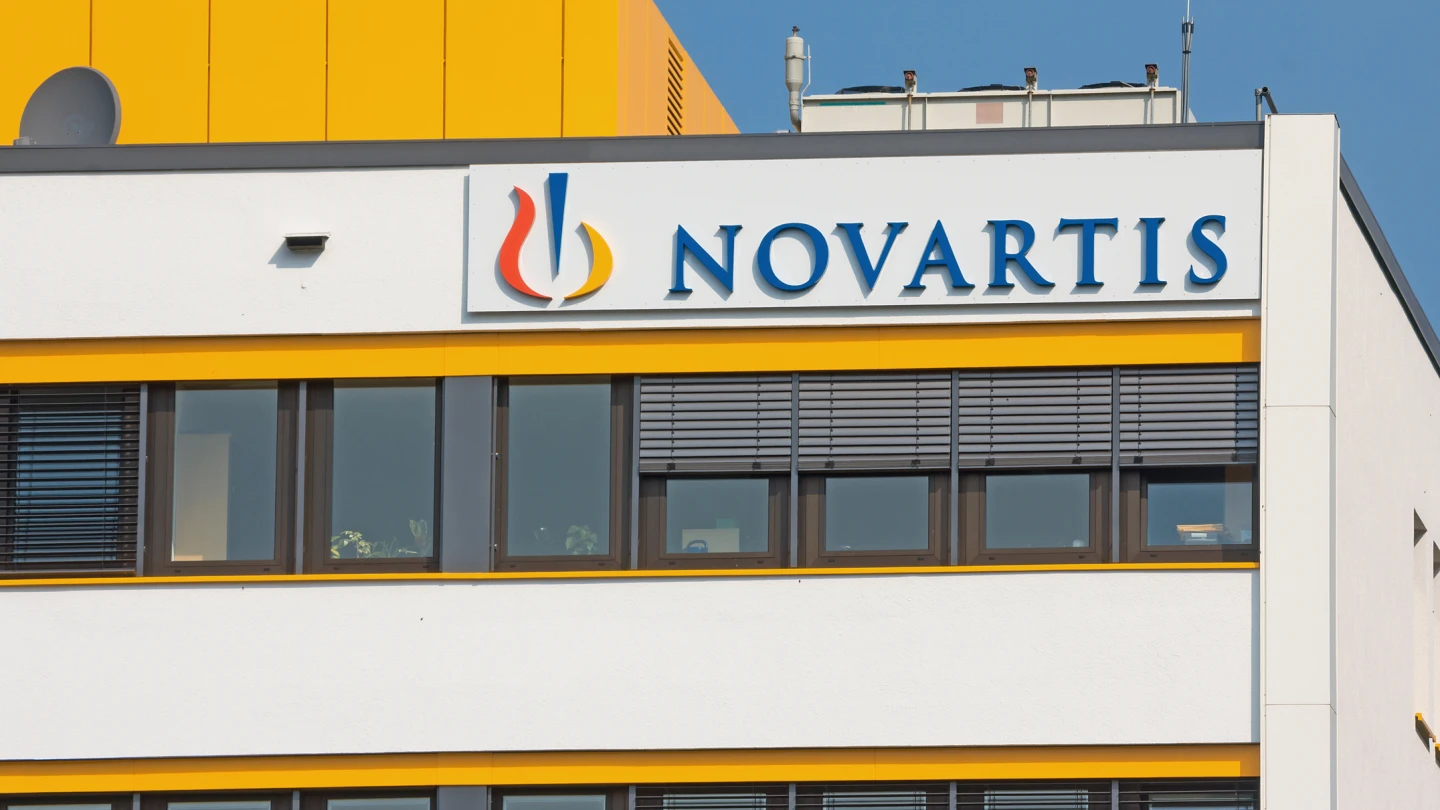
Novartis plans to build seven new facilities in the U.S., touting the creation of up to 1,000 new jobs at the company. The new facilities will include a biomedical research hub in California, two radioligand plants, and four manufacturing sites.

Analysts at William Blair expect drug developers will continue to perform “at least some animal testing” on their investigational products. Though the process to phase out animal testing will begin “immediately,” no specific timetable was given.

Biotech companies are already seeing regulatory delays and plenty of uncertainty after around 3,500 FDA employees were cut by the Trump administration.