
News

Anticipated to be one of fastest-growing jobs in manufacturing, pharmaceutical jobs offer a salary 32% higher than the average U.S. manufacturing role.


FEATURED STORIES

If cell and gene therapy makers are going to achieve their mission to improve patients’ lives, the industry must come together to share information across stakeholders, from regulators to manufacturers to payers.

While drugmakers and other stakeholders want to see faster approvals, experts say the FDA’s Commissioner’s National Priority Voucher program is still bereft of important details, with candidate selection and interference from the agency’s senior leaders topping the list.

UniQure’s planned third-quarter submission for its Huntington’s disease gene therapy may be a harbinger of a more flexible FDA under acting commissioner Kyle Diamantas—but how long will it last? And how can companies be sure these positive decisions won’t just be reversed?



FROM OUR EDITORS
Read our takes on the biggest stories happening in the industry.

FDA veteran Peter Marks will now shape the future of Eli Lilly’s vaccines work after the buys of Curevo, LimmaTech Biologics and Vaccine Company for up to $3.8 billion total.
THE LATEST

After a period of diversification, Novo Nordisk is returning to its roots by focusing on the 2 billion people with diabetes, obesity or overweight.

BMO analysts say Eli Lilly is well-positioned to maintain its lead in the ballooning weight loss space, predicting “strengthening leadership in obesity and beyond” as portfolios expand and patient access improves.

Biopharma companies—including AstraZeneca, BioNTech and Agios—peered farther into the future on the second day of JPM, setting both revenue and R&D targets through the end of the decade.
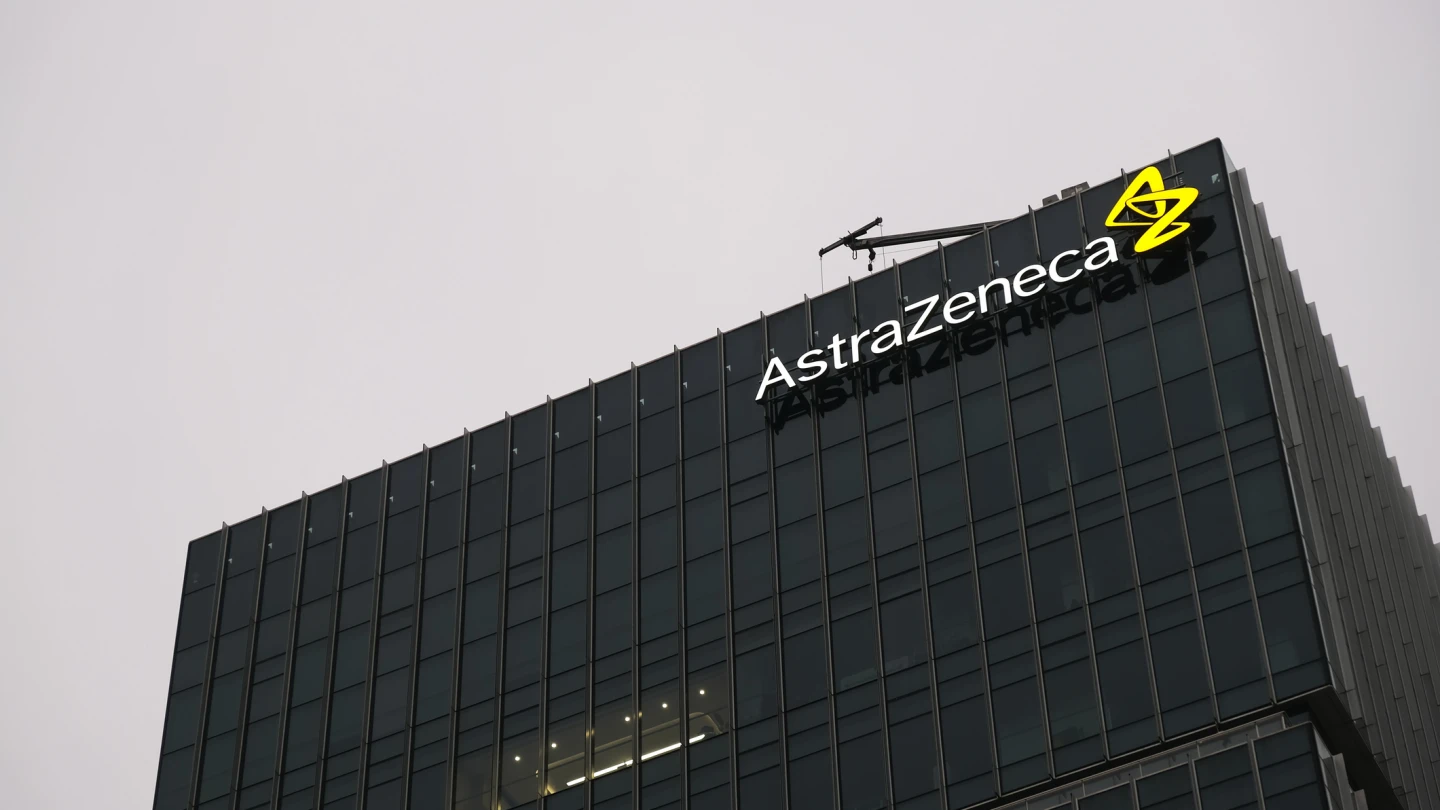
AstraZeneca is relying on several upcoming products to help hit its target of $80 billion in revenue by 2030, including drugs for hypertension, breast cancer and generalized myasthenia gravis, all of which are currently under FDA review.

A more detailed review of data by the FDA showed that GLP-1 drugs do not increase the risk of suicidal ideation or behavior.

AbbVie and Novartis strike billion-dollar pacts while attendees at the J.P. Morgan Healthcare Conference await that one big M&A deal and Merck teases limitless buying capacity; Eli Lilly readies for potential orforglipron launch while Novo Nordisk laments compounders; the IPO window cracks open; and the FDA concludes that GLP-1s do not pose a suicide risk.

Speaking to BioSpace at the J.P. Morgan Healthcare Conference, Novartis’ chief dealmaker Ronny Gal explains why the Swiss pharma hasn’t acquired a GLP-1, and why it probably won’t.

There hasn’t been a headline-stealing deal at J.P. Morgan yet. Nevertheless, the mood is positive amid green shoots and a flurry of dealmaking to end 2025.

Merck CEO Rob Davis expressed high confidence during the company’s J.P. Morgan presentation on Monday, revealing that the company is open to deals in the range of “multi tens of billions of dollars.”

Acadia Pharma’s Catherine Owen Adams is one of the founders of a group of small- to mid-cap biotechs advocating against a ‘peanut butter blanket’ approach to drug pricing for small companies.