
News

The antibody-drug conjugate, withdrawn from the market by GSK in 2022 after failing a confirmatory study, was approved Thursday by the FDA for previously treated patients with multiple myeloma. This is despite a negative advisory committee vote in July.


FEATURED STORIES

Robert F. Kennedy Jr. repeated a series of anti-vaccine talking points during his appearance in front of the Senate finance committee on Thursday, as Democratic and Republican senators alike hammered the Health Secretary on recent COVID-19 vaccine restrictions and his views on Operation Warp Speed.

As AAV9 and CRISPR programs navigate safety, delivery and scalability hurdles, small molecules offer a deployable, scalable bridge, complementing genetic approaches and accelerating meaningful impact for patients with Duchenne muscular dystrophy.

It can cure deadly diseases, save long-term healthcare costs and transform lives. But the U.S. insurance system still isn’t ready to pay for it.
Job Trends
GSK plc (LSE/NYSE: GSK) today announced updated, longer-term results from the phase II supported collaborative study with Memorial Sloan Kettering Cancer Center (MSK) evaluating Jemperli (dostarlimab-gxly) as a first-line treatment—as an alternative to surgery—for mismatch repair deficient (dMMR) locally advanced rectal cancer.
FROM OUR EDITORS
Read our takes on the biggest stories happening in the industry.

Nearly 90% of senior leaders who were at the FDA a year ago are no longer with the agency, a BioSpace analysis shows. None remain from the Office of the Commissioner.
THE LATEST

The hold was placed earlier this year when the FDA asked for more preclinical data, but the agency was slow to respond due to ‘strain’ on its capacity, according to Neurizon.
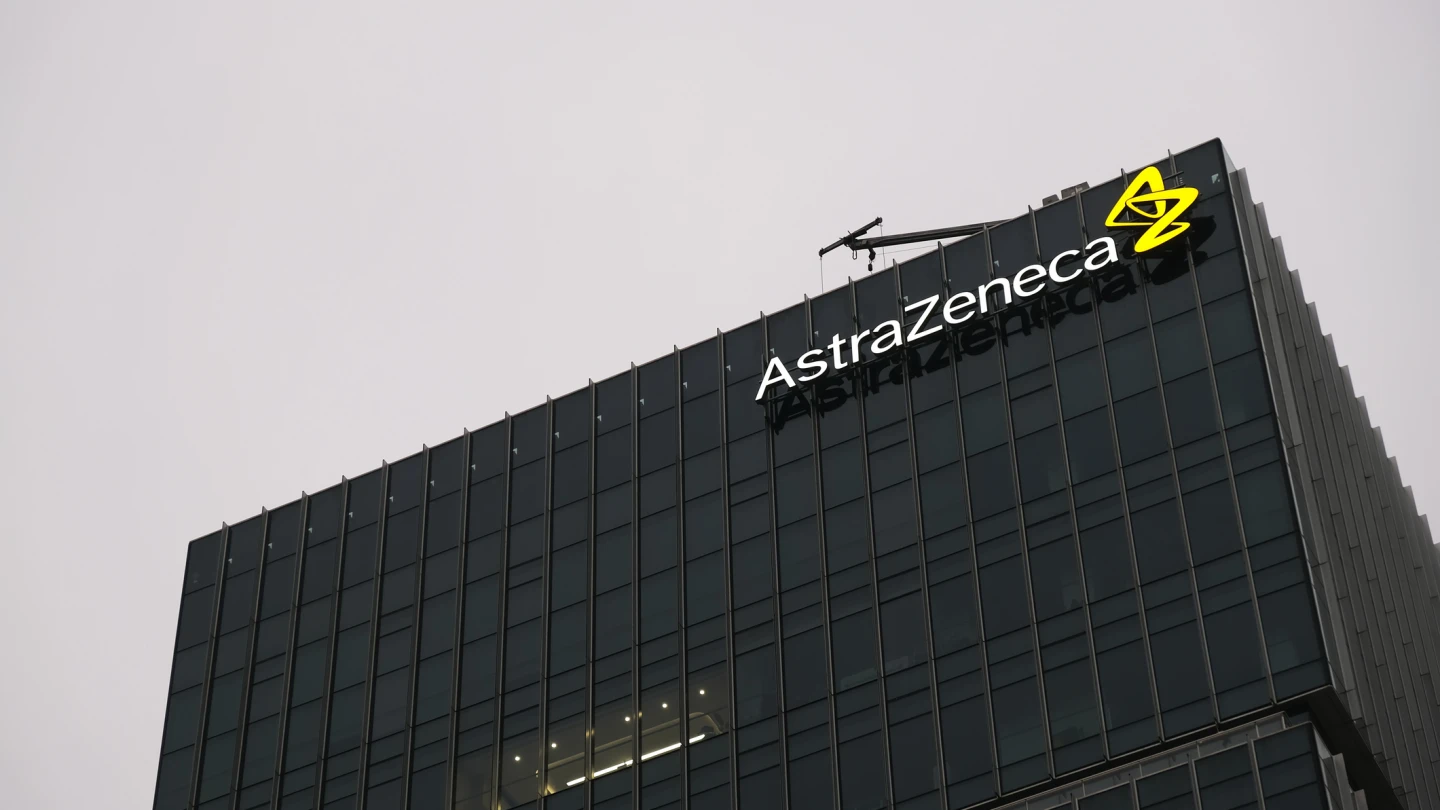
AstraZeneca has invested heavily in AI, primarily through collaborations, including an up to $5.3 billion partnership with China’s CSPC Pharmaceutical in June.

This latest FDA program aims to provide speedier reviews for generic drugmakers who produce their products in the U.S.

Rocket Pharmaceuticals’ strategic realignment initiative in July pulled funding from fanca-cel, which the biotech was developing for Fanconi anemia.

The centerpiece of the collaboration is the gene editor ABO-101, being developed for primary hyperoxaluria type 1, a rare disease that leads to severe kidney stones.

As industry leaders gather at the annual event in Phoenix, the cell and gene therapy space remains in a state of flux, with M&A activity and regulatory support signaling momentum while commercialization challenges continue to hinder broader investor interest.

Smarter design through targeted delivery and human-relevant testing can save the industry from costly safety failures.

While Bruton’s tyrosine kinase inhibitors are often hailed as the next big breakthrough in multiple sclerosis, Immunic Therapeutics and others are leveraging neuroprotective targets and remyelination to keep the disease at bay.

Jeanne Marrazzo, former director of the National Institutes of Allergy and Infectious Disease, was formally terminated Thursday after months on administrative leave, after filing a whistleblower report.

Expanded exemptions for orphan drugs could mean prolonged protections for top-selling drugs like Merck’s Keytruda, which was initially approved under this designation in 2014.