
News

Investor enthusiasm and evolving FDA pathways are accelerating rare disease drug development, with ultrarare conditions like MPS II moving into the spotlight.


FEATURED STORIES

After advancing in lockstep through the pandemic, the fortunes of the biotechs have diverged as their use of COVID-19 windfalls has taken shape.

After suffering in the wake of expired tax incentives for pharmas, the island is trying to take advantage of geopolitics to grow its drug manufacturing sector.

AstraZeneca’s $15 billion pledge to its China operations highlights the country’s advantages. But other regions are also hoping to host more clinical studies.



FROM OUR EDITORS
Read our takes on the biggest stories happening in the industry.

Phacilitate’s annual event dawns as cell and gene therapies reach a new tipping point: the science has hit new heights just as regulatory and government policies spark momentum and frustration.
THE LATEST

Roche’s oral GLP-1 receptor agonist CT-996—obtained in the $2.7 billion acquisition of Carmot Therapeutics—reduced body weight by more than 6% at four weeks versus placebo in a Phase I trial.

As scrutiny of pharmacy benefit managers mounts, a House committee will hold a hearing on the alleged anticompetitive business practices of these middlemen.
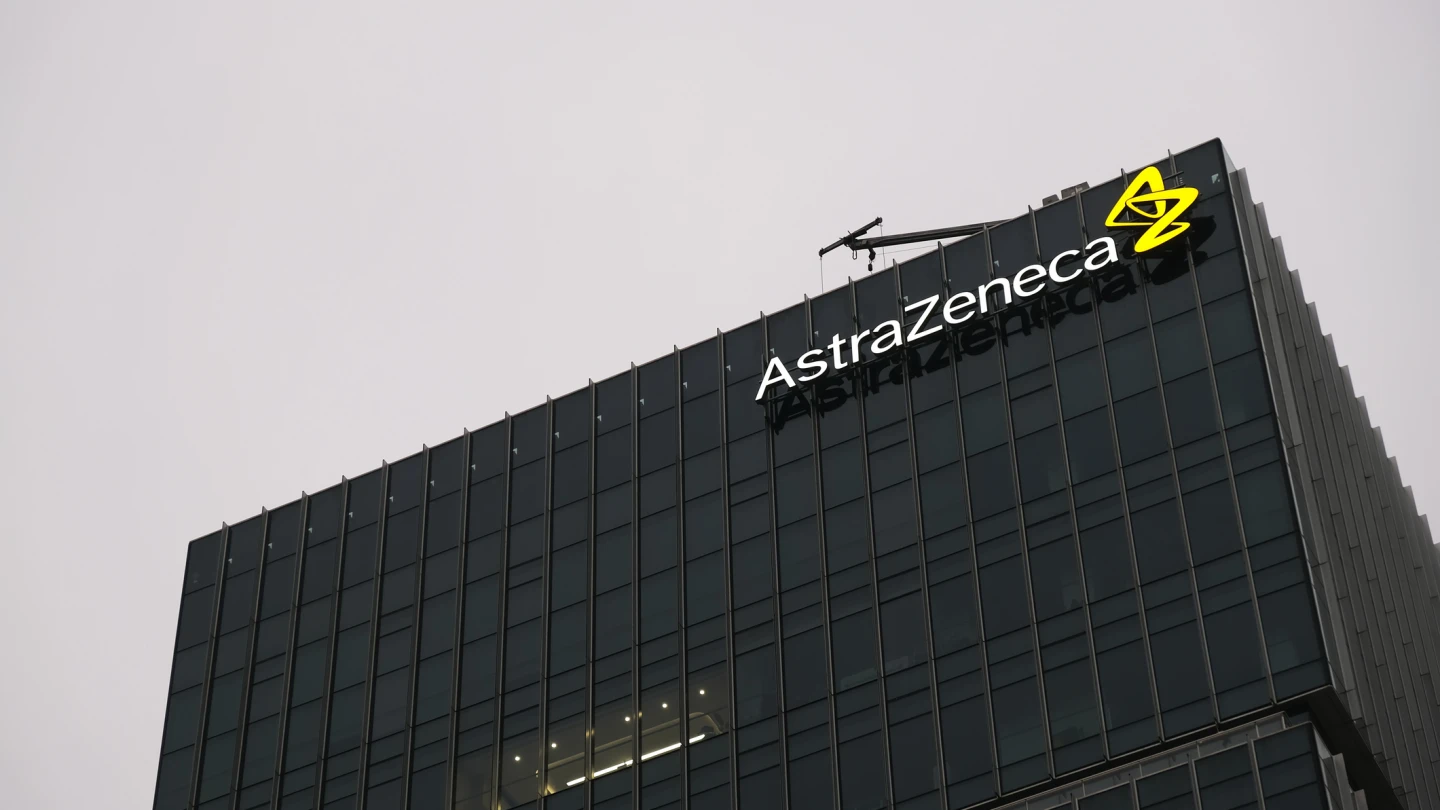
AstraZeneca joins Johnson & Johnson and Bristol Myers Squibb in appealing a previous legal loss for its challenge to the government’s drug price-setting program.

Citing the need for another human factor study and more technical data for the final product, the FDA denied approval of Orexo’s nasal spray rescue medication for opioid overdose.

Pfizer selects its candidate for the oral GLP-1 race as Eli Lilly strives to overtake Novo Nordisk in the injectable weight-loss drug space. Meanwhile, pressure builds to reduce drug prices in the U.S.

Restructuring can invite lawsuits if companies aren’t careful. Following local, state and federal rules is critical, as is keeping the employee handbook current.

This week, Carina discusses how to transition into a career in biotech when you don’t have lab experience. Plus, handling difficult interviews and getting a “dry” promotion.

Backed by Bain Capital, Cardurion Pharmaceuticals will use the Series B funds to advance two assets for heart failure and other cardiovascular conditions.

Asceneuron, which develops small molecules targeting tau protein aggregation, plans to use the funds to advance its Alzheimer’s disease asset into Phase II.

To help keep pace with the demand for GLP-1 therapies, CordenPharma has announced a sizeable $980 million investment in its U.S. and European sites.