
News

Congressional letters sent to the CEOs of Eli Lilly, Pfizer, Merck, BMS and AbbVie this week voicing concerns about the pharmas’ clinical trials in China highlight an ongoing discrepancy in how government and industry think about the rise of the Asian country’s biotech industry.


FEATURED STORIES

The total of 52 mergers and acquisitions for the first half of 2026 reflects what analysts, industry watchers and executives are saying over and over: M&A is back.

At the BIO International Convention in San Diego, attendees marked the 50th anniversary of original biotech Genentech, reflecting on the immense challenges facing companies as China becomes a powerhouse innovator.

A recent FDA reversal sparked new hope for patients with Huntington’s disease. Flying under the radar, Skyhawk Therapeutics revealed 12-month functional data from a midstage trial of its own candidate showing improvements on a key disease measurement scale.



FROM OUR EDITORS
Read our takes on the biggest stories happening in the industry.

If cell and gene therapy makers are going to achieve their mission to improve patients’ lives, the industry must come together to share information across stakeholders, from regulators to manufacturers to payers.
THE LATEST

AI is enabling the development of a next generation of drugs that can more precisely target cancer cells while sparing healthy tissues.

After the gutting of the Department of Health and Human Services, fears mount about the future direction of the FDA—with regulatory experts predicting delays in drug approvals and greater influence of political appointees.

Lined up for the FDA in the coming weeks are a cell-based gene therapy for a rare skin disease and two product expansions for Regeneron, one with partner Sanofi.

Health and Human Services employees aren’t the only ones out of work. Thousands of private-sector biopharma professionals lost their jobs in the first quarter.

As the biopharma industry grapples with the uncertain macro environment brought on by the new administration, CEOs, regulators and many others speak out.

According to analysts at Jefferies, legislation such as the newly proposed bills that aim to streamline regulatory processes would be a positive for the biotech industry.
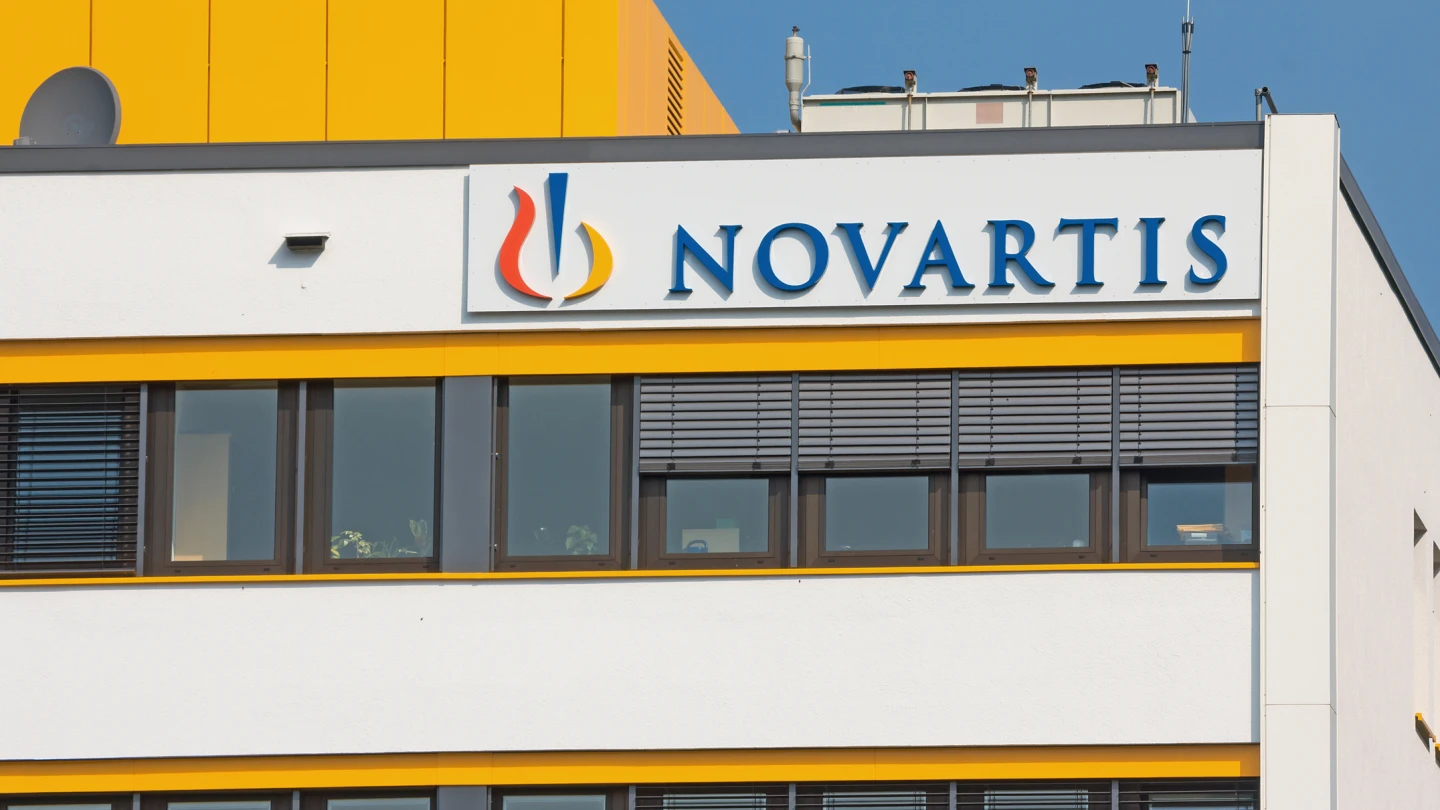
Novartis plans to build seven new facilities in the U.S., touting the creation of up to 1,000 new jobs at the company. The new facilities will include a biomedical research hub in California, two radioligand plants, and four manufacturing sites.

Analysts at William Blair expect drug developers will continue to perform “at least some animal testing” on their investigational products. Though the process to phase out animal testing will begin “immediately,” no specific timetable was given.

Biotech companies are already seeing regulatory delays and plenty of uncertainty after around 3,500 FDA employees were cut by the Trump administration.

Pharma stocks went on a wild ride Wednesday amid whiplashing tariff threats from the U.S. president.