
News

Congressional letters sent to the CEOs of Eli Lilly, Pfizer, Merck, BMS and AbbVie this week voicing concerns about the pharmas’ clinical trials in China highlight an ongoing discrepancy in how government and industry think about the rise of the Asian country’s biotech industry.


FEATURED STORIES

The total of 52 mergers and acquisitions for the first half of 2026 reflects what analysts, industry watchers and executives are saying over and over: M&A is back.

At the BIO International Convention in San Diego, attendees marked the 50th anniversary of original biotech Genentech, reflecting on the immense challenges facing companies as China becomes a powerhouse innovator.

A recent FDA reversal sparked new hope for patients with Huntington’s disease. Flying under the radar, Skyhawk Therapeutics revealed 12-month functional data from a midstage trial of its own candidate showing improvements on a key disease measurement scale.



FROM OUR EDITORS
Read our takes on the biggest stories happening in the industry.

If cell and gene therapy makers are going to achieve their mission to improve patients’ lives, the industry must come together to share information across stakeholders, from regulators to manufacturers to payers.
THE LATEST

The Commissioner’s National Priority Vouchers aim to offer accelerated pathways to drugs that meet certain criteria, perhaps including a low price-tag. But the policy is vaguely defined and was announced without public input, going against the FDA’s own published practices, experts say.

The collaboration focuses on ‘molecular gates,’ a class of molecules that the startup company Gate Bioscience says can stop pathogenic proteins from leaving the cell.

The European Union’s health regulatory agency did not endorse approving Elevidys for ambulatory patients with Duchenne muscular dystrophy.

The strategic reprioritization comes after the company hit two major hurdles in the past year, including a clinical hold for an investigational gene therapy and an FDA rejection for its lead asset.

CBER is unanimously against Elevdiys’ return to the market without additional evidence, according to media reports citing an anonymous senior FDA official. Given Elevidys’ full approval, however, experts told BioSpace this path would set up a length legal battle between the regulator and Sarepta Therapeutics.
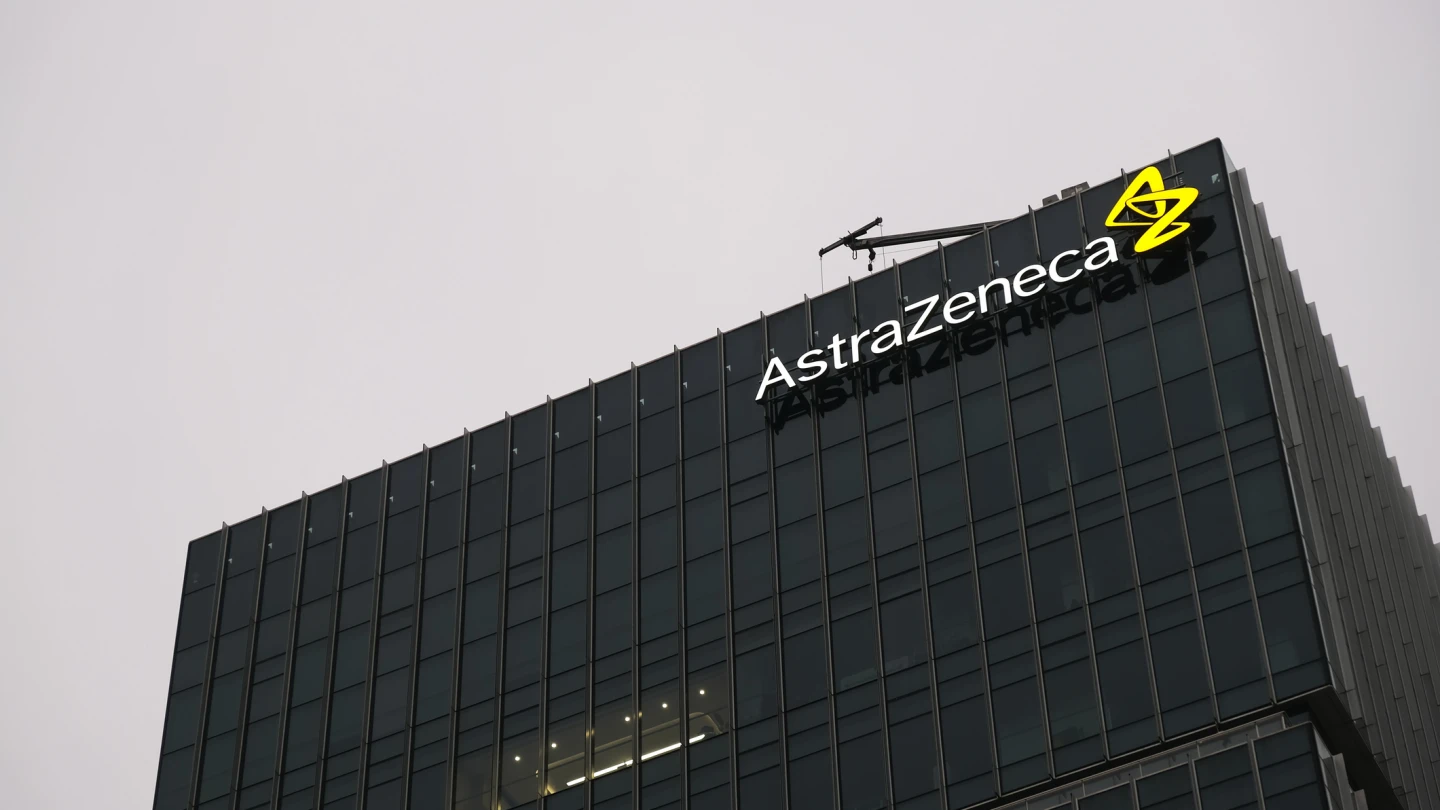
The company didn’t share specific data for the molecule, gefurulimab, but said it hit all endpoints in the Phase III PREVAIL trial and promised to share more at an upcoming scientific meeting.

The partnership with Matchpoint Therapeutics gets Novartis global rights on all molecules for several unannounced inflammatory diseases identified through the biotech’s discovery platform.

Companies sometimes miss the mark when it comes to telling employees they’re out of a job. From accidental goodbyes to surprise meetings, there are many strange ways biopharma professionals have learned about layoffs.

Second-quarter earnings come amid many high-level challenges for the biopharma industry. How will these five closely watched biotechs fare?

The new target action date for Blenrep, which GSK is proposing for the second-line treatment of relapsed or refractory multiple myeloma, is Oct. 23.