
News

Novo Nordisk beat analyst expectations for the fourth quarter, but the result was overshadowed by softened expectations for this year.


FEATURED STORIES

After advancing in lockstep through the pandemic, the fortunes of the biotechs have diverged as their use of COVID-19 windfalls has taken shape.

After suffering in the wake of expired tax incentives for pharmas, the island is trying to take advantage of geopolitics to grow its drug manufacturing sector.

AstraZeneca’s $15 billion pledge to its China operations highlights the country’s advantages. But other regions are also hoping to host more clinical studies.



FROM OUR EDITORS
Read our takes on the biggest stories happening in the industry.

Phacilitate’s annual event dawns as cell and gene therapies reach a new tipping point: the science has hit new heights just as regulatory and government policies spark momentum and frustration.
THE LATEST

The CDC budget cuts could pose headwinds for HIV drugmakers like Gilead and Merck but are unlikely to severely cripple their HIV divisions, according to analysts.

Layoffs leave more than empty desks—they leave uncertainty, guilt and anxiety. Three simple steps will help you regain control of your work, well-being and career.

Sarepta will update Elevidys’ label after a patient died following treatment; the FDA issues flu vaccine recommendations without advisor input; Trump CDC nominee Dave Weldon pulled at last minute; and FDA decisions expected for Alnylam’s Amvuttra in ATTR-CM and Milestone’s etripamil in tachycardia.

The explosion of GLP-1 weight loss drugs is reminiscent of the early days of PD-1 inhibitors, but key market differences suggest history may not repeat itself.

The ongoing conflicts between Ukraine and Russia, as well as Israel and Palestine, have sent ripples across various industries, including pharma. Medical science liaisons can help.

After a patient taking the Duchenne muscular dystrophy gene therapy Elevidys died of liver injury, Sarepta will update the label to reflect the safety signal.

Mirador debuted last year with a massive $400 million and the goal of developing game-changing therapies for inflammatory and fibrotic diseases. The company aims to enter the clinic this year.

In the third podcast in a special series focused on BioSpace’s NextGen Class of 2025, Senior Editor Annalee Armstrong speaks with Mark McKenna, CEO of Mirador Therapeutics.

Under the terms of the agreement, OPKO will accept 60% of the development costs, while Entera will shoulder 40%.
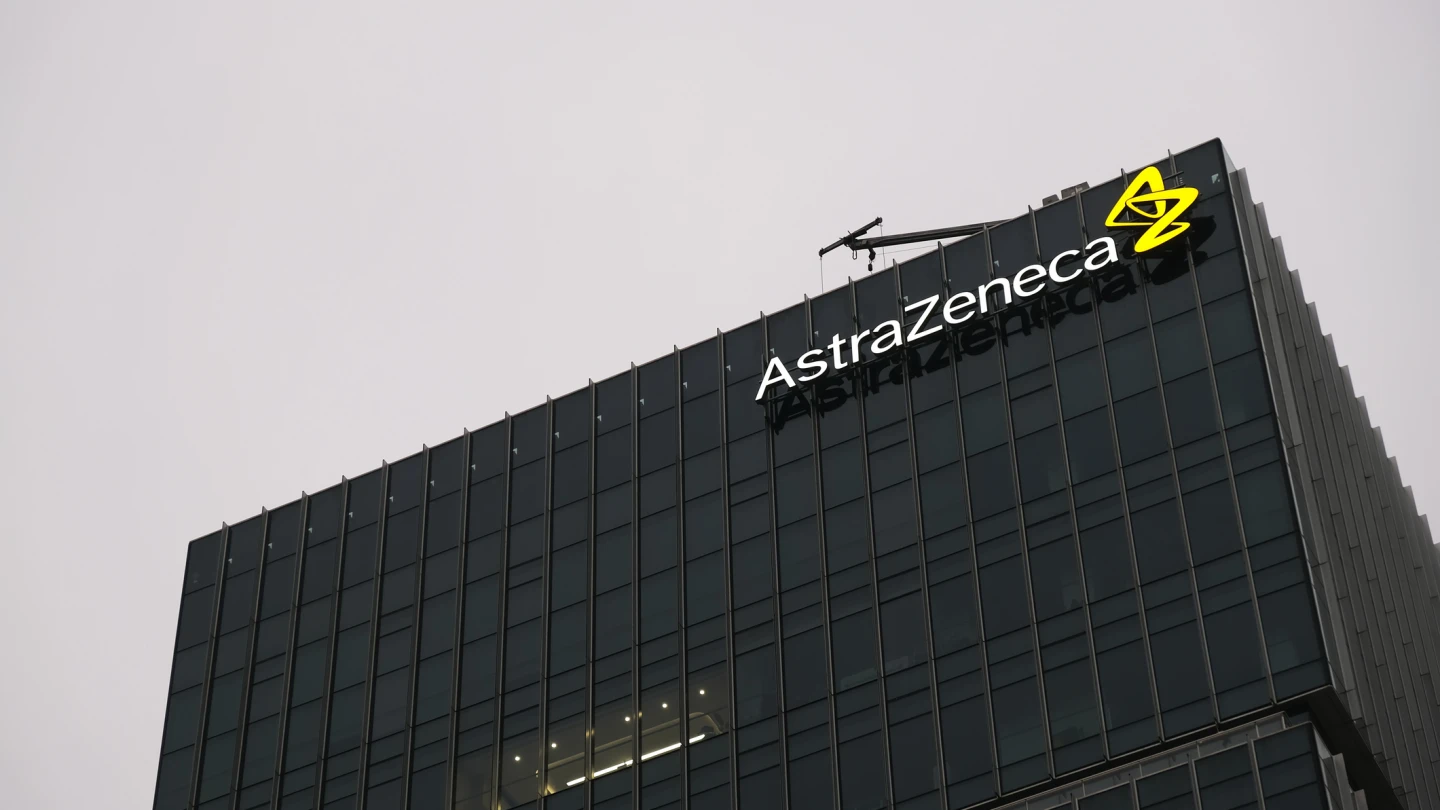
Monday was a busy day for AstraZeneca, which also paid up to $1 billion to acquire Belgian biotech EsoBiotec and its cell therapy pipeline and technology.