
News

The Denton site is part of a network of manufacturing plants Novartis is building across the U.S. to make cancer drugs that must be shipped to patients quickly.


FEATURED STORIES

LB Pharma needed $350 million to advance a promising schizophrenia candidate at a time when the biotech markets were locked up tight. Fortunately, it wasn’t CEO Heather Turner’s first rodeo.

Rare disease drug developers struggle to survive in a biopharma investment market that prioritizes large patient populations. Initiatives like the Orphan Therapeutics Accelerator are attempting to solve what CEO Craig Martin says is not a science problem, but a math problem.

Eli Lilly’s win in a head-to-head trial drove Novo Nordisk’s market cap to pre-Wegovy levels not long after the victor became the first pharma company to top a $1 trillion valuation. It seems one company can do no right, while the other can do no wrong.





FROM OUR EDITORS
Read our takes on the biggest stories happening in the industry.

Following the FDA’s refusal to review Moderna’s investigational mRNA flu vaccine last week, Commissioner Marty Makary faced questions from the U.S. president about the agency’s handling of vaccines. It’s a clear signal that the tension long brewing at the drug regulator has now gone all the way to the top.
THE LATEST

After a period of diversification, Novo Nordisk is returning to its roots by focusing on the 2 billion people with diabetes, obesity or overweight.

BMO analysts say Eli Lilly is well-positioned to maintain its lead in the ballooning weight loss space, predicting “strengthening leadership in obesity and beyond” as portfolios expand and patient access improves.

Biopharma companies—including AstraZeneca, BioNTech and Agios—peered farther into the future on the second day of JPM, setting both revenue and R&D targets through the end of the decade.
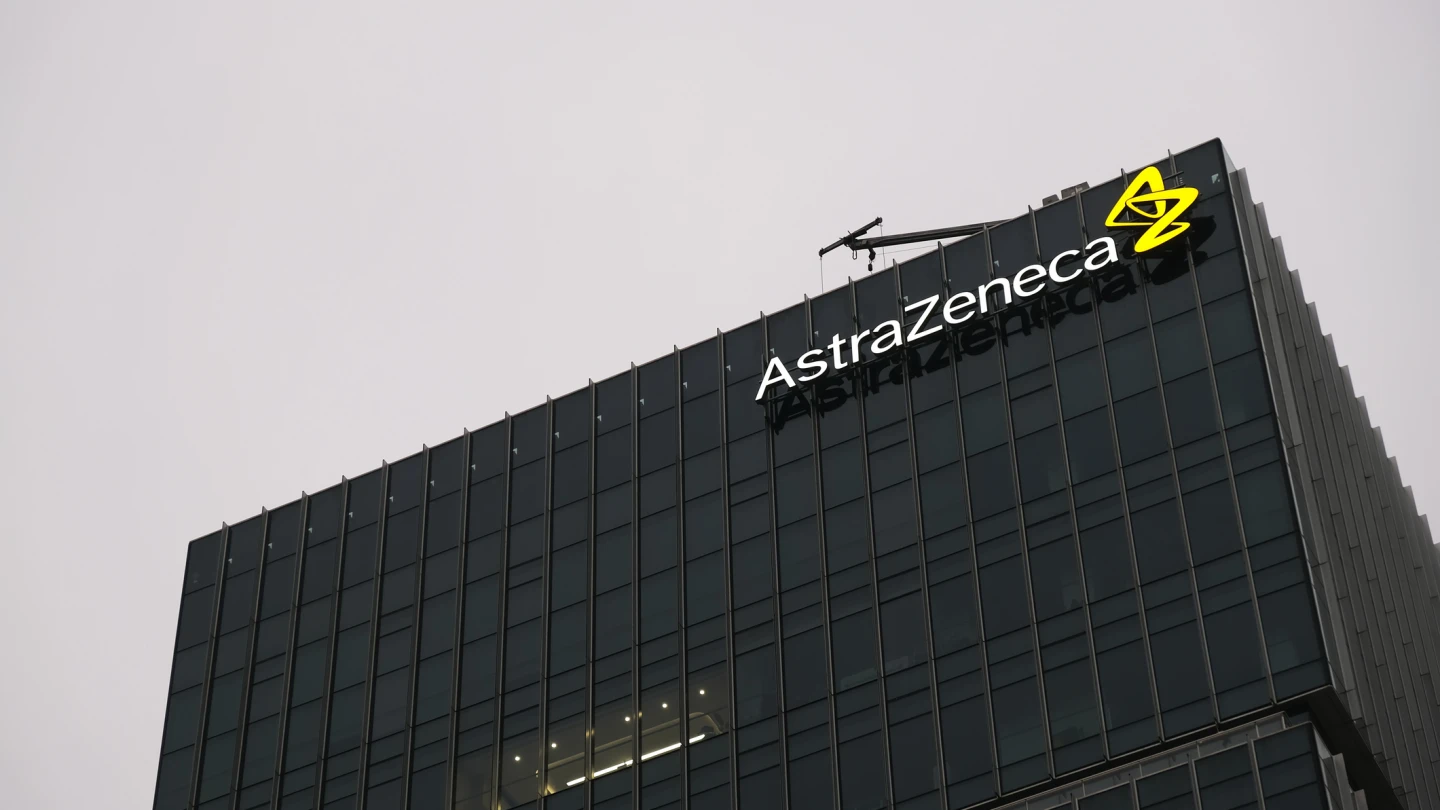
AstraZeneca is relying on several upcoming products to help hit its target of $80 billion in revenue by 2030, including drugs for hypertension, breast cancer and generalized myasthenia gravis, all of which are currently under FDA review.

A more detailed review of data by the FDA showed that GLP-1 drugs do not increase the risk of suicidal ideation or behavior.

AbbVie and Novartis strike billion-dollar pacts while attendees at the J.P. Morgan Healthcare Conference await that one big M&A deal and Merck teases limitless buying capacity; Eli Lilly readies for potential orforglipron launch while Novo Nordisk laments compounders; the IPO window cracks open; and the FDA concludes that GLP-1s do not pose a suicide risk.

Speaking to BioSpace at the J.P. Morgan Healthcare Conference, Novartis’ chief dealmaker Ronny Gal explains why the Swiss pharma hasn’t acquired a GLP-1, and why it probably won’t.

There hasn’t been a headline-stealing deal at J.P. Morgan yet. Nevertheless, the mood is positive amid green shoots and a flurry of dealmaking to end 2025.

Merck CEO Rob Davis expressed high confidence during the company’s J.P. Morgan presentation on Monday, revealing that the company is open to deals in the range of “multi tens of billions of dollars.”

Acadia Pharma’s Catherine Owen Adams is one of the founders of a group of small- to mid-cap biotechs advocating against a ‘peanut butter blanket’ approach to drug pricing for small companies.