
News

Analysts are extremely encouraged by Phase 2 trial results for Relay Therapeutics’ PI3KA inhibitor in treating vascular malformations (VM), prompting the biotech to eye a potential path to accelerated approval.


FEATURED STORIES

Nusano will bring a massive new radioisotope facility in Salt Lake City online by the end of the year, establishing a supply of starting materials for the next generation of radiopharmaceuticals.

Last month, Revolution Medicines’ RAS inhibitor doubled survival in a Phase 3 pancreatic cancer trial. On the biotech’s heels are Immuneering, Actuate Therapeutics, Erasca and more, looking to improve on that result with increased tolerability—and more time for patients.

The recent approval of Regeneron’s Otarmeni underscores the maturation of gene therapies across a range of diseases. Here, BioSpace reviews genetic medicines in development for the central nervous system, retinal, cardiac and neuromuscular diseases.



FROM OUR EDITORS
Read our takes on the biggest stories happening in the industry.

The Department of Health and Human Services is spinning its wheels, unable to establish steady leadership at three major divisions—the CDC and the FDA’s two primary review units.
THE LATEST

At a J.P. Morgan media event Tuesday, the Gilead C-suite seemed to be walking on air as they highlighted Yeztugo’s capture of the HIV market and its plans for business development.

Three years after the accelerated approval of its anti-amyloid Alzheimer’s therapy, Biogen—neck and neck in the market with Eli Lilly and its Kisunla offering—is focused on a near-term FDA decision for a subcutaneous induction dose of Leqembi, a presymptomatic readout in 2028 and a clutch of next-generation candidates.

An inconsistent boom-and-bust cycle funding environment for early-stage biotech innovations and burdensome regulation threaten the U.S.’s half-century-long dominance in the biotech sector.

After a period of diversification, Novo Nordisk is returning to its roots by focusing on the 2 billion people with diabetes, obesity or overweight.

BMO analysts say Eli Lilly is well-positioned to maintain its lead in the ballooning weight loss space, predicting “strengthening leadership in obesity and beyond” as portfolios expand and patient access improves.

Biopharma companies—including AstraZeneca, BioNTech and Agios—peered farther into the future on the second day of JPM, setting both revenue and R&D targets through the end of the decade.
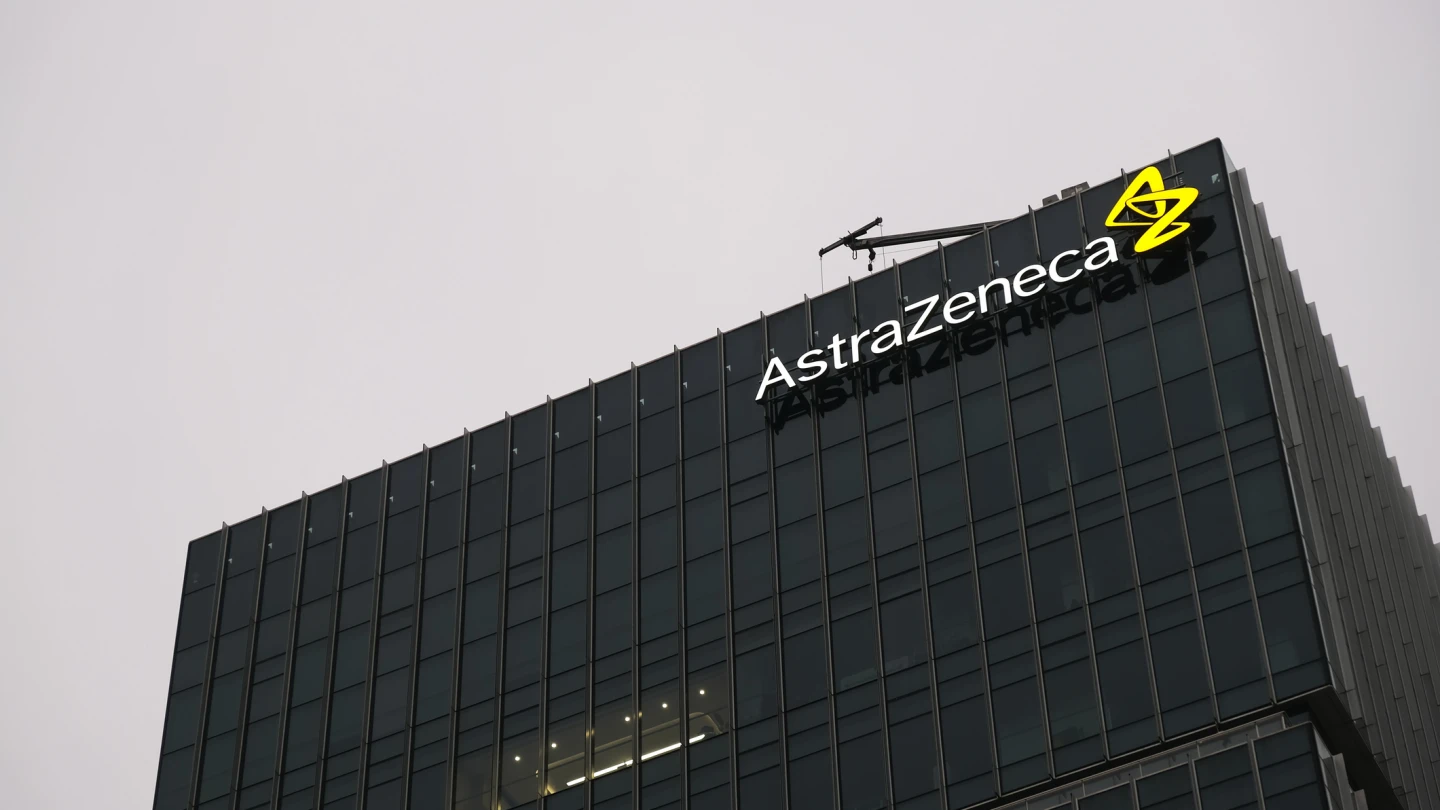
AstraZeneca is relying on several upcoming products to help hit its target of $80 billion in revenue by 2030, including drugs for hypertension, breast cancer and generalized myasthenia gravis, all of which are currently under FDA review.

A more detailed review of data by the FDA showed that GLP-1 drugs do not increase the risk of suicidal ideation or behavior.

AbbVie and Novartis strike billion-dollar pacts while attendees at the J.P. Morgan Healthcare Conference await that one big M&A deal and Merck teases limitless buying capacity; Eli Lilly readies for potential orforglipron launch while Novo Nordisk laments compounders; the IPO window cracks open; and the FDA concludes that GLP-1s do not pose a suicide risk.

Speaking to BioSpace at the J.P. Morgan Healthcare Conference, Novartis’ chief dealmaker Ronny Gal explains why the Swiss pharma hasn’t acquired a GLP-1, and why it probably won’t.