
News

In August last year, the Health Department cut around $500 million in mRNA research funding, with Health Secretary Robert F. Kennedy Jr. saying the agency would instead divert the money “toward safer, broader vaccine platforms.”


FEATURED STORIES

Billions of dollars’ worth of cancer drugs are discarded each year. Manufacturers must refund Medicare for some of this waste. A data-driven approach offers a practical path to greater efficiency.

Sales of Merck’s longtime oncology blockbuster Keytruda will erode more starkly in about 2033 rather than 2029, predicts Bloomberg Intelligence, translating to some $22 billion more in revenue.

The necessity of delivering medicine days after it’s produced drives decisions about where to build facilities and how to ship radioactive materials to healthcare providers.




FROM OUR EDITORS
Read our takes on the biggest stories happening in the industry.

Following the FDA’s refusal to review Moderna’s investigational mRNA flu vaccine last week, Commissioner Marty Makary faced questions from the U.S. president about the agency’s handling of vaccines. It’s a clear signal that the tension long brewing at the drug regulator has now gone all the way to the top.
THE LATEST

The pact, which could see AstraZeneca ultimately put out $18.5 billion in milestones and sales-based payments, is centered on SYH2082, a long-acting dual agonist of the GLP-1 and GIP receptors.

Despite Sanofi CEO Paul Hudson’s confidence in vaccines, the French pharma has cut at least one mRNA flu shot program.

The FDA is currently reviewing Summit’s PD-1/VEGF bispecific as part of a chemotherapy combo for the treatment of locally advanced or metastatic non-squamous non-small cell lung cancer.

After years of contraction, investors see biotech reentering a growth cycle driven by scientific progress, asset quality and renewed conviction in oncology, obesity and neuroscience innovation.

Cancer-focused Eikon Therapeutics is seeking $273.5 million in its bid to trade on the Nasdaq, while hair growth specialist Veradermics is looking for $181.1 million in its foray onto the New York Stock Exchange.
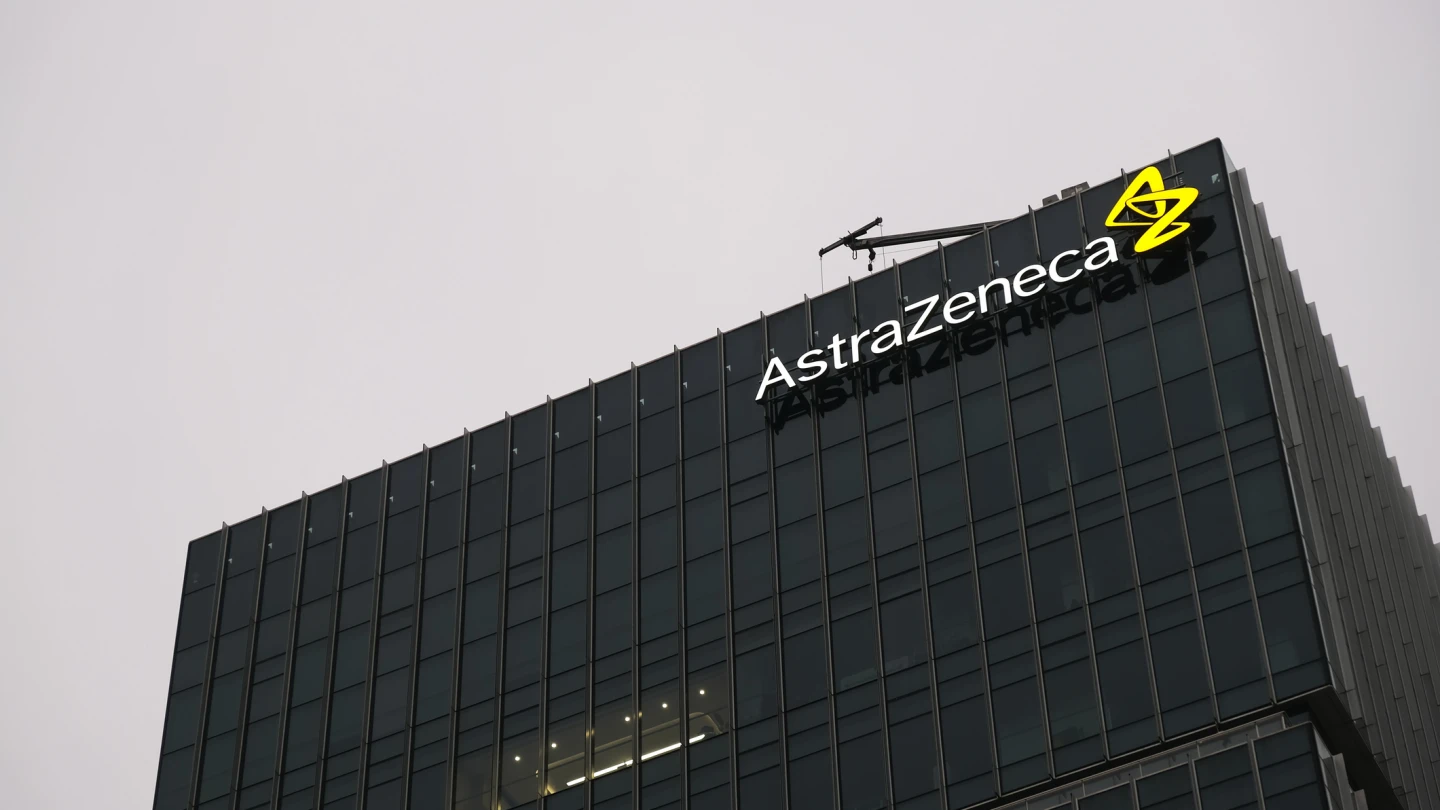
AstraZeneca has risen as one of pharma’s most prolific investors in China, including a $630 million pledge last week for full rights to AbelZeta’s cell therapy for cancer.

Sanofi’s vaccine sales dipped 2.5% in 2025, with almost all immunization products declining. Nevertheless, CEO Paul Hudson doubled down on his support for vaccine development.

Roche aims to become a “top three player” in obesity, Teresa Graham, CEO of the group’s Pharma unit, said Thursday during a presentation of the company’s full-year 2025 earnings.

The Repertoire partnership is Lilly’s second immunology play of the year, after the acquistion of Ventyx in early January for a pipeline of NLRP3 assets.

In this episode of Denatured, Jennifer C. Smith-Parker speaks with RTW’s Rod Wong and Stephanie Sirota how shifting JPM deal timing masks record M&A potential; why oncology, obesity, psychedelics, and neuroscience are attracting fresh capital; and how “alpha stacking” shapes their investment edge in an age of chronic uncertainty. They cover topics discussed in RTW’s new book, “Innovation is the Best Medicine.”