
News

The FDA plans to hold an advisory committee meeting to discuss Capricor Therapeutics’ application for deramiocel, which the agency rejected last July. The news surprised CEO Linda Marbán, who told BioSpace the FDA has not communicated any issues of concern with the company’s resubmitted application.


FEATURED STORIES

Dual and even triple or quadruple track processes have come roaring back in 2026 thanks to a glut of M&A that has refilled investors’ wallets. Big Pharma is being put on notice that time is critical if they want to acquire.

Policymaking at FDA has been anything but business as usual under the Trump administration, but former regulators cite the agency’s new investigational new drug pilot program as a sign of normalcy.

The FDA’s recently altered outlook on the evidence required for approval of rare disease drugs could have immediate benefits for companies including Skyhawk Therapeutics, Capricor Therapeutics and Biohaven.



FROM OUR EDITORS
Read our takes on the biggest stories happening in the industry.

If cell and gene therapy makers are going to achieve their mission to improve patients’ lives, the industry must come together to share information across stakeholders, from regulators to manufacturers to payers.
THE LATEST

As drug candidates discovered via AI move into later-stage clinical trials, the technology seems to be doing as promised: speeding drug development.

Biohaven has suffered a few setbacks in recent months, including an FDA rejection and a missed $150 million benchmark payment, but CEO Vlad Coric looked for the brighter side at JPM, specifically emphasizing a serendipitous discovery that could get the company in the obesity game.

In November, Pfizer was reportedly looking to divest its stake in BioNTech, though the German biotech at the time denied these rumors.
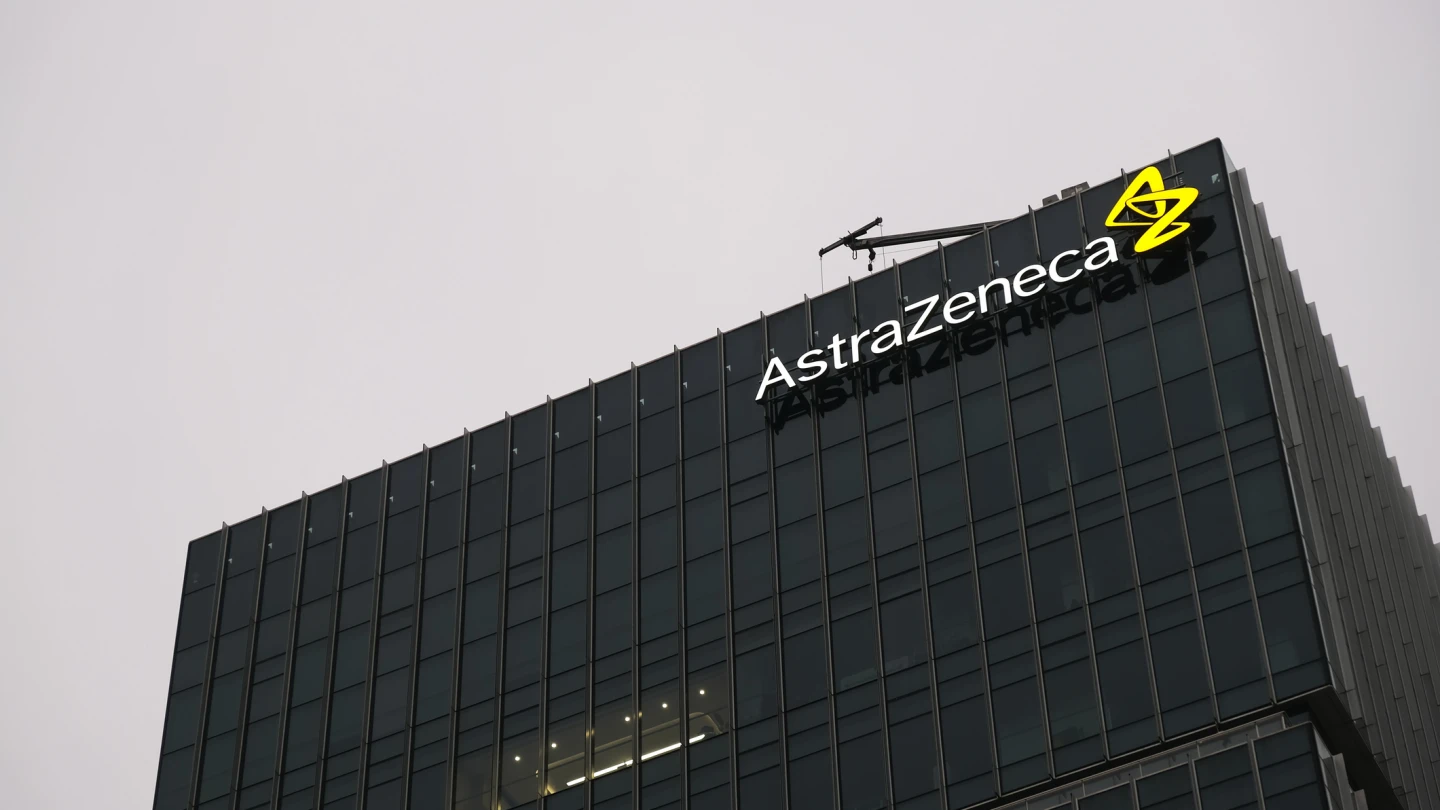
The arrangement will boost AstraZeneca’s cell therapy portfolio as the pharma targets $80 billion in revenue by 2030.

The star of the acquisition, anti-IgE antibody ozureprubart, is being tested as a prophylactic treatment for food allergies, potentially setting up a competition for GSK with Roche’s Xolair.

The companies have an expansive clinical program for the mRNA neoantigen therapy intismeran autogene in combination with immuno-oncology heavyweight Keytruda.

BioSpace has revealed its new 2026 Hotbed Maps, showcasing seven regional life sciences hot spots.

The initiative could tackle the first-mover disadvantage some CDMOs believe deters early customers, but leaders at companies including Novo Nordisk see hurdles to implementing the changes.

Henry Gosebruch, who has $3.5 billion in capital to deploy, is thinking broad as he steers the decades-old biotech out of years of turmoil.

In this bonus episode, BioSpace’s Vice President of Marketing Chantal Dresner and Careers Editor Angela Gabriel take a look at Q4 job market performance and what it signals for 2026.