
News

The FDA plans to hold an advisory committee meeting to discuss Capricor Therapeutics’ application for deramiocel, which the agency rejected last July. The news surprised CEO Linda Marbán, who told BioSpace the FDA has not communicated any issues of concern with the company’s resubmitted application.


FEATURED STORIES

Dual and even triple or quadruple track processes have come roaring back in 2026 thanks to a glut of M&A that has refilled investors’ wallets. Big Pharma is being put on notice that time is critical if they want to acquire.

Policymaking at FDA has been anything but business as usual under the Trump administration, but former regulators cite the agency’s new investigational new drug pilot program as a sign of normalcy.

The FDA’s recently altered outlook on the evidence required for approval of rare disease drugs could have immediate benefits for companies including Skyhawk Therapeutics, Capricor Therapeutics and Biohaven.



FROM OUR EDITORS
Read our takes on the biggest stories happening in the industry.

If cell and gene therapy makers are going to achieve their mission to improve patients’ lives, the industry must come together to share information across stakeholders, from regulators to manufacturers to payers.
THE LATEST

Therapies from industry leaders BioMarin and Ascendis Pharma supply a key hormone that promotes bone growth. In order to move the field forward, challengers are looking to address the underlying cause of the rare, genetic disease.
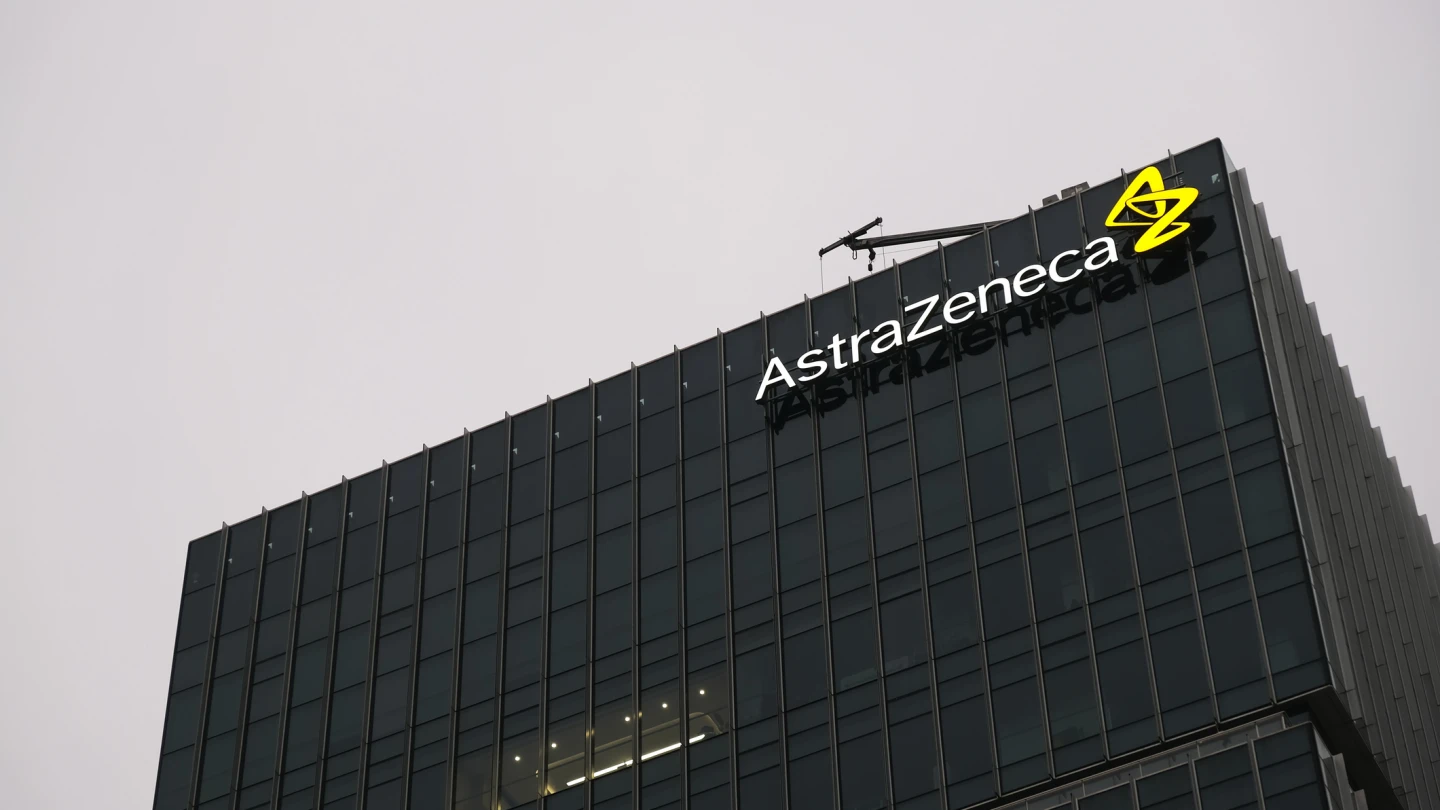
The British pharmaceutical giant has joined the direct-to-consumer push, following Pfizer and Amgen’s announcements in response to the president’s calls to lower U.S. drug prices.

A new version of the controversial bill removes the specific company names that were included in a previous iteration but still requires the industry to ditch Chinese biotech contractors in order to receive federal dollars.

Investor reaction to the deal was muted, with BMO Capital Markets analysts saying they “continue to look for more” from Bristol Myers Squibb before they can “get excited about the near term turnaround story.”

AviadoBio will have the option to exclusively license UGX-202, a vision-restoring gene therapy for the rare eye condition retinitis pigmentosa.

GoodRx, an online platform that offers drug discount coupons to patients, is in talks with the government to participate in the forthcoming TrumpRx program.

The British proposal to increase support for pharma is “clearly positive,” according to analysts at Leerink, who noted that the NHS’ move will improve patient access to treatments.

Novo will add Akero’s efruxifermin to its MASH portfolio, which includes Wegovy after the GLP-1 gained an FDA nod in the indication earlier this year.

The CDC’s Advisory Committee on Immunization Practices was scheduled to convene Oct. 22 to 23, but this meeting has been postponed, with no new date specified. The delay comes as the VA published new research showing that COVID-19 shots prevented hospitalizations and death.

The layoffs are part of the company’s shift to a new structure enabling cost efficiency for its new model.