
News

New data on Hengrui Pharma and Kailera Therapeutics’ investigational oral GLP-1 have validated the late-stage weight loss asset and paved the road for a regulatory submission in China, but analysts pointed to high rates of nausea and vomiting that could challenge the ongoing U.S. study.


FEATURED STORIES

Molecular glue degraders are gaining traction in the clinic as well as funding from Big Pharma, with their potential to treat previously “undruggable” cancers and immunological diseases. Here are five clinical programs worth keeping an eye on.

Last month, the FDA launched TrialBlazer, intended to streamline the IND path and bring early clinical trials and medical innovation home to the U.S. It’s a start, but new agency leadership must see it through.

Significant leadership instability at the FDA—compounded by continued workforce attrition—led to a slight slowdown in overall regulatory productivity in the first half of this year, but the agency has been catching up of late.





FROM OUR EDITORS
Read our takes on the biggest stories happening in the industry.

Congressional letters sent to the CEOs of Eli Lilly, Pfizer, Merck, BMS and AbbVie this week voicing concerns about the pharmas’ clinical trials in China highlight an ongoing discrepancy in how government and industry think about the rise of the Asian country’s biotech industry.
THE LATEST

The Senate failed to pass a massive spending bill on Thursday—which includes the rare pediatric PRV program but also funding for the Immigration and Customs Enforcement’s large-scale crackdown in Minnesota and other states.

New draft guidance from the FDA on multiple myeloma endpoints reflects the new technology available to assess disease and how patient journeys have changed with better treatments.

In a Cabinet meeting, Health Secretary Robert F. Kennedy Jr. said the website could go live “probably in the next 10 days,” but an exact launch date remains unclear.

Moderna will continue to lead clinical development and manufacturing of the asset, while Recordati will handle commercialization of mRNA-3927, which is under development for the rare metabolic disorder propionic acidemia.

The pact, which could see AstraZeneca ultimately put out $18.5 billion in milestones and sales-based payments, is centered on SYH2082, a long-acting dual agonist of the GLP-1 and GIP receptors.

Despite Sanofi CEO Paul Hudson’s confidence in vaccines, the French pharma has cut at least one mRNA flu shot program.

The FDA is currently reviewing Summit’s PD-1/VEGF bispecific as part of a chemotherapy combo for the treatment of locally advanced or metastatic non-squamous non-small cell lung cancer.

After years of contraction, investors see biotech reentering a growth cycle driven by scientific progress, asset quality and renewed conviction in oncology, obesity and neuroscience innovation.

Cancer-focused Eikon Therapeutics is seeking $273.5 million in its bid to trade on the Nasdaq, while hair growth specialist Veradermics is looking for $181.1 million in its foray onto the New York Stock Exchange.
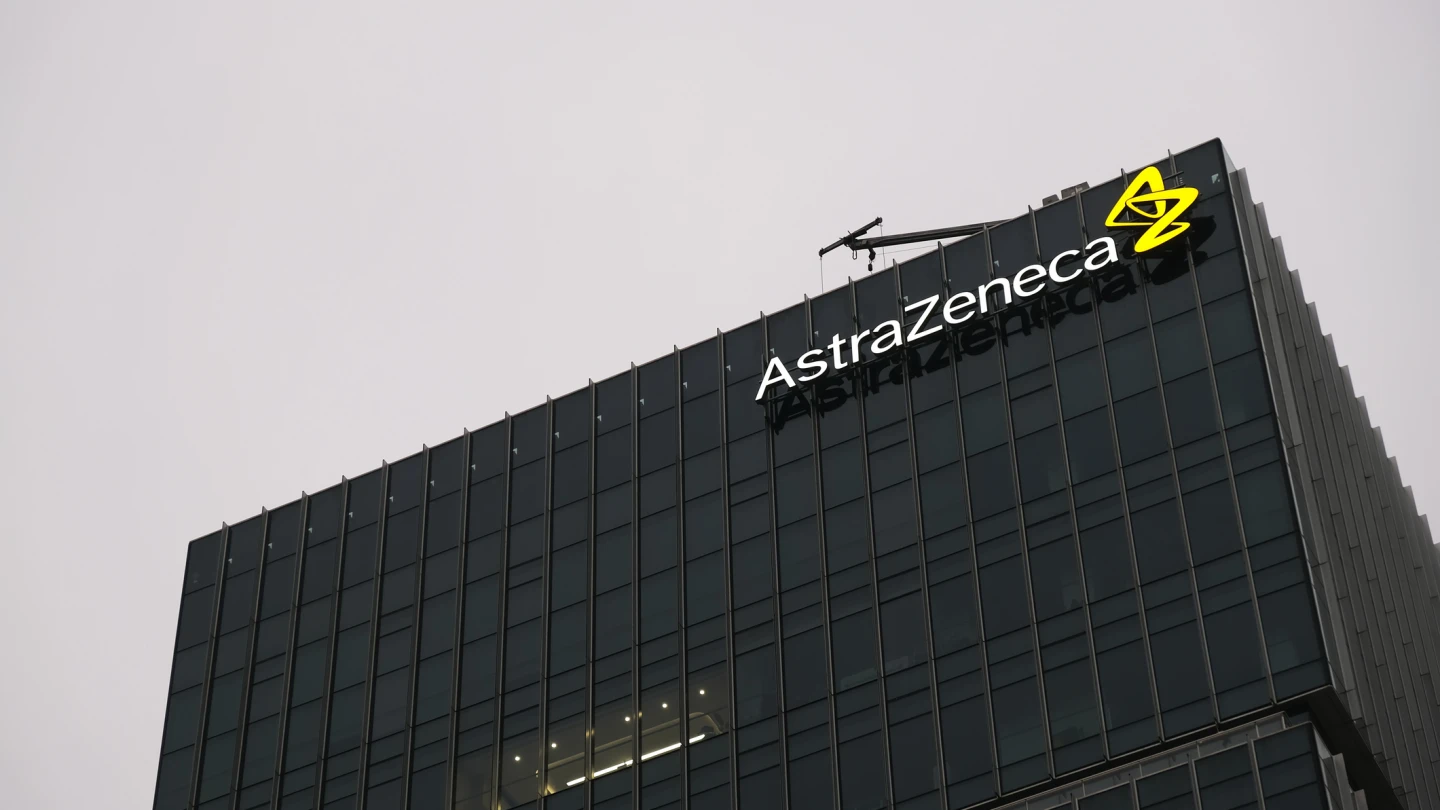
AstraZeneca has risen as one of pharma’s most prolific investors in China, including a $630 million pledge last week for full rights to AbelZeta’s cell therapy for cancer.