
News

Vertex Pharmaceuticals’ acquisition of Crinetics Pharmaceuticals is the largest pickup in the company’s history, according to analysts at BMO Capital Markets.


FEATURED STORIES

Molecular glue degraders are gaining traction in the clinic as well as funding from Big Pharma, with their potential to treat previously “undruggable” cancers and immunological diseases. Here are five clinical programs worth keeping an eye on.

Last month, the FDA launched TrialBlazer, intended to streamline the IND path and bring early clinical trials and medical innovation home to the U.S. It’s a start, but new agency leadership must see it through.

Significant leadership instability at the FDA—compounded by continued workforce attrition—led to a slight slowdown in overall regulatory productivity in the first half of this year, but the agency has been catching up of late.





FROM OUR EDITORS
Read our takes on the biggest stories happening in the industry.

Congressional letters sent to the CEOs of Eli Lilly, Pfizer, Merck, BMS and AbbVie this week voicing concerns about the pharmas’ clinical trials in China highlight an ongoing discrepancy in how government and industry think about the rise of the Asian country’s biotech industry.
THE LATEST

The Eylea franchise was in need of a win after an appellate court last week denied the pharma’s bid to block Amgen’s biosimilar from the U.S.

If confirmed, Susan Monarez will have her work cut out for her, facing a measles outbreak that has already killed two people—the first measles-related deaths in the U.S. since 2015.


The company, launched with help from ex-Novartis executives, is targeting glutamate signaling in the brain to help treat alcohol- and cocaine-use disorders, among other indications.

Novo will license UTB251, a triple hormone receptor agonist that in mid-2023 achieved 24% weight reduction at 48 weeks in a mid-stage study.
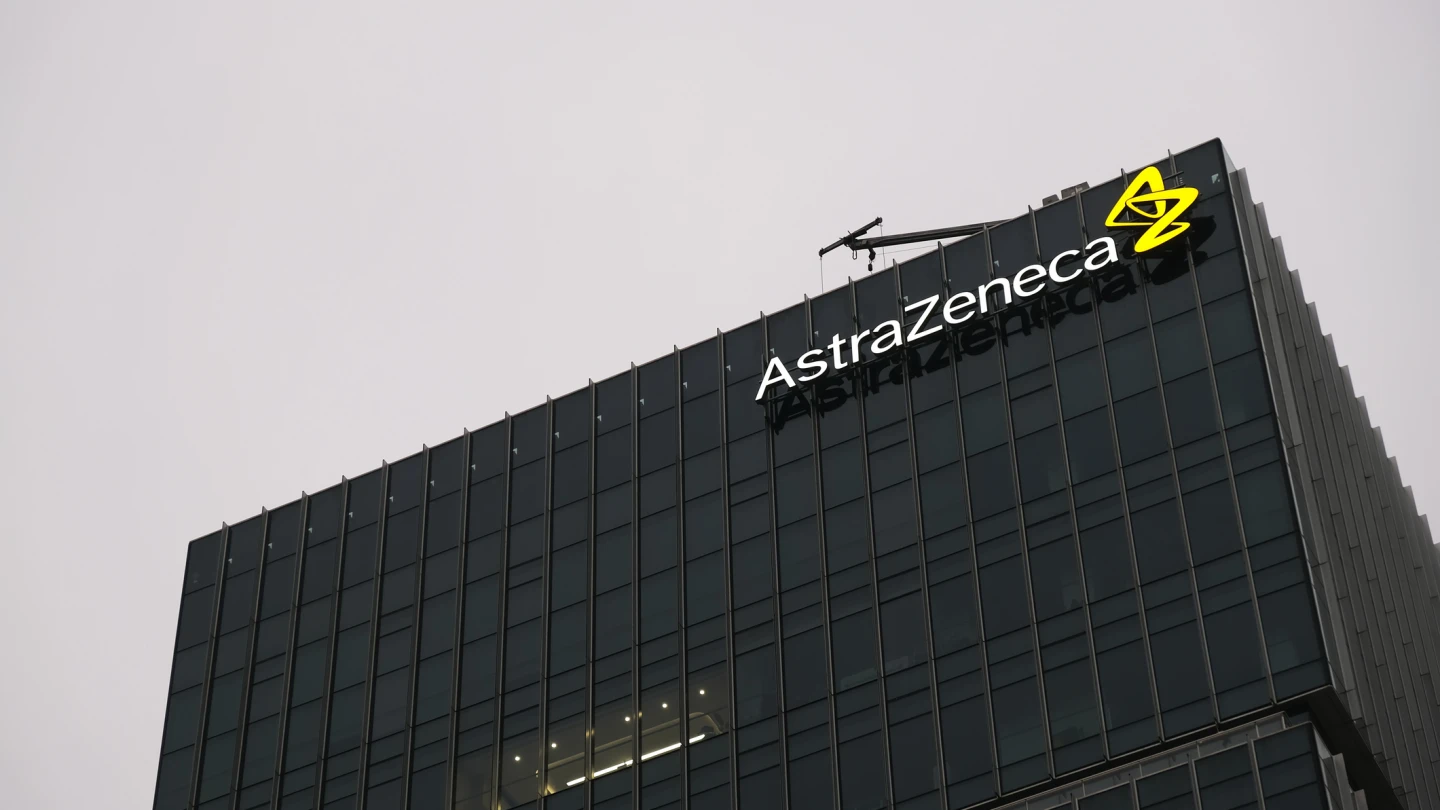
The investments come amid an ongoing insurance fraud probe into AstraZeneca’s former China head Leon Wang—and despite mounting pressure from President Trump for pharma companies to re-shore their manufacturing operations.

AbbVie claims that Genmab turned a blind eye to trade secret theft allegedly used to support the development of ProfoundBio’s investigational antibody-drug conjugates. Genmab acquired ProfoundBio in May 2024.

In attempt to keep R&D costs low, the vivarium business model has emerged as a crucial solution for drug developers.

It’s early days for xenotransplantation, but eGenesis, Eledon, United Therapeutics and more are working to develop solutions to make this approach a viable option and help ease the organ shortage crisis.

Since 2016, the FDA has approved three disease-modifying treatments for spinal muscular atrophy, with several companies—including Novartis, Scholar Rock and Biogen—progressing novel candidates through clinical trials.