
News

The company plans to divest a drug it has made for 40 years, citing increasing production costs and falling prices.


FEATURED STORIES

Corsera Health’s Chief Operating Officer Rena Denoncourt and CFO Meredith Kaya speak with BioSpace about the biotech’s mission and vision for the next generation of cardiovascular care.

Billions of dollars’ worth of cancer drugs are discarded each year. Manufacturers must refund Medicare for some of this waste. A data-driven approach offers a practical path to greater efficiency.

Sales of Merck’s longtime oncology blockbuster Keytruda will erode more starkly in about 2033 rather than 2029, predicts Bloomberg Intelligence, translating to some $22 billion more in revenue.





FROM OUR EDITORS
Read our takes on the biggest stories happening in the industry.

Following the FDA’s refusal to review Moderna’s investigational mRNA flu vaccine last week, Commissioner Marty Makary faced questions from the U.S. president about the agency’s handling of vaccines. It’s a clear signal that the tension long brewing at the drug regulator has now gone all the way to the top.
THE LATEST

Sarepta’s Elevidys is back on the market for ambulatory patients with Duchenne muscular dystrophy, Health Secretary Robert F. Kennedy Jr. reportedly plans to dissolve the U.S. Preventive Services Task Force and “fix” the vaccine injury compensation program, Merck, AstraZeneca and more report Q2 earnings, Novo names a new leader and Roche’s trontinemab impresses at AAIC25.

CEO Emma Walmsley maintained that continued investment in the U.S. is a priority for the pharma to ensure its medicines for the country are supplied domestically.

Against steep odds and well-established paradigms, these four companies have successfully been commercializing their products on their own.

Though nerves abound for funders and founders in the industry, money continues to flow into startups, sometimes in eye-popping numbers. BioSpace rounds up the biggest raises so far this year.

Under the Inflation Reduction Act, medications with the same active ingredient will be treated as the same drug for price negotiation purposes—even if approved by the FDA under a separate application—disincentivizing companies from investing time and money in gaining approval for new formulations and indications.

The FDA’s dramatic summer continues to unfold as news broke late Tuesday evening that Vinay Prasad will depart the agency, where he had been the head of the Center for Biologics Evaluation and Research for less than three months.
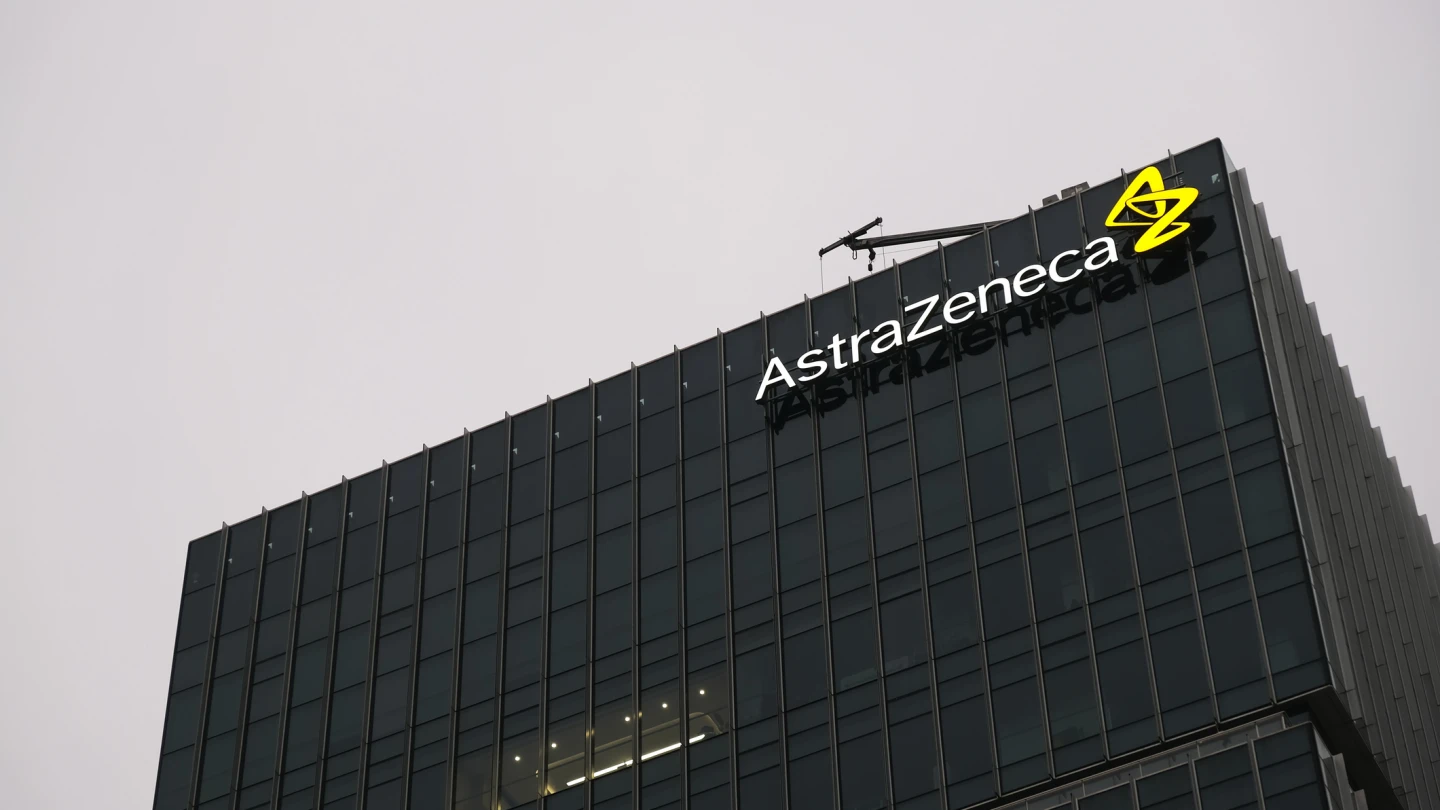
Pascal Soriot’s comments came during AstraZeneca’s Q2 earnings call in regard to President Donald Trump’s newly announced European pharma tariffs. The company also announced estimate-beating earnings, with its cancer portfolio driving earnings despite clinical roadblocks.

CEO Rob Davis referred to the cost reduction program as a ‘reallocation’ rather than a cut, with the savings to be reinvested to support up to 20 new product launches.

In a surprise double announcement Tuesday, Novo reduced sales guidance by 5%—attributing the change to slowed growth of its semaglutide franchise in the U.S.—and named current international operations head Maziar Mike Doustdar as its new president and CEO.

Six weeks after HHS Secretary RFK Jr. cited unexplained conflicts of interest in dismissing all 17 members of the CDC’s vaccine advisory committee, Democrats are asking for details.